


Introduction: Why ESG Matters in Today’s Textile Industry
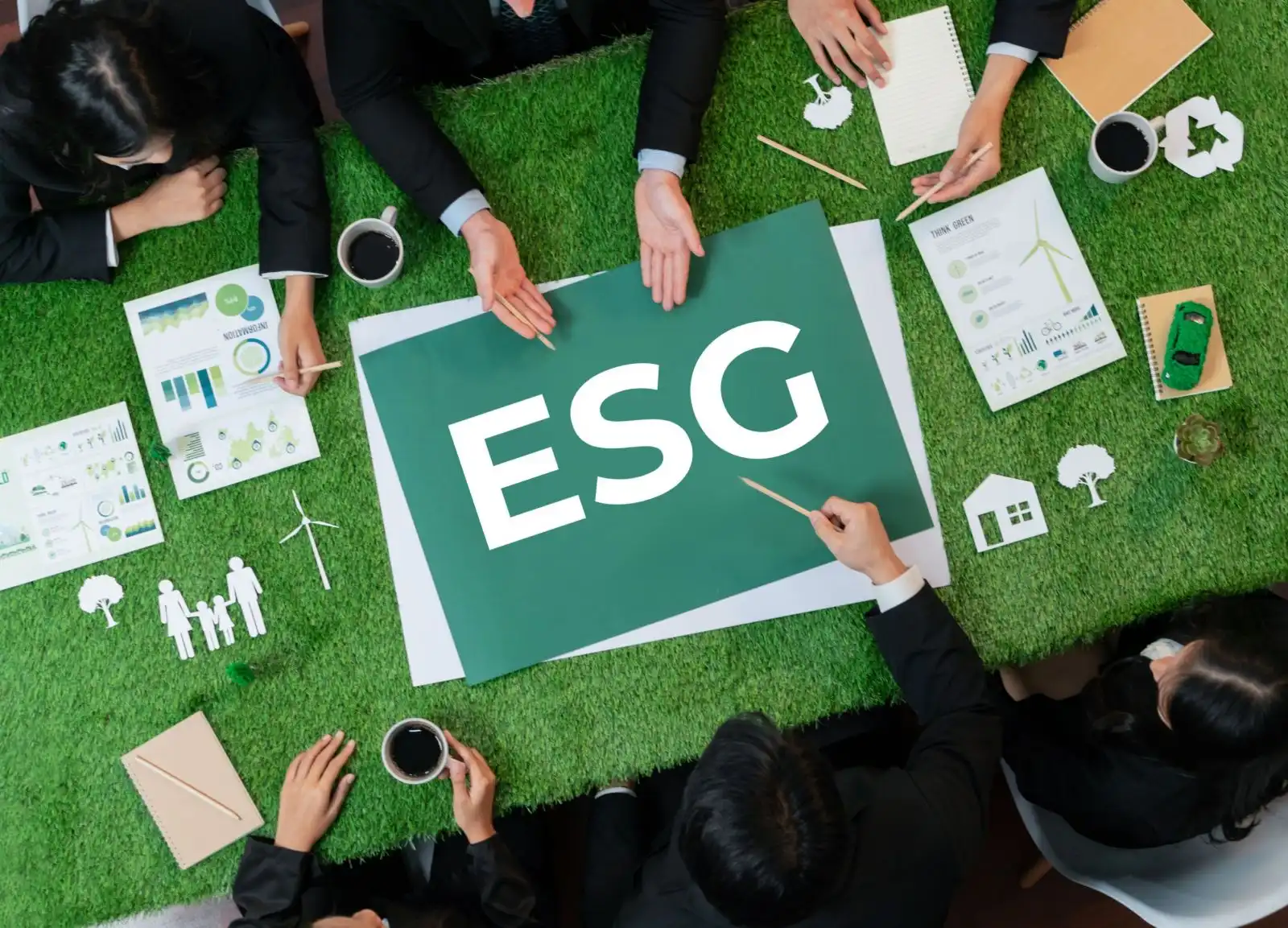
If you’re sourcing textiles for your brand in 2025 and beyond, three letters are reshaping every conversation: ESG.
Environmental, Social, and Governance principles aren’t just buzzwords anymore. They’re becoming mandatory requirements from regulators, expected standards from investors, and deal-breakers for consumers, especially younger generations who research brands before buying.
For corporate buyers, procurement managers, and fashion brands, understanding the ESG textile supply chain isn’t optional. It’s essential for accessing premium markets, maintaining brand reputation, attracting investors, and simply staying compliant with evolving regulations in Europe, North America, and Asia.
But here’s the challenge: textile supply chains are notoriously complex. A single garment might involve cotton from Pakistan, yarn spun in Bangladesh, fabric woven in Vietnam, and final assembly in China before reaching shelves in London or New York. Each stage carries environmental impacts, social responsibilities, and governance requirements that brands must understand and manage.
This comprehensive guide explains exactly what the ESG textile supply chain means, why it matters for your business, what compliance looks like in practice, and how you can implement sustainable sourcing strategies that meet both regulatory requirements and corporate responsibility goals.
What is ESG in the Textile Supply Chain?
ESG stands for Environmental, Social, and Governance, three interconnected pillars that define responsible business practices throughout textile production and distribution.
The Three Pillars Explained
Environmental (E): How textile manufacturers manage natural resources, reduce greenhouse gas emissions, minimize water consumption, handle waste, and address their overall ecological footprint.
Social (S): Fair labor practices, worker safety, ethical treatment, living wages, collective bargaining rights, and transparency in working conditions throughout the supply chain.
Governance (G): Transparent decision-making, ethical management, strong leadership, compliance systems, stakeholder accountability, and clear responsibility structures.
Why These Three Pillars Matter Together
You can’t cherry-pick ESG compliance. A textile manufacturer might install solar panels (environmental win) but exploit workers with poverty wages (social failure). Or achieve excellent labor standards but dump toxic dye wastewater untreated (environmental disaster).
True ESG textile supply chain compliance requires simultaneous attention to all three pillars, creating sustainable business models that balance profitability with responsibility.
The Environmental Challenge in Textile Supply Chains
The textile industry contributes approximately 8-10% of global carbon emissions, more than all international flights and maritime shipping combined. Understanding the environmental dimension is crucial for any corporate buyer focused on ESG goals.
Key Environmental Issues
Water Consumption: Textile production uses massive water volumes. A single cotton t-shirt requires approximately 2,700 liters of water to produce, enough drinking water for one person for 900 days. Dyeing and finishing processes consume even more.
Chemical Pollution: Wet processing introduces harmful chemicals into ecosystems. The textile industry accounts for roughly 20% of global industrial water pollution. Many conventional dyes contain heavy metals and carcinogenic compounds.
Carbon Emissions: From cotton farming through manufacturing, transportation, and eventual disposal, textiles generate substantial greenhouse gases. Scope 3 emissions (supply chain activities) can represent up to 90% of a fashion brand’s total carbon footprint.
Waste Generation: The EU alone produces 12.6 million tonnes of textile waste annually. Much ends up in landfills or is incinerated, releasing more emissions and losing valuable materials.
Microplastic Pollution: Synthetic textiles shed microplastic fibers during washing, entering water systems and ultimately oceans, where they persist for centuries and enter food chains.
ESG Compliance Requirements – Environmental
Corporate buyers implementing ESG textile supply chain standards should verify suppliers on:
- Carbon emission measurement and reduction targets
- Water recycling and treatment systems
- Chemical management protocols (ZDHC Roadmap to Zero compliance)
- Waste reduction and circular economy initiatives
- Use of sustainable materials (organic cotton, recycled fibers, etc.)
- Renewable energy adoption in facilities
- Third-party environmental audits and certifications
Soft CTA: Wondering how to verify these environmental standards in your current suppliers? Download our free ESG Supplier Assessment Checklist to get started with practical evaluation criteria.
The Social Dimension: Fair Labor and Ethical Treatment
The textile industry employs a significant global workforce, predominantly women and low-skilled workers in developing countries. Social responsibility addresses power imbalances and secures fair labor standards.
Critical Social Issues in Textile Supply Chains
Living Wages: Many textile workers earn below living wage thresholds, struggling to afford basic necessities despite working long hours. Fair wage verification goes beyond minimum legal wages to ensure workers can actually live decently.
Worker Safety: The 2013 Rana Plaza collapse in Bangladesh killed over 1,100 garment workers, spotlighting dangerous working conditions. Safe buildings, fire exits, proper equipment, and emergency protocols remain ongoing concerns.
Child Labor: Despite prohibitions, child labor persists in some textile production regions, particularly in cotton harvesting and informal garment workshops.
Forced Labor and Modern Slavery: Disturbing reports link some textile supply chains to forced labor, particularly concerning cotton from certain regions. Supply chain transparency helps identify and eliminate these practices.
Gender Equality: The textile workforce is predominantly female, yet women face wage gaps, limited advancement opportunities, and harassment. Social ESG compliance demands gender equity initiatives.
Working Hours: Excessive overtime, particularly during peak seasons, exploits workers. Responsible brands monitor actual working hours versus contractual agreements.
ESG Social Compliance Standards
Corporate buyers should evaluate suppliers on:
- Living wage payment verification (not just minimum wage)
- Worker safety audits and building certifications
- Child labor monitoring and age verification systems
- Freedom of association and collective bargaining rights
- Anti-discrimination and harassment policies
- Transparent grievance mechanisms for workers
- Third-party social audits (SA8000, WRAP, Fair Trade)
Governance: The Framework That Makes ESG Work
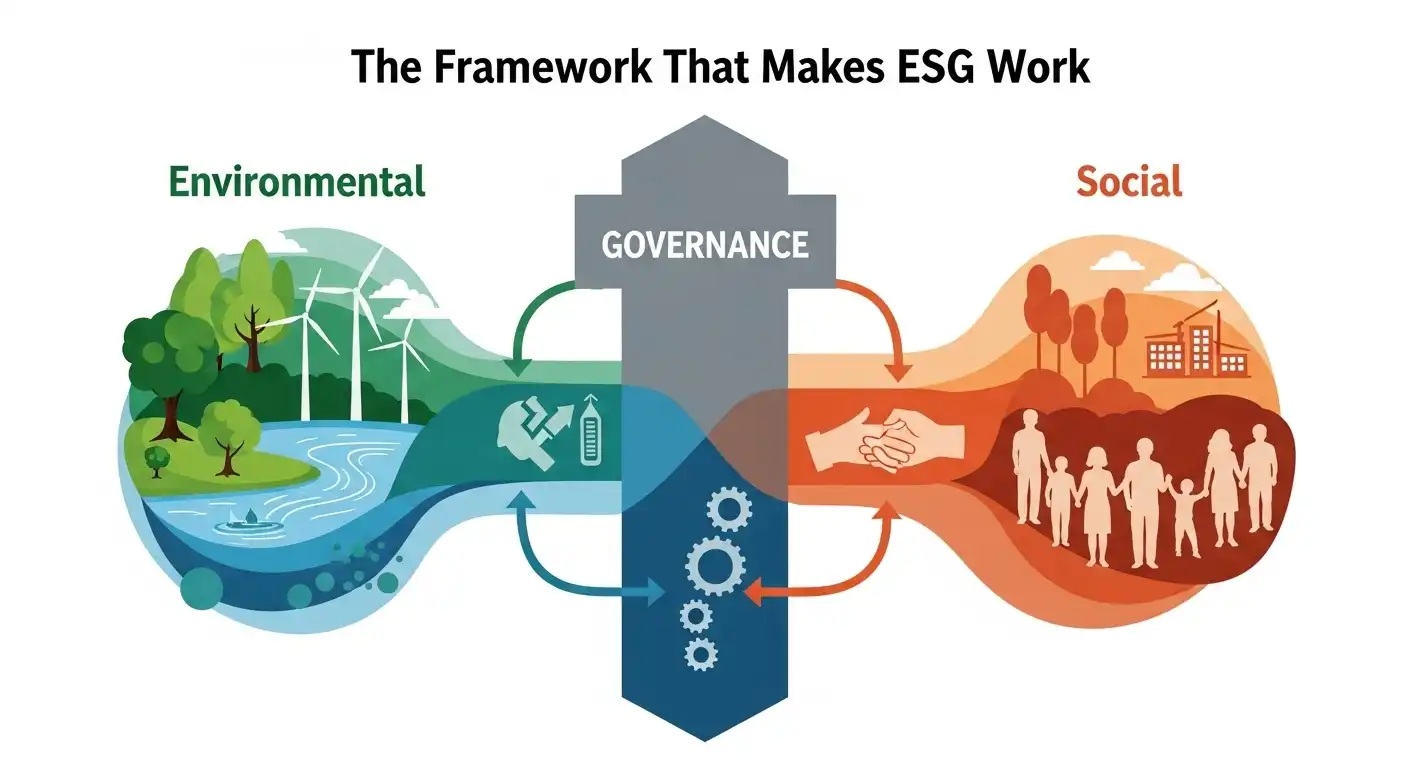
Governance is often the overlooked pillar, yet it’s what makes environmental and social commitments actually happen and stay accountable.
What Governance Means in Textile Supply Chains
Transparent Decision-Making: Clear processes for how sustainability decisions are made, who’s responsible, and how progress is monitored.
Ethical Management: Leadership committed to ESG principles beyond just compliance, embedding sustainability in company culture and strategy.
Accountability Systems: Mechanisms ensuring that commitments translate to actions, with consequences for failures and recognition for achievements.
Stakeholder Engagement: Regular communication with workers, communities, suppliers, customers, investors, and regulators about ESG performance.
Supply Chain Visibility: Technology and processes enabling traceability, knowing exactly where materials come from and under what conditions they were produced.
Governance Red Flags
Weak governance often manifests as:
- Sustainability reports without verifiable data
- Certifications displayed but never audited or expired
- No clear ESG responsibility assigned within the organization
- Resistance to transparency or third-party verification
- Frequent “greenwashing” accusations
- High supplier turnover hides problems rather than solves them
Strong Governance Indicators
Look for:
- Board-level ESG oversight and accountability
- Published sustainability targets with progress tracking
- Third-party verified reporting (GRI, CDP, SASB frameworks)
- Investment in ESG management systems and training
- Transparent supply chain mapping
- Regular stakeholder consultation
- Clear whistleblower protection and grievance processes
Mid CTA: Ready to evaluate your supply chain partners on ESG governance? Our team at Vigour Impex can walk you through our comprehensive ESG management systems and third-party certifications. Contact us for a consultation.
ESG Regulations Reshaping Textile Supply Chains
Understanding ESG isn’t just about corporate responsibility anymore; it’s about legal compliance with rapidly evolving global regulations.
European Union Requirements
Corporate Sustainability Due Diligence Directive (CSDDD): Requires companies to identify, prevent, and mitigate human rights and environmental risks throughout value chains. EU importers must demand evidence from textile suppliers regarding impact assessments, policies, and remedial actions.
Corporate Sustainability Reporting Directive (CSRD): Mandates businesses of all sizes to report environmental and social activities, subject to audits. This dramatically expands which companies must disclose ESG performance.
EU Strategy for Sustainable and Circular Textiles: Comprehensive policy framework addressing Extended Producer Responsibility (EPR), eco-design requirements, and textile waste reduction targets.
Deforestation Regulation: Requires proof that products don’t contribute to deforestation, relevant for textiles containing viscose, rayon, or modal derived from trees.
United States Initiatives
Fashion Sustainability and Social Accountability Act: Proposed legislation requiring larger fashion companies to map supply chains and address environmental and social impacts.
Uyghur Forced Labor Prevention Act: Presumes goods from the Xinjiang region involve forced labor unless proven otherwise, directly impacting cotton sourcing decisions.
California Transparency in Supply Chains Act: Requires disclosure of efforts to eradicate slavery and human trafficking from supply chains.
Asian Market Requirements
China: Increasingly enforcing environmental regulations, closing non-compliant facilities, and requiring emission reductions.
Bangladesh: Following Rana Plaza, it implemented the Accord on Fire and Building Safety and national labor laws requiring safer working conditions.
Vietnam: As textile exports grow, implementing ESG requirements to access premium markets and meet international buyer demands.
The Compliance Timeline
These aren’t distant future requirements. Many are already in effect or coming in 2025-2027. Corporate buyers must ensure suppliers can demonstrate compliance now or risk:
- Inability to sell in regulated markets
- Customs rejection at borders
- Legal liability for supply chain violations
- Reputational damage and brand boycotts
- Loss of investor confidence
Key Certifications and Standards for ESG Textile Compliance
Navigating ESG requires understanding which certifications actually matter and what they verify.
Environmental Certifications
GOTS (Global Organic Textile Standard): The gold standard for organic textiles. Verifies organic content, prohibits harmful chemicals, mandates environmental processing, and includes social criteria. Covers the entire supply chain from harvesting through manufacturing.
OEKO-TEX Standard 100: Tests for harmful substances in textiles. Prove products are free from chemicals dangerous to human health. Widely recognized by retailers and consumers.
Cradle to Cradle Certified: Evaluates products across five categories: material health, material reutilization, renewable energy, water stewardship, and social fairness.
Bluesign: System standard for sustainable textile production, eliminating harmful substances and setting standards for resource productivity.
GRS (Global Recycled Standard): Verifies recycled content and tracks materials through supply chain, ensuring social, environmental, and chemical compliance.
Social Certifications
Fair Trade Certified: Ensures fair wages, safe working conditions, and community development programs. Particularly relevant for cotton and other raw materials.
SA8000: Based on ILO conventions and human rights declarations. Covers child labour, forced labor, health and safety, collective bargaining, discrimination, discipline, working hours, and compensation.
WRAP (Worldwide Responsible Accredited Production): Focuses on lawful, humane, and ethical manufacturing. Twelve principles covering labour practices, workplace conditions, and environmental compliance.
Better Cotton Initiative (BCI): Promotes better standards in cotton farming and practices. Not organic, but it reduces environmental impact and improves working conditions.
Comprehensive ESG Frameworks
Higg Index: A Suite of tools measuring environmental and social impacts. Higg FEM (Facility Environmental Module) and Higg FSLM (Facility Social & Labour Module) provide standardized assessments.
Fashion Transparency Index: Evaluates and ranks major fashion brands on supply chain transparency. The average transparency score is only 26%, indicating massive room for improvement.
GRI (Global Reporting Initiative): Developing textile-specific sustainability reporting standard to enhance accountability across the fashion value chain.
Implementing ESG Textile Supply Chain in Your Business
Understanding ESG theory matters, but implementation drives results. Here’s how corporate buyers can actually build ESG-compliant textile sourcing.
Step 1: Map Your Supply Chain
You cannot manage what you don’t measure or see.
Tier 1 visibility (finished goods manufacturers) is relatively easy; you directly contract with them. But Tier 2, 3, and 4 (fabric mills, yarn spinners, fiber producers, raw material farms) require deliberate effort to trace.
Action items:
- Require suppliers to disclose their suppliers
- Use technology platforms for supply chain mapping
- Implement traceability systems (blockchain, QR codes, digital ledgers)
- Visit facilities to verify claimed relationships
- Request certifications from each tier
Step 2: Assess Current State
Conduct baseline ESG assessments of your supply chain using:
- Third-party audits (environmental and social)
- Self-assessment questionnaires (with verification)
- Certification reviews
- Worker interviews and surveys
- Environmental impact measurements
- Governance structure evaluation
Identify gaps between the current state and the target ESG standards.
Step 3: Set Clear ESG Targets
Establish specific, measurable, achievable, relevant, and time-bound (SMART) goals:
- “Reduce supply chain carbon emissions by 30% by 2030.”
- “Ensure 100% Tier 1 suppliers pay living wages by 2026.”
- “Source 50% of cotton from organic or BCI certified sources by 2027”
- “Achieve complete supply chain traceability to raw material by 2028.”
- “Zero discharge of hazardous chemicals across all facilities by 2029”
Step 4: Engage and Support Suppliers
ESG transformation requires collaboration, not just compliance demands.
Support strategies:
- Provide training on ESG requirements and best practices
- Share costs of certification processes
- Offer longer-term contracts justifying supplier ESG investments
- Connect suppliers with financing for sustainability upgrades
- Create joint improvement plans with clear milestones
- Recognize and reward ESG leaders publicly
Step 5: Implement Monitoring and Verification
Continuous monitoring ensures sustained compliance:
- Regular third-party audits (announced and unannounced)
- Real-time data collection through digital platforms
- Worker feedback mechanisms (hotlines, surveys, interviews)
- Environmental monitoring (emissions, water quality, waste)
- Certification maintenance and renewal tracking
- Transparent reporting against targets
Step 6: Report Transparently
Build trust through honest communication:
- Publish annual sustainability reports following GRI or similar frameworks
- Disclose supply chain map (at least Tier 1, ideally deeper)
- Report both achievements and challenges openly
- Submit to third-party ratings (CDP, EcoVadis, Fashion Transparency Index)
- Engage stakeholders in dialogue about progress
- Set next-level targets as previous ones are achieved
Step 7: Continuous Improvement
ESG isn’t a destination, it’s an ongoing journey:
- Stay updated on evolving regulations and standards
- Learn from industry best practices and innovations
- Invest in new technologies that enable better ESG performance
- Expand scope (if tracking Tier 1, move to Tier 2)
- Raise ambition levels (if achieving 30% reduction, target 50%)
- Share learnings with industry to drive collective progress
Benefits of ESG Textile Supply Chain Beyond Compliance
While regulatory compliance drives much ESG adoption, the benefits extend far beyond avoiding penalties.
Market Access and Competitive Advantage
66% of global consumers say they’re willing to pay more for sustainable apparel brands. ESG compliance opens doors to:
- Premium markets (Europe, North America) with sustainability requirements
- Major retailers are demanding certified suppliers
- Government procurement contracts with ESG criteria
- Conscious consumers actively seeking ethical brands
Risk Mitigation
ESG management reduces:
- Legal risk: Compliance with current and anticipated regulations
- Reputational risk: Avoiding scandals that damage brand value
- Operational risk: Better-managed supply chains face fewer disruptions
- Financial risk: ESG leaders show better long-term financial performance
Investor Attraction
The investment community increasingly integrates ESG into decisions. Strong ESG performance attracts:
- ESG-focused investment funds (trillions in assets under management)
- Lower cost of capital (better ESG ratings correlate with better lending terms)
- Long-term institutional investors valuing sustainability
- Enhanced company valuation (ESG leaders trade at premium multiples)
Operational Efficiency
ESG initiatives often drive cost savings:
- Energy efficiency reduces utility bills
- Water recycling lowers consumption costs
- Waste reduction minimizes disposal expenses
- Better worker conditions improve productivity and reduce turnover
- Renewable energy provides price stability vs. volatile fossil fuels
Innovation and Future-Proofing
ESG focus drives innovation in:
- Sustainable materials (bio-based fibers, recycled content)
- Circular business models (rental, resale, recycling)
- Production technologies (waterless dyeing, 3D knitting)
- Digital solutions (blockchain traceability, AI optimization)
Companies leading ESG innovation position themselves for future market shifts rather than scrambling to catch up later.
Challenges in Achieving ESG Textile Supply Chain
Honest discussion requires acknowledging the obstacles corporate buyers face in implementing ESG principles.
Supply Chain Complexity
Textile supply chains involve multiple countries, dozens of facilities, and hundreds of workers across various tiers. Achieving visibility and control over each stage is genuinely difficult and expensive.
Cost Implications
ESG compliance costs money, certifications, audits, technology systems, supplier support, and sometimes higher production costs from ethical suppliers. Budget-constrained procurement teams face real tension between ESG goals and cost targets.
Supplier Resistance
Not all suppliers embrace ESG willingly. Some view it as a Western imposition, an additional burden without compensation, or a threat to their business models. Building supplier buy-in requires patience and partnership.
Data and Verification Challenges
Collecting accurate, verifiable ESG data across complex supply chains is difficult. Self-reported information may be incomplete or exaggerated. Third-party verification is expensive and can’t cover everything.
Greenwashing Risks
The pressure to demonstrate ESG progress tempts some brands to exaggerate achievements or hide problems, “greenwashing” that ultimately damages credibility when exposed.
Balancing Trade-Offs
Sometimes ESG priorities conflict: local sourcing (social benefit) vs. renewable energy availability (environmental benefit) vs. cost competitiveness (economic viability). Finding optimal balances requires nuanced decision-making.
Keeping Pace with Evolving Standards
ESG requirements constantly evolve, with new regulations, higher stakeholder expectations, better technologies, and deeper impact understanding. What’s adequate today may be insufficient tomorrow.
How to Choose ESG-Compliant Textile Suppliers
For corporate buyers, supplier selection is where ESG principles meet practical sourcing decisions.
Essential Questions to Ask Prospective Suppliers
Environmental:
- What certifications do you hold? (GOTS, OEKO-TEX, Bluesign, etc.)
- How do you measure and track carbon emissions?
- What percentage of energy comes from renewable sources?
- How is wastewater treated before discharge?
- What’s your textile waste recycling rate?
- Which chemicals are prohibited in your processes?
Social:
- How do you verify workers are paid living wages, not just minimum wages?
- What worker safety systems are in place?
- How do you prevent child labor and forced labor?
- Can workers organize and bargain collectively?
- What grievance mechanisms exist for workers to report issues?
- How often do you conduct social audits, and by whom?
Governance:
- Who in your organization is responsible for ESG performance?
- How is ESG integrated into business strategy and decision-making?
- Can you provide transparent supply chain mapping?
- How do you train staff on ESG principles?
- What happens when ESG violations are discovered?
- How do you engage stakeholders in ESG discussions?
Red Flags to Watch For
- Reluctance to share information or provide facility access
- Expired or unverifiable certifications
- Major discrepancies between claims and third-party audit findings
- History of serious violations with no demonstrated corrective action
- Lack of clear ESG responsibility or knowledge within the organization
- Pressure to accept poor practices in exchange for lower pricing
Green Flags Indicating Strong ESG Partners
- Proactive ESG communication and transparency
- Investment in sustainability infrastructure (renewable energy, water treatment, etc.)
- Worker voice is evident in facility visits and interviews
- Continuous improvement trajectory, not static compliance
- Industry leadership and sharing of best practices
- Long-term thinking and strategic ESG integration
- Willingness to collaborate on improvement plans
Looking for ESG-Compliant Textile Suppliers You Can Trust?
At Vigour Impex, we invest in verified sustainability and ethical manufacturing. With GOTS certification, OEKO-TEX compliance, renewable energy systems, and a fully transparent supply chain, we support brands committed to real ESG performance.
The Future of ESG in Textile Supply Chains
Looking ahead, several trends will shape how ESG evolves in textile sourcing:
Increasing Regulation
More countries will implement mandatory ESG disclosure and due diligence requirements. Voluntary initiatives will give way to legal obligations with real penalties for non-compliance.
Technology-Enabled Transparency
Blockchain, AI, IoT sensors, and satellite monitoring will make supply chain transparency more achievable and affordable, reducing information asymmetry and verification costs.
Scope Expansion
ESG focus will extend beyond Tier 1 to encompass the entire supply chains, including raw material sourcing, packaging, transportation, retail operations, and post-consumer lifecycle.
Circular Economy Integration
Linear “take-make-dispose” models will yield to circular approaches emphasizing durability, repair, resale, rental, and recycling, fundamentally reshaping textile business models.
Climate Action Intensity
Carbon reduction will intensify with stricter targets, carbon pricing mechanisms, and customer preference for low-carbon products, driving procurement decisions.
Stakeholder Power
Workers, communities, NGOs, and activist investors will gain more influence over corporate ESG behavior through collective action, social media, and regulatory empowerment.
Conclusion: ESG as a Strategic Imperative
ESG textile supply chain compliance is no longer a nice-to-have differentiator or purely reputational consideration. It’s becoming mandatory for market access, required by regulations, demanded by investors, and expected by conscious consumers.
For corporate buyers and procurement teams, the question isn’t whether to prioritize ESG; it’s how quickly and effectively you can implement sustainable sourcing strategies that balance responsibility with business viability.
The good news? ESG done right creates business value, not just a compliance burden. Better supplier relationships, operational efficiencies, risk mitigation, market differentiation, and future-proofing all flow from genuine ESG commitment.
The journey requires investment in certifications, systems, supplier partnerships, and ongoing monitoring. But the alternative, being locked out of markets, facing legal liability, suffering reputational damage, or losing investor confidence, carries far higher costs.
The textile industry stands at a transformation point. Brands embracing ESG principles now will lead the sustainable fashion future. Those treating it as a paperwork exercise or resisting change will find themselves increasingly marginalized.
Where does your organization stand? If you’re ready to move beyond awareness to action, partnering with ESG-committed suppliers accelerates your journey significantly.
Partner With ESG-Leading Textile Manufacturers
At Vigour Impex, we understand that corporate buyers need more than supplier claims; you need verified, transparent, and continuously improving ESG performance throughout textile supply chains.
Our ESG Commitments in Action:
Environmental Leadership: ✓ GOTS Certified organic cotton processing with full traceability
✓ Renewable energy covering 40% of facility power needs through solar installation
✓ Water recycling systems reduce consumption by 35%
✓ OEKO-TEX Standard 100 compliance, ensuring chemical safety
✓ Zero discharge of hazardous chemicals (ZDHC) roadmap implementation
✓ Waste reduction programs witha 60% recycling rate
Social Responsibility:
✓ Living wage verification through third-party audits
✓ SA8000 social accountability certification
✓ Worker safety programs with regular training and drills
✓ Gender equality initiatives promoting women in leadership
✓ Grievance mechanisms enabling confidential worker feedback
✓ No child labor or forced labor verified through rigorous age and recruitment checks
Strong Governance: ✓ Board-level ESG oversight with dedicated sustainability officer
✓ Transparent supply chain mapping available to partners
✓ Annual sustainability reporting following the GRI frameworks
✓ Third-party audits (environmental and social) are conducted regularly
✓ Stakeholder engagement, including worker committees and community consultation
✓ Continuous improvement targets with measurable progress tracking
Why Corporate Buyers Choose Vigour Impex:
Compliance Confidence
Our comprehensive certifications and third-party verifications mean you can confidently report that our supply chain meets ESG standards required by EU regulations, investor mandates, and corporate policies.
Transparent Reporting
We provide detailed ESG performance data, audit reports, and impact metrics. No greenwashing, just verifiable information you can use in your own sustainability disclosures.
Partnership Approach
We don’t just manufacture textiles; we collaborate on your ESG journey. Need specific certifications for your market? Working toward particular targets? We align our capabilities with your goals.
Innovation Focus
From organic materials to waterless dyeing technologies to blockchain traceability pilots, we Complete Product Range
Whether you need certified organic yarn, sustainable fabrics, or finished home textiles and garments, we offer ESG-compliant products across categories under one roof.
What You’ll Receive When You Contact Us:
ESG Performance Report – Complete overview of our environmental, social, and governance metrics with third-party audit summaries
Certification Package – Valid copies of GOTS, OEKO-TEX, SA8000, and other relevant certifications
Supply Chain Map – Transparent view of our suppliers and material sourcing
Capability Consultation – Discussion of your specific ESG requirements and how we can meet them
Sample Products – Physical samples of our certified sustainable textiles
Facility Tour – Virtual or in-person visit to see our ESG investments and practices
No pressure. Just a professional conversation about whether our ESG credentials align with your corporate responsibility goals.
The textile industry’s sustainable future is being built now. Companies that invest in genuine ESG practices, like Vigour Impex, become the partners that help corporate buyers meet ambitious sustainability goals without compromising quality, delivery, or competitiveness.
Let’s discuss how our ESG-compliant textile solutions support your responsible sourcing strategy.
info@vigourimpex.com | vigourimpex.com
Vigour Impex Sustainable Textiles Through Verified ESG Excellence Since 1999
Frequently Asked Questions
Q1: What does ESG mean in the textile supply chain?
ESG stands for Environmental, Social, and Governance, three interconnected pillars defining responsible textile production. Environmental covers resource management, emissions, and waste. Social addresses fair labor, worker safety, and ethical treatment. Governance ensures transparent decision-making, accountability, and stakeholder engagement throughout textile supply chains from raw materials to finished products.
Q2: What certifications prove ESG compliance in textiles?
Key certifications include GOTS (Global Organic Textile Standard) for organic products, OEKO-TEX Standard 100 for chemical safety, SA8000 for social accountability, WRAP for ethical manufacturing, Fair Trade for equitable practices, BCI (Better Cotton Initiative) for sustainable cotton, and Higg Index for environmental and social impact measurement across facilities.
Q3: How do ESG regulations affect textile buyers?
EU regulations like CSDDD and CSRD require companies to verify ESG compliance throughout supply chains or face legal liability and market exclusion. US laws address forced labor and supply chain transparency. These mandates make ESG verification mandatory for accessing European, American, and other premium markets, transforming it from an optional corporate responsibility to a legal requirement.
Q4: What are the main ESG challenges in textile supply chains?
Major challenges include supply chain complexity across multiple countries and tiers, cost implications of certifications and sustainable practices, supplier resistance to ESG requirements, data collection and verification difficulties, balancing sometimes-conflicting ESG priorities, and keeping pace with rapidly evolving standards and stakeholder expectations.
Q5: How can brands verify supplier ESG claims?
Verification methods include third-party audits (announced and surprise), requesting valid certifications with verification, conducting facility visits and worker interviews, using technology platforms for supply chain traceability, cross-checking multiple data sources, engaging independent ESG rating agencies, and building long-term relationships enabling a deeper understanding of supplier practices.