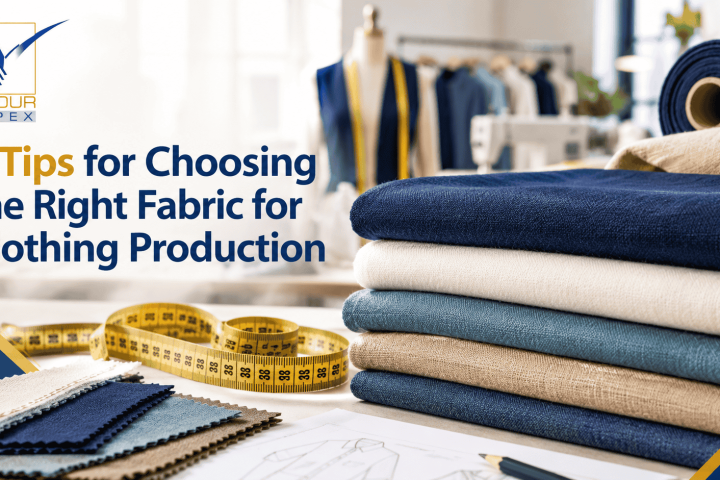



If you’ve ever received two fabric samples that felt completely different despite sharing the same fiber content, the answer almost always comes down to two numbers most buyers overlook: yarn count and fabric density. These two specifications quietly determine everything about a fabric’s hand-feel, weight, durability, drape, and cost yet they’re often the least understood...
Author: shahzadyasin
Denim Fabric Sourcing from Pakistan in 2026: A Complete Buyer’s Guide
Denim never really goes out of style, and neither does Pakistan’s position as one of the world’s most reliable denim fabric Sourcing from Pakistan producers. For brands, importers and private-label buyers planning their 2026 collections, Pakistan continues to offer the rare combination of vertically integrated mills, competitive pricing, and improving sustainability credentials that global denim...
Home Textile Sourcing Trends for 2026: What Global Buyers Need to Know
The home textile industry has entered 2026 in a state of controlled turbulence. Tariff policy is being rewritten in real time, sourcing maps are shifting between South and Southeast Asia, sustainability has moved from marketing language to a procurement requirement, and buyers are demanding more transparency, more certification, and more supply chain resilience than at...
Recycled Cotton vs Organic Cotton: Which Is Better?
Sustainability has moved from a marketing buzzword to a genuine sourcing requirement. Buyers, retailers and consumers alike are asking harder questions about the raw materials behind their garments, and two fibers keep coming up in almost every conversation about sustainable textiles: recycled cotton vs organic cotton. Both are marketed as eco-friendly alternatives to conventional cotton,...
OEKO-TEX Certification Guide for Textile Importers
Importing textiles isn’t just about price, quality, and delivery times. Buyers also need confidence that the products meet chemical safety requirements and are suitable for their intended use. The OEKO-TEX Certification for Textile Importers is one of the best-known textile safety certifications for this purpose. This guide explains what it means, how the certification works,...
How to Calculate FOB Pricing When Importing Textiles from Pakistan
Pakistan has been a dependable source of yarn, fabric, home textiles and garments for international buyers for decades, and one of the first questions any importing textiles from pakistan asks before placing an order is simple: what will this shipment actually cost me? The answer almost always starts with FOB pricing. Understanding how FOB (Free...
Digital Printing on Garments: Trends and Sourcing Options in Pakistan
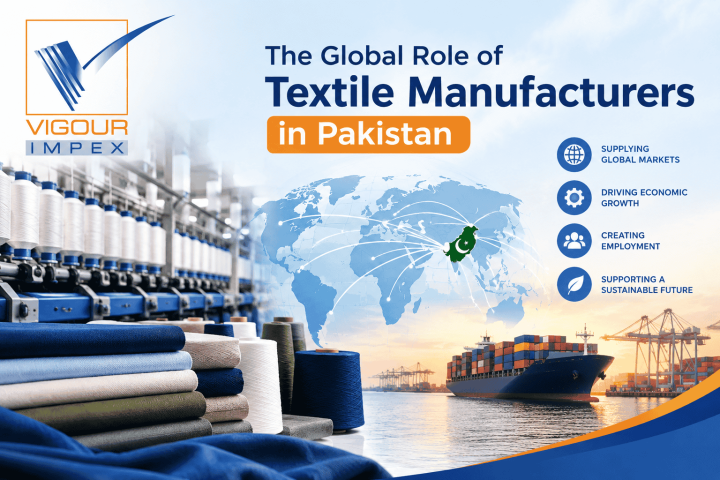
Pakistan’s textile sector has always been defined by scale cotton fields, spinning mills, and vertically integrated factories that turn raw fiber into finished apparel for global brands. But the part of the value chain that decides how a garment actually looks printing is going through the fastest transformation it has seen in decades. digital printing...
Uniform and Workwear Manufacturing in Pakistan: A Complete Buyer’s Guide
Pakistan has quietly become one of the world’s most reliable sourcing destinations for uniform and workwear manufacturing in pakistan. From corporate office attire to heavy-duty industrial coveralls, medical scrubs, school uniforms, and hospitality garments, the country’s textile infrastructure supports the entire production chain spinning, weaving, dyeing, cutting, sewing, and finishing often under one roof. For...
How Private Label and White Label Apparel Manufacturing Help Brands Scale Faster
The fashion industry has changed dramatically over the past decade. Where launching a clothing brand once required massive capital investment in factories, equipment, and in-house production teams, today’s most successful apparel businesses are built on partnerships. At the center of this shift is private label apparel manufacturing a model that allows emerging and established brands...
How to Reduce Textile Sourcing Costs Without Compromising on Quality
For brands, retailers, and manufacturers alike, textile sourcing is one of the biggest line items on the balance sheet and one of the easiest places for costs to quietly spiral out of control. Rising raw material prices, shipping volatility, and inconsistent supplier performance can all chip away at margins. Yet cutting corners on quality to...