


The bed sheets in a hotel room do more work than almost any other item in the property. They are the first thing a guest touches, the last thing they remember, and one of the most reviewed items across every major hospitality platform in the UK.
UK hotels, B&Bs, serviced apartments, and holiday rentals face a specific challenge: finding bed sheets that balance guest comfort with commercial durability, laundry performance, and cost efficiency across hundreds or thousands of wash cycles.
This guide covers everything Uk hospitality businesses need to know before buying bed sheets at scale, from materials and thread count to supplier selection and common purchasing mistakes.
Sourcing hotel-quality bed sheets for your property? Vigour Impex supplies premium cotton and polycotton hospitality linen to UK buyers. Browse our bed sheet range at vigourimpex.com/products to find the right fabric and finish for your property.
Why Bed Sheets Matter in the UK Hospitality Businesses Industry
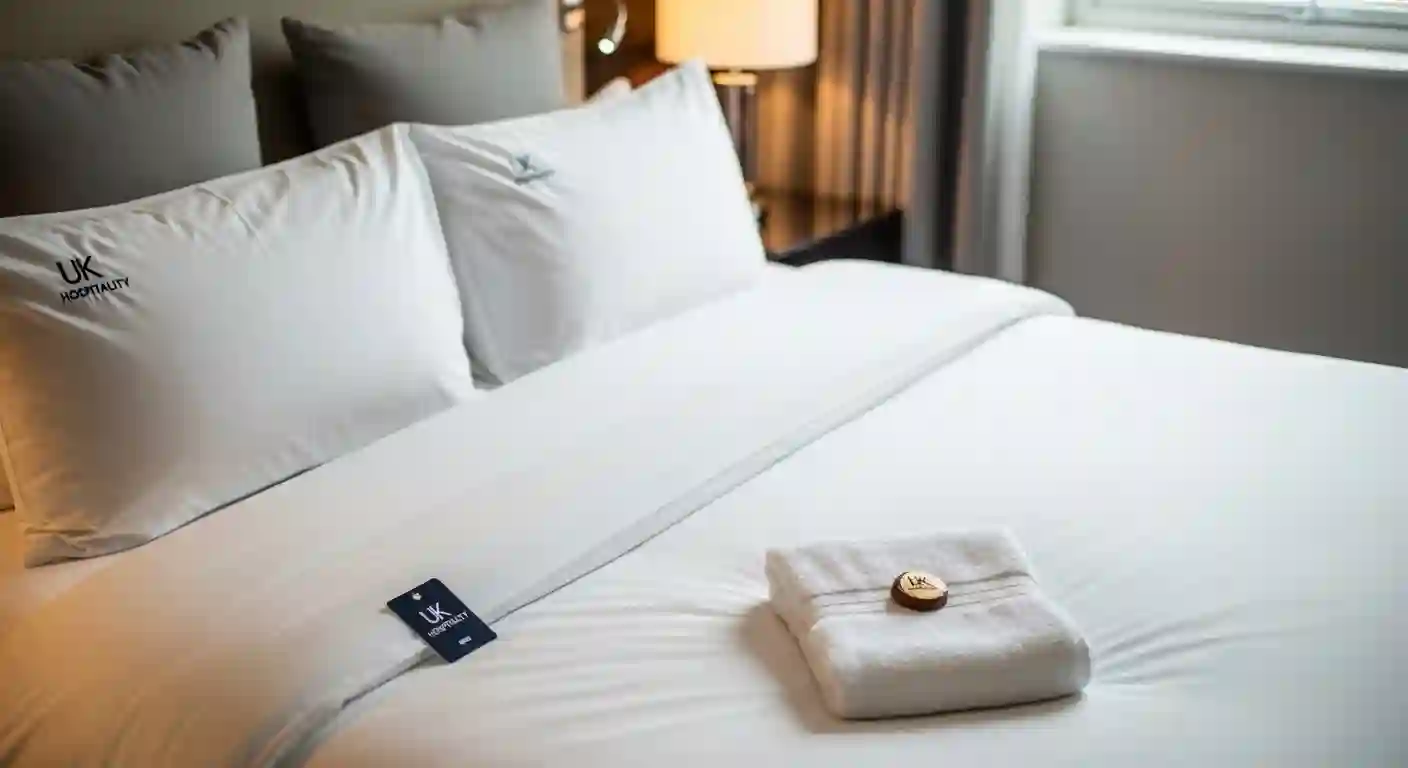
Bed sheets directly influence how guests perceive the quality of a property. In the UK hospitality sector, cleanliness and comfort rank consistently as the top two factors in guest reviews on platforms like Booking.com and TripAdvisor. The bedding is central to both.
A crisp, white, smooth sheet signals professionalism and hygiene. A pilled, worn, or rough sheet signals the opposite, regardless of how well the rest of the room is presented. Guests may not articulate it in those terms, but the feeling translates directly into review scores and repeat booking rates.
For luxury hotels and boutique properties, high-quality hotel bedding also serves a brand function. The tactile experience of slipping into well-made sheets is part of what guests pay a premium for and what they tell others about. For budget properties, the standard is lower, but the durability requirement is higher.
In UK hospitality, bed sheet quality affects guest satisfaction scores, hygiene perception, brand positioning, and repeat bookings. Commercial bedding decisions should be driven by performance requirements, not just price.
What Types of Bed Sheets Do UK Hotels and Rentals Use?
UK hospitality properties use several sheet formats depending on their bed configuration, operational model and housekeeping workflow. Understanding the options helps buyers make decisions that suit their specific setup.
Fitted sheets are standard for most UK hotel beds. They grip the mattress corners securely and are faster for housekeeping staff to apply. Flat sheets are used as top sheets in luxury setups or as mattress protector covers in some properties. Duvet covers are the dominant bedding format in UK hospitality, replacing traditional top sheet and blanket combinations in most mid-range and budget properties.
In terms of material finish, percale and sateen are the two most common weave types used in hotel-quality sheets. Percale offers a crisp, cool feel that suits warmer sleepers and is widely used in UK mid-range hotels. Sateen has a smoother, slightly silkier surface and is preferred in upscale and boutique properties where a luxury sleeping experience is part of the brand promise.
Standard UK hospitality bed sizes include single (90x190cm), double (135x190cm), king (150x200cm), and super king (180x200cm). Importers and buyers should confirm size specifications with suppliers, as European sizing differs from UK sizing and errors are a common cause of returns.
UK hotels primarily use fitted sheets and duvet covers in percale or sateen finishes. Percale suits mid-range and budget properties. Sateen is preferred for luxury and boutique hotels where soft bed sheets and a premium aesthetic matter.
What Materials Are Best for Hospitality Bed Sheets?
Material choice is the most important decision in hospitality bedding procurement. It determines comfort, laundering durability, cost efficiency, and how the sheets hold up after hundreds of commercial wash cycles.
| Material | Best For | Wash Durability | Cost Level |
| 100% Cotton (Percale) | Mid-range hotels | Excellent | Medium |
| Egyptian / Pima Cotton | Luxury properties | Very Good | High |
| Polycotton Blend | Budget / high-volume | Outstanding | Low |
| Bamboo / Eco Fabric | Eco-positioned properties | Good | Medium-High |
| Microfibre | Budget rentals | Good | Low |
100% Cotton Sheets
Pure cotton remains the most widely used material in UK hospitality bedding. It is breathable, soft after washing, and holds up well under commercial laundering conditions. Ring-spun cotton produces a smoother surface than standard carded cotton and is the preferred choice for mid-range hotel quality sheets.
Egyptian Cotton and Luxury Options
Egyptian cotton and Pima cotton (including Supima cotton) are long-staple varieties that produce finer, stronger yarn and smoother fabric. These materials are used in four and five-star hotels where the luxury sleeping experience is a core part of the product. They are more expensive but have strong guest recognition value.
Polycotton Blends for Durability
Polycotton sheets, typically a 50/50 or 60/40 cotton-polyester blend, are the workhorses of UK hospitality linen. They are more resistant to shrinkage and wrinkling than pure cotton, dry faster in commercial laundries, and maintain color retention across more wash cycles. Budget hotels and high-volume rental properties often prefer them precisely because of their laundering performance.
Sustainable and Eco-Friendly Fabrics
Bamboo bedding and GOTS-certified organic cotton are growing in demand among eco-positioned UK hospitality businesses. These materials appeal to environmentally conscious guests and support sustainability commitments that increasingly appear in hotel marketing. Bamboo fabric is naturally moisture-wicking and temperature-regulating, making it suitable for properties that want to offer a breathable bedding experience without synthetic blends.
For most UK hospitality properties, 100% cotton percale or polycotton blends offer the best balance of guest comfort and laundering durability. Luxury properties should consider Egyptian or Pima cotton. Eco-focused properties can differentiate with bamboo or certified organic options.
How Thread Count and Fabric Quality Affect Guest Experience
Thread count is one of the most misunderstood metrics in hospitality bedding. It measures the number of threads woven into one square inch of fabric, but a higher number does not automatically mean better quality.
For commercial hotel use in the UK, the practical thread count range sits between 200 and 400. Sheets in this range are durable enough for frequent washing, soft enough for positive guest feedback, and priced appropriately for bulk purchasing. Sheets marketed at 600, 800, or 1000 thread count are often produced using multi-ply threads, which artificially inflate the number without improving the fabric quality.
The weave type and yarn quality matter more than thread count alone. A 300 thread count percale sheet made from ring spun long-staple cotton will outperform a 600 thread count sheet made from short-staple multi-ply yarn in both feel and durability. GSM (grams per square metre) is often a more reliable indicator of fabric density and quality in commercial bedding contexts.
• 200 to 300 TC: Ideal for budget hotels, high-volume rentals, and properties prioritising laundry efficiency
• 300 to 400 TC: Best for mid-range UK hotels wanting a balance of softness and wash durability
• 400 to 600 TC: Suited to upscale properties where fabric softness and elegant bed linen are part of the brand
UK hospitality buyers should target thread counts between 200 and 400 for commercial use. Focus on weave type, yarn quality, and GSM as primary quality indicators rather than chasing high thread count numbers, which are often misleading.
Not sure which fabric or thread count works best for your hotel or rental? Request a free sample from Vigour Impex before placing a bulk order. Visit vigourimpex.com/contact to get started.
How Do Hospitality Businesses Balance Cost and Quality?

Every hospitality procurement decision involves a trade-off between upfront cost and total lifecycle value. Bed sheets that cost less per unit but wear out after 80 washes are more expensive over time than sheets that cost more but last 200 washes.
Bulk purchasing is the primary lever for cost control. Suppliers, including wholesale hospitality bedding providers offer significantly lower per-unit pricing at volume. UK hotels and rental operators that consolidate their linen orders rather than buying in small batches consistently reduce their cost per wash cycle.
Laundering durability should be a core part of the buying decision. Before committing to bulk orders, request wash test data from suppliers. A sheet that maintains its color retention, resists shrinkage, and stays soft after 150 commercial washes is worth paying more for upfront.
Supplier negotiation is also underused by smaller hospitality operators. Many hospitality bedding suppliers will negotiate on price for consistent repeat orders, even at lower volumes. Establishing a preferred supplier relationship with clear quality standards protects both sides and often leads to better pricing over time.
What Features Do Hotels Look for When Buying Bed Sheets?
UK hospitality buyers evaluate bed sheets across several performance dimensions before approving a supplier or product range. Price is a factor, but rarely the deciding one for properties that care about guest satisfaction.
• Wash durability: Sheets must maintain quality across 150 to 200 commercial wash cycles without pilling, thinning, or losing shape
• Stain resistance: Easy-care bedding that releases common stains in standard commercial wash temperatures (60 to 90 degrees) reduces replacement costs
• Wrinkle resistance: Wrinkle-resistant sheets reduce ironing time and labour costs in housekeeping operations
• Colorfastness: Fade-resistant sheets, particularly white hotel bed sheets that must remain crisp and bright, are essential for maintaining a professional appearance
• Softness after repeated washing: High-performance bedding should feel softer over time, not rougher, as the fibers break in
• Branding consistency: Properties with a specific aesthetic, such as crisp white bedding or satin stripe bedding, need sheets that maintain that look across the entire linen inventory
How to Choose the Right Bed Sheets Supplier in the UK
Supplier selection is as important as product selection in hospitality bedding procurement. A supplier who cannot deliver consistently, maintain quality across orders, or provide documentation creates operational risk for your property.
Evaluate reliability by asking for references from other hospitality clients and checking whether the supplier has experience with commercial bedding at your scale. A supplier who primarily serves retail consumers may not understand the specific requirements of commercial laundry bedding, bulk delivery timelines, or hospitality linen maintenance standards.
Certifications matter. OEKO-TEX Standard 100 certification confirms that the fabric has been tested for harmful substances, which is relevant for properties serving families or positioning on hygiene standards. GOTS certification is relevant for eco-positioned properties sourcing sustainable fabric.
Stock consistency is a practical concern that many buyers underestimate. If a supplier cannot guarantee consistent stock of the same product across repeat orders, your linen inventory will develop visible inconsistencies over time as newer batches differ slightly from older ones.
View Vigour Impex’s hospitality linen product range to find certified, bulk-ready commercial bedding for UK properties.
Choose hospitality bedding suppliers who have commercial linen experience, can provide certifications, guarantee stock consistency, and offer wash test data. Switching suppliers mid-inventory creates visible quality inconsistencies that guests notice.
Common Mistakes Hospitality Businesses Make When Buying Bed Sheets
Most buying errors in hospitality bedding come down to optimising for the wrong variable, usually short-term price rather than long-term performance.
• Focusing only on price: The cheapest sheets almost always have the highest total cost when replacement frequency and guest experience impact are factored in
• Ignoring wash cycle durability: Sheets that cannot handle frequent washing at commercial temperatures become unusable within months, not years
• Choosing the wrong fabric for the property: Microfibre bedding may be cheap, but in a premium property, it creates a guest experience that undercuts the brand
• Not testing samples before bulk buying: Ordering trial quantities and running them through your laundry process before committing to a bulk order is standard practice among experienced hospitality buyers, and one of the most effective ways to avoid expensive mistakes
• Overlooking size accuracy: UK and EU sizing differ. Always confirm exact dimensions before ordering from international suppliers to avoid a full inventory of ill-fitting sheets
• Ignoring seam construction: Poor seam quality causes sheets to split at the corners after minimal use, which is a visible defect that guests notice immediately
Ready to Order Hotel-Quality Bed Sheets in Bulk?
Vigour Impex delivers commercial bedding for UK hotels, B&Bs, serviced apartments, and holiday rentals. Our hospitality linen is tested for durability, colorfastness, and laundering performance. Visit vigourimpex.com/products or contact us today to request pricing and samples.
FAQs About Hospitality Bed Sheets in the UK
What thread count do hotels use in the UK?
Most UK hotels use bed sheets in the 200 to 400 thread count range for commercial use. Budget and mid-range properties tend to use 200 to 300 TC for its durability and laundry efficiency. Four and five-star hotels typically use 300 to 500 TC with long-staple cotton such as Egyptian or Pima cotton for a softer, more luxurious feel. Thread count alone is not a reliable quality indicator without also considering yarn quality and weave type.
Are cotton sheets better for hotels?
100% cotton sheets are preferred by most UK hotels for their breathability, softness after washing, and guest comfort. Polycotton blends are often chosen by high-volume properties because they offer superior shrinkage resistance, faster drying, and lower replacement costs. The best choice depends on your laundry setup, guest expectations, and budget. Luxury properties generally benefit from pure cotton or long-staple cotton. Budget and mid-market properties often find polycotton blends more practical.
How often do hotels replace bed sheets?
UK hotels typically replace bed sheets every one to two years for standard commercial linen, depending on quality and wash frequency. High-quality sheets from certified suppliers can last 200 or more commercial wash cycles before showing visible wear. Properties using lower-quality linen may replace sheets every six to twelve months. Tracking wash cycles and inspecting linen regularly allows housekeeping teams to retire sheets before guests notice deterioration.
What is the best fabric for frequent washing?
Polycotton blends are the most durable option for frequent commercial washing because the polyester component resists shrinkage, maintains shape, and recovers well from high-temperature laundering. For properties that want to use pure cotton, ring-spun long-staple cotton with a percale weave offers the best combination of durability and comfort. Bamboo fabric is also an option for properties prioritising sustainability, as it handles regular washing well and becomes softer over time.