



US apparel brands are shifting more of their sourcing to Pakistan in 2026, driven by competitive pricing, strong cotton infrastructure, and a textile industry that has invested heavily in compliance and sustainability over the past three years.
Global supply chain disruptions, rising production costs in China and Vietnam, and growing pressure from buyers and regulators to demonstrate ethical sourcing have pushed US brands to diversify. Pakistan has emerged as one of the most viable alternatives, offering a combination of raw material depth, manufacturing capacity, and improved compliance standards.
Exploring Pakistan as a textile sourcing destination? Vigour Impex connects US apparel brands with verified Pakistani manufacturers across cotton, denim, knitwear, and home textiles. Browse our product range at vigourimpex.com/product.
What Is Driving USA Apparel Brands to Source Textiles from Pakistan in 2026?
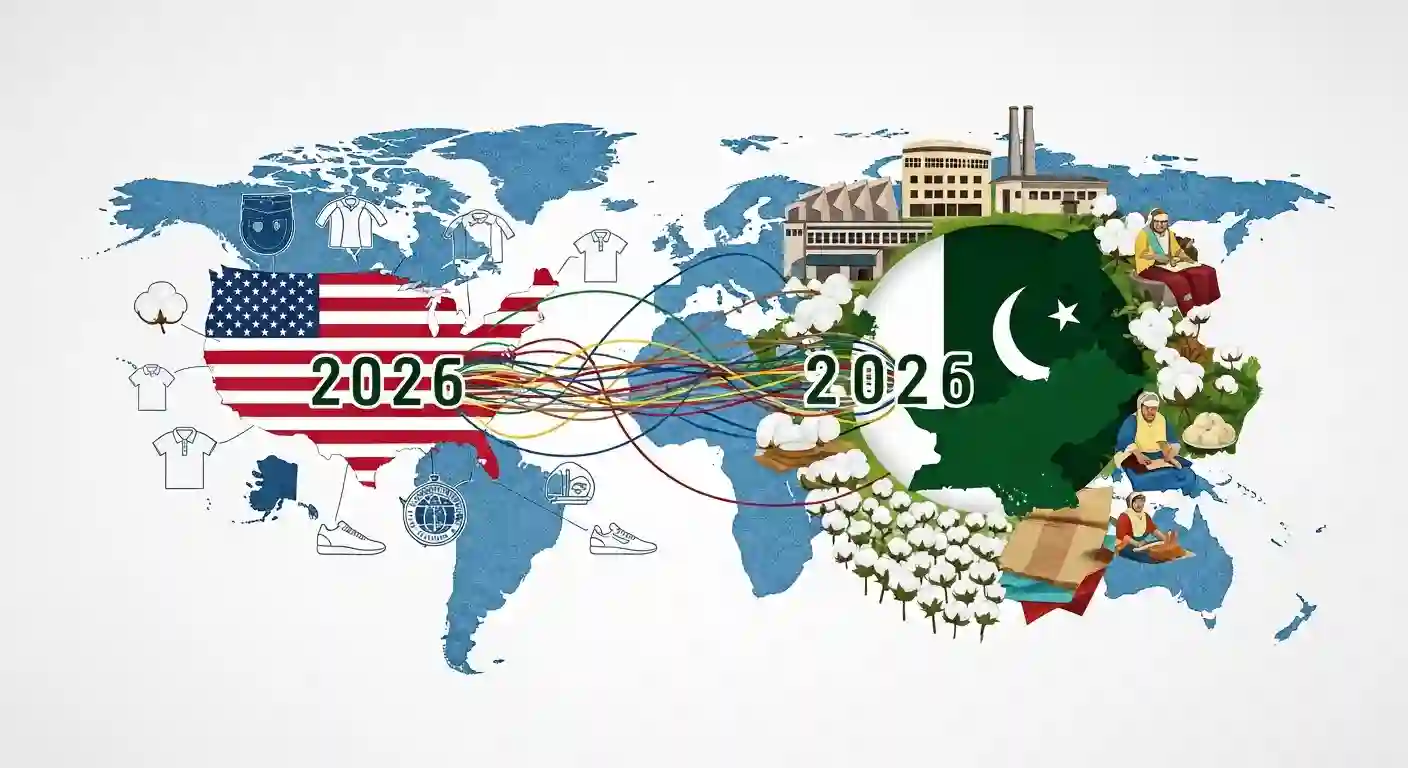
The shift toward Pakistan as a textile manufacturing hub is not a trend driven by a single factor. It is the result of several converging pressures that have made the country more attractive to US buyers at exactly the moment when those buyers needed an alternative.
Production costs in China have risen steadily over the past decade. Labor cost advantages that made China the dominant global apparel manufacturing destination have largely disappeared for lower-margin product categories. Vietnam, which absorbed much of the volume that left China, is now facing similar wage inflation and capacity constraints.
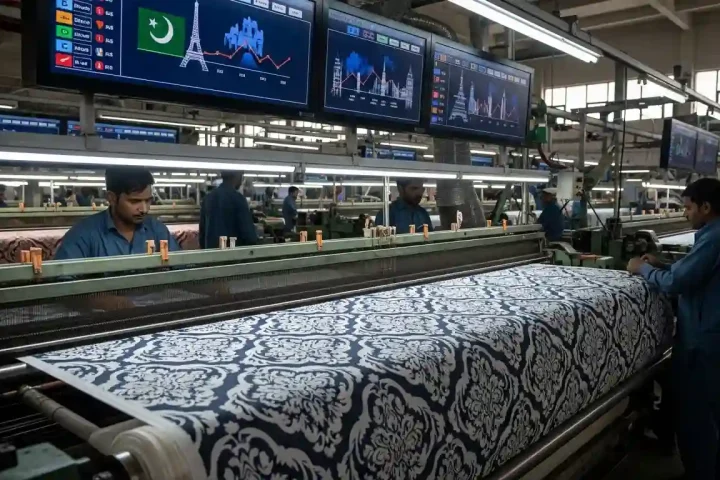
Pakistan offers a genuine labor cost advantage for labor-intensive categories like knitwear, casual wear and home textiles. Combined with domestic access to high-quality cotton as a raw material, Pakistani manufacturers can price competitively across a wide range of product types.
Trade relationships between the US and Pakistan have also improved. Pakistan’s compliance with international labor and environmental standards has progressed, reducing the regulatory risk that previously deterred some US buyers. For brands facing pressure around ethical sourcing and green supply chain commitments, Pakistan now clears a threshold it did not meet five years ago.
US apparel imports from Pakistan are growing because the country offers low labor costs, a strong cotton supply, improving compliance standards, and competitive pricing across categories where China and Vietnam have become expensive.
What Problems Are USA Brands Trying to Solve Through Pakistan Sourcing?
Every sourcing decision is ultimately a problem-solving decision. Understanding what US brands are actually trying to fix helps explain why Pakistan is winning more of their business.
• High production costs: Margins in US apparel retail have been squeezed by inflation, freight costs, and consumer price sensitivity. Pakistan sourcing offers a meaningful cost efficiency improvement for brands competing on price.
• Supply chain disruptions: Brands that were heavily concentrated in China or a single sourcing country learned a hard lesson about supply chain resilience during the pandemic. Sourcing diversification into Pakistan reduces single-country dependency.
• Sustainability pressure: Retail buyers, investors, and regulators are demanding evidence of sustainable textiles and ethical manufacturing. Pakistan’s growing GOTS and OEKO-TEX certified supplier base gives US brands sourcing options that meet these requirements.
• Fast fashion versus ethical sourcing conflict: Many US brands are trying to reconcile the economics of fast fashion apparel categories with the reputational and regulatory pressure to source ethically. Pakistani manufacturers who can demonstrate compliance and offer competitive pricing solve both sides of that tension.
How Are USA Apparel Brands Sourcing Textiles from Pakistan?
US brands use several different approaches to access Pakistani textile manufacturers. The right model depends on the brand’s order volume, internal sourcing capability, and how much relationship management they can handle directly.
Direct Partnerships with Mills
Larger US brands with dedicated sourcing teams often build direct relationships with Pakistani spinning mills and garment manufacturers. This model gives them better visibility into fabric sourcing, quality control, and production scheduling. Direct partnerships also make compliance auditing more straightforward because the relationship is not filtered through an intermediary.
Sourcing Agents and Buying Houses
Smaller US brands and those new to Pakistan sourcing frequently work through sourcing agents or buying houses based in Karachi, Lahore, or Faisalabad. These intermediaries manage supplier identification, vendor selection, sampling, and shipment logistics on behalf of the buyer. The trade-off is an additional cost layer, but for brands without local knowledge, it significantly reduces risk.
Trade Shows and B2B Platforms
International textile trade shows, including Texworld USA and regional sourcing events, provide US buyers with access to Pakistani exporters in a structured environment. B2B platforms and online sourcing marketplaces are also increasingly used for initial supplier discovery, though most US brands still require in-person or virtual verification before placing production orders.
Digital Sourcing and Virtual Sampling
Post-pandemic, digital sourcing has become a mainstream part of the apparel procurement process. Pakistani suppliers who offer 3D sampling, digital fabric swatches, and video factory walkthroughs are winning more first inquiries from US buyers who cannot justify the travel cost for initial supplier evaluation.
What Is the Textile Sourcing Process Step by Step?
Understanding the apparel sourcing process from inquiry to shipment helps US brands set realistic timelines and avoid common coordination failures.
1. Supplier identification: Research Pakistani manufacturers through trade directories, sourcing agents, or B2B platforms. Shortlist based on product category, production capacity, and initial compliance signals.
2. Sample development: Request fabric samples or proto samples before discussing production pricing. Sampling and prototyping at this stage saves significant cost later by identifying quality or construction issues early.
3. Compliance and certification checks: Verify that the supplier holds relevant certifications for your market. For US imports, this typically includes OEKO-TEX Standard 100, GOTS for organic cotton, and WRAP or BSCI for social compliance auditing.
4. Price negotiation: Obtain per unit price quotes based on your specifications and target order volume. Factor in freight, duties, and any agent fees to calculate landed cost rather than just FOB pricing.
5. Bulk apparel production: Once samples are approved and terms are agreed, production begins. Establish a production milestone schedule and maintain regular communication with the supplier or agent throughout.
6. Quality inspection: Commission a third-party quality control inspection before goods leave Pakistan. This is a non-negotiable step for first orders with a new supplier and recommended for all subsequent orders.
7. Shipping and logistics: Coordinate sea freight or air freight based on delivery timeline requirements. Factor in US import duties on apparel categories and ensure all customs documentation is accurate to avoid clearance delays.
What Types of Textiles Are USA Brands Importing from Pakistan?
Pakistan’s textile export competitiveness is concentrated in specific product categories where its raw material base and manufacturing infrastructure provide a genuine advantage over competing sourcing countries.
• Cotton apparel and organic cotton: Pakistan is one of the world’s largest cotton producers. US brands sourcing cotton casualwear, basics, and GOTS-certified organic cotton products have access to the full value chain from fiber to finished garment.
• Denim: Pakistani denim manufacturers supply several major US brands with both fabric and finished garments. The sector has invested in sustainable denim finishing processes including laser treatment and ozone washing to meet eco-friendly manufacturing requirements.
• Knitwear: Knitted apparel including t-shirts, polos, sweatshirts, and sportswear manufacturing is a high-volume export category. Pakistani knitwear factories have strong capabilities in both basic and value-added construction.
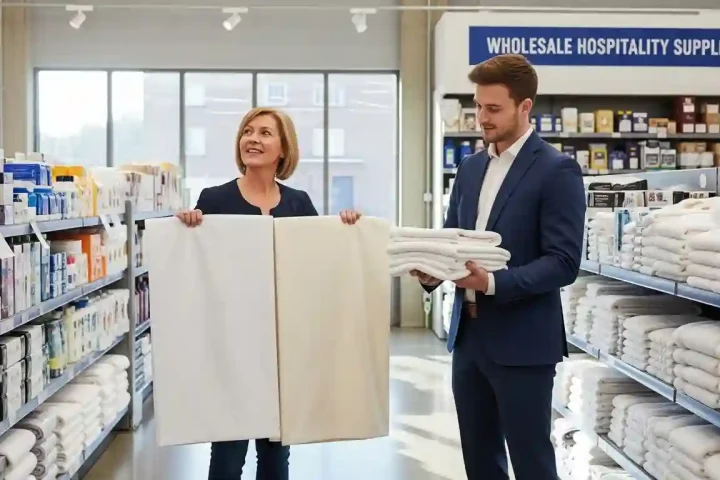
• Home textiles: Bed sheets, towels, and bath linen from Pakistan account for a significant share of US home textile imports. Pakistani home textile manufacturers are globally recognized for quality in this category.
• Technical and blended fabrics: A growing number of Pakistani mills now produce blended fabrics and man-made fiber (MMF) products including polyester apparel and synthetic fiber clothing for activewear and performance categories.
How Does Pakistan Compare to Other Textile Sourcing Countries?
US brands evaluating sourcing options need a clear picture of how Pakistan stacks up against competing manufacturing hubs across the dimensions that matter most to their business.
| Factor | Pakistan | China | Bangladesh |
| Labor Cost | Low | Medium-High | Low |
| Cotton Quality | Excellent | Good | Moderate |
| Sustainability | Improving | Moderate | Improving |
| Lead Time | 4 to 8 weeks | 3 to 6 weeks | 4 to 7 weeks |
| Compliance Level | Growing | High | Moderate |
| Private Label Capability | Strong | Very Strong | Moderate |
Pakistan’s most significant advantage over China is cost efficiency on labor-intensive products combined with cotton raw material access. Against Bangladesh, Pakistan competes strongly on home textiles and higher-value garment categories. Against Vietnam, Pakistan offers better pricing on cotton-based products but lags in technical fabric manufacturing capability and logistics infrastructure.
Pakistan is most competitive versus China and Bangladesh in cotton-based apparel and home textiles. For brands sourcing organic cotton products or looking to reduce per unit price on basics and casualwear, Pakistan offers a clear value proposition in 2026.
Comparing sourcing options across Pakistan, China, and Bangladesh? Vigour Impex can help US buyers evaluate pricing, compliance, and supplier capability before committing. Contact our sourcing team at https://vigourimpex.com/contact-us/
How Are Sustainability and Compliance Affecting Sourcing Decisions in 2026?
Sustainability is no longer a differentiator in US apparel sourcing. It is increasingly a baseline requirement. Brands under pressure from retail buyers, investors, and regulators need suppliers who can demonstrate ethical manufacturing and a measurable reduction in carbon footprint.
Demand for GOTS-certified organic cotton goods has increased sharply as US brands commit to sustainable product lines. Pakistani ginners and spinners who have achieved GOTS certification are seeing stronger inquiry volume from US buyers who need to document their sustainable textile supply chain.
OEKO-TEX Standard 100 certification is now routinely requested by US importers as proof that fabric inputs have been tested for harmful substances. Suppliers without this certification are increasingly excluded from shortlists, regardless of their pricing.
Ethical labor practices and transparent production capacity documentation have become standard requests in US buyer RFQs. Pakistani manufacturers who have invested in worker welfare programs, documented wage structures, and third-party social audits are winning business from brands that previously sourced from countries with stronger compliance track records.
What Are the Biggest Challenges in Sourcing from Pakistan?
Pakistan offers real advantages as a textile sourcing destination, but US brands need to go in with clear eyes about the operational challenges that require active management.
• Political and economic instability: Pakistan’s macroeconomic environment has been volatile. Currency fluctuations affect supplier pricing and can create mid-order renegotiation pressure. US brands should build pricing adjustment clauses into supplier contracts.
• Energy costs and supply: Power outages and high energy costs have affected production efficiency in some Pakistani textile clusters. Buyers should ask suppliers about their backup power arrangements and how energy costs are factored into their pricing.
• Lead times: Typical lead times from sample approval to shipment run four to eight weeks for standard categories. This is longer than some competing countries. US brands with tight inventory cycles need to factor this into their apparel import trends planning and reorder windows.
• Communication gaps: Time zone differences and varying levels of English proficiency among production staff can create miscommunication during bulk apparel production. Establishing clear written communication protocols and milestone sign-offs reduces this risk significantly.
How Can USA Brands Reduce Risks When Sourcing from Pakistan?
Risk in Pakistan sourcing is manageable. The brands that have the most success are those that treat supplier relationship management as an ongoing process rather than a transactional event.
• Vet suppliers carefully: Request references from current US or European buyers before placing a first order. A supplier with a verifiable track record of timely delivery and quality assurance in textiles is worth paying more for than an unproven alternative.
• Use third-party inspections: Commission independent quality control inspections at mid-production and pre-shipment stages. This is the single most effective way to catch quality issues before they become expensive.
• Build long-term relationships: Suppliers prioritize repeat buyers over spot order buyers. Brands that commit to ongoing business relationships get better service, faster sampling, and more competitive pricing over time.
• Diversify within Pakistan: Do not concentrate all production in a single factory or city. Spreading orders across two or three suppliers reduces the risk of a single operational disruption affecting your entire order book.
Learn how Vigour Impex manages supplier vetting and quality control for US buyers sourcing from Pakistan.
How Can Suppliers in Pakistan Optimize for USA Buyers?

Pakistani textile manufacturers who want to win more business from US apparel brands need to understand what US buyers actually look for beyond price. The brands with the highest sourcing standards are also the most loyal buyers once a relationship is established.
• Improve compliance documentation: Invest in OEKO-TEX, GOTS, and social compliance certifications. Maintain up-to-date audit reports and make them easily accessible to buyer procurement teams.
• Invest in technology: US buyers evaluate production technology as a proxy for quality control capability. CNC cutting equipment, automated sewing lines, and digital quality tracking systems signal a factory that takes consistency seriously.
• Offer low minimum order quantities (MOQs): US brands, especially mid-sized and emerging labels, often cannot meet high MOQs on initial orders. Suppliers who offer flexible entry-level order sizes convert more first inquiries into ongoing customers.
• Provide fast and accurate sampling: Sampling speed is a significant competitive factor. Suppliers who can turn around a production-equivalent sample within two weeks are much more likely to progress to bulk orders than those with four to six week sample timelines.
• Build a digital presence: US buyers search for Pakistani suppliers online before making contact. A professional website with product specifications, certifications, and production capacity information dramatically increases the likelihood of being shortlisted.
What Mistakes Do USA Apparel Brands Make When Sourcing from Pakistan?
The sourcing errors that cost US brands the most time and money are almost always avoidable. Most come down to prioritising short-term savings over long-term supply chain resilience.
• Choosing the lowest price over quality: The cheapest quote rarely produces the best outcome. Suppliers offering prices significantly below market rate are typically cutting corners on yarn and fabric sourcing, quality control, or compliance documentation.
• Ignoring compliance: Brands that skip compliance verification to save time create significant legal and reputational exposure. US customs enforcement and retailer audits are increasingly rigorous.
• Poor communication protocols: Assuming that a verbal agreement or email exchange constitutes a binding specification is a common and expensive mistake. All product specifications, packaging requirements, and delivery terms should be documented in writing before production starts.
• Lack of sourcing diversification: Concentrating all Pakistan sourcing with a single supplier or in a single category creates fragility. Apparel sourcing strategy should include contingency planning from the start.
Ready to Start Sourcing Textiles from Pakistan?
Vigour Impex works with US apparel brands to source quality-verified textiles from Pakistan. From supplier identification and sampling to compliance checks and bulk shipment, we manage the full sourcing process. Visit vigourimpex.com/products or reach out at https://vigourimpex.com/contact-us/ to get started.
FAQs
Why do US brands prefer Pakistan textiles?
US brands are drawn to Pakistan for its combination of competitive production cost optimization, strong domestic cotton supply, growing sustainability credentials, and improving compliance standards. Pakistan is one of the few sourcing destinations that can offer a full value chain from raw cotton to finished garment, which reduces supply chain complexity and gives brands better visibility over their textile raw materials.
Is Pakistan cheaper than China for textiles?
For most cotton-based apparel and home textile categories, Pakistan offers a lower per unit price than China due to lower labor costs and domestic raw material access. The cost advantage is most pronounced in labor-intensive categories like knitwear, bed linen, and basic casualwear. For technical fabrics, synthetic fiber clothing, and complex construction garments, China’s manufacturing infrastructure and supply chain depth often compensates for its higher labor cost.
What certifications are required for US imports from Pakistan?
The core certifications US buyers request from Pakistani suppliers include OEKO-TEX Standard 100 for chemical safety, GOTS for organic textile claims, and WRAP or BSCI for social compliance. Some US brands also require ISO 9001 for quality management systems. Certifications should be current and issued by accredited bodies. Buyers should verify certificate authenticity directly with the issuing organization before placing production orders.
How long does sourcing from Pakistan take?
The full apparel sourcing process from initial supplier identification to goods arriving in the US typically takes 12 to 20 weeks for a new supplier relationship. This includes two to three weeks for sampling and prototyping, one to two weeks for compliance checks, four to eight weeks for bulk apparel production, and three to five weeks for sea freight transit. Established supplier relationships with pre-approved specifications can compress this timeline significantly.