

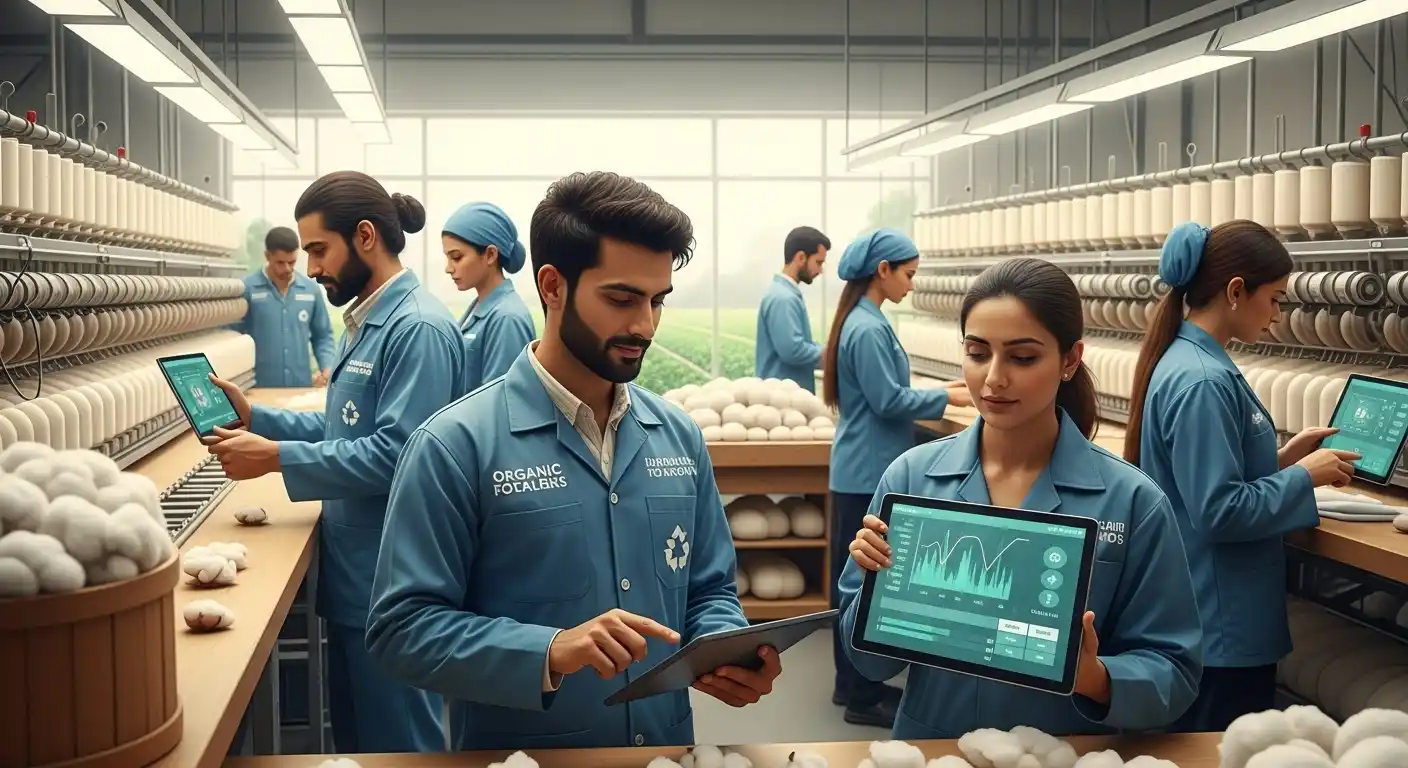
The global fashion industry is at a turning point. With mounting concerns about the environmental impact of fast fashion and climate change, countries worldwide are rethinking how clothes are made. Pakistan, home to one of the world’s largest textile sectors, isn’t just watching from the sidelines; it’s actively shaping what sustainable textiles will look like tomorrow.
But what does this mean for buyers, brands, and everyday consumers? Let’s explore how Pakistan is becoming a key player in sustainable textile manufacturing and why this matters for the future of fashion.
What Are Sustainable Textiles? Understanding the Basics
Before diving into Pakistan’s role, let’s clarify what we mean by sustainable textiles meaning. Simply put, sustainable textiles are fabrics produced with minimal harm to the environment and people. This includes:
- Using organic cotton, hemp, or recycled materials instead of conventional fibers
- Reducing water consumption and chemical use in dyeing processes
- Ensuring fair wages and safe working conditions for factory workers
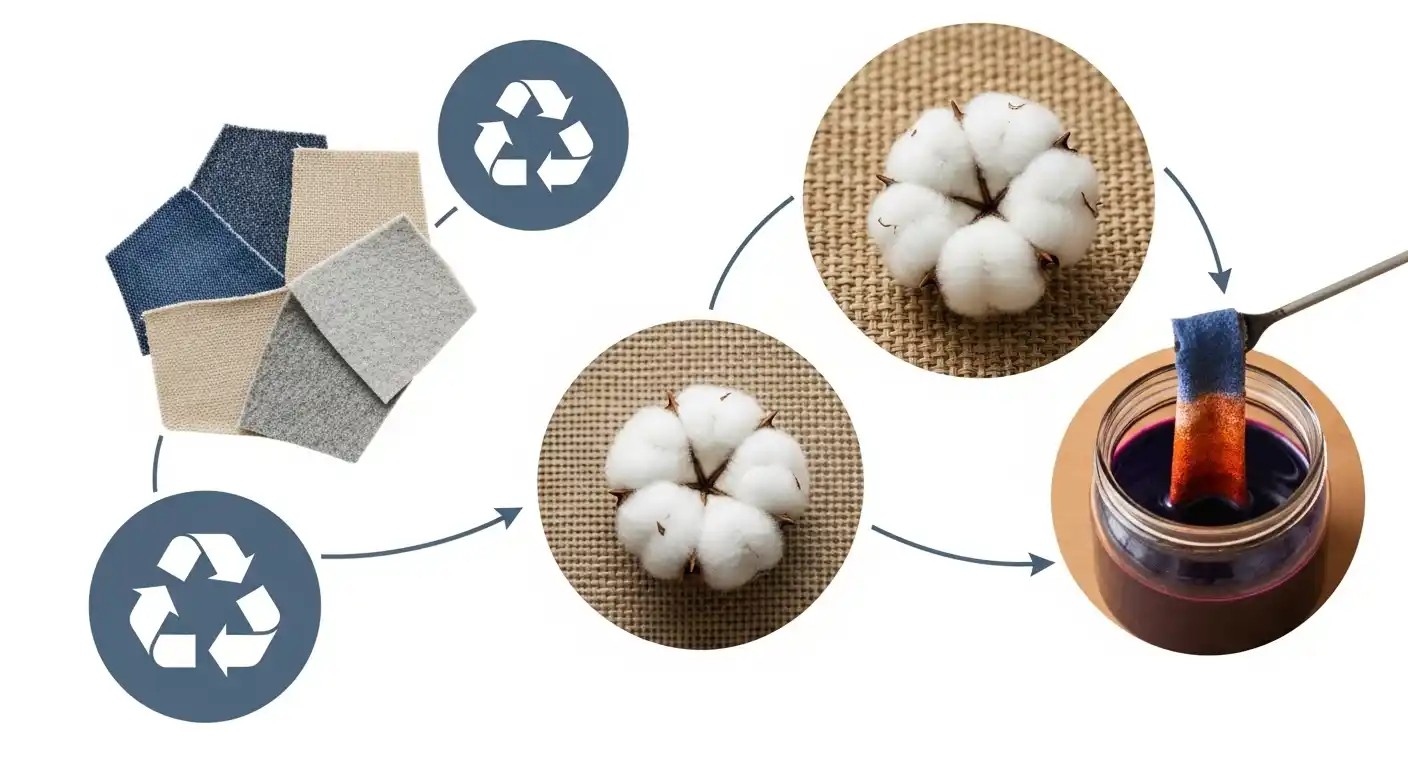
- Implementing circular economy principles where fabric waste is minimized or recycled
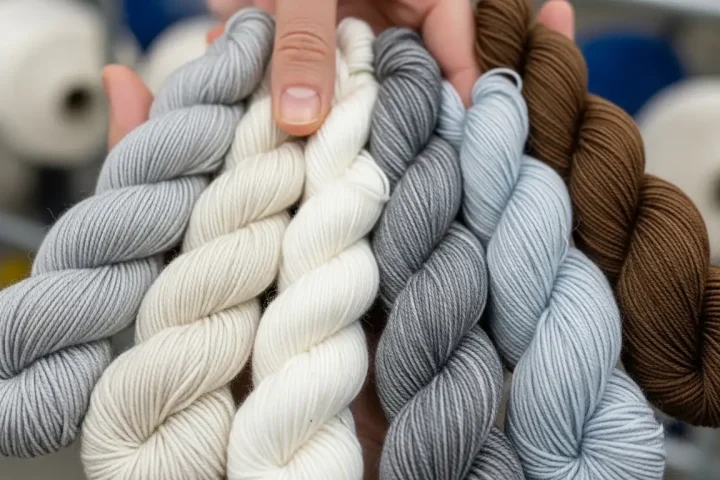
Sustainable textile materials range from organic hemp fabric and bamboo fabric, sustainable options, to innovative alternatives like Tencel modal fabric made from wood pulp. The goal? Creating eco-friendly fabrics that don’t cost the earth literally.
Pakistan’s Textile Industry: A Quick Overview
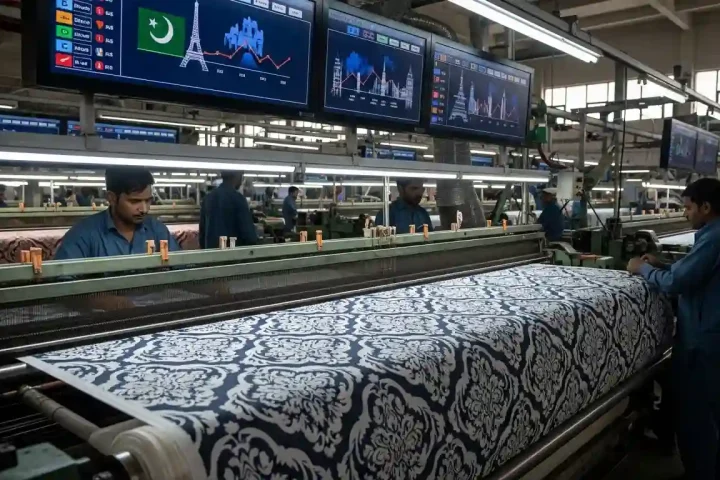
Pakistan ranks as the 8th largest textile exporter globally, with textiles accounting for over 60% of the country’s total exports. The industry employs millions of people and contributes significantly to the national economy.
Major production hubs include:
- Faisalabad (known as the “Manchester of Pakistan”)
- Karachi (largest port city and commercial center)
- Lahore (garment manufacturing hub)
- Sialkot (specialized in sports textiles)
The country produces everything from raw cotton and yarn to finished garments, making it a complete textile manufacturing ecosystem. But the real story isn’t just about volume, it’s about how Pakistan is transforming this massive industry to be more sustainable.
How Pakistan is Leading Sustainable Textile Innovation
1. Organic Cotton Production
Pakistan is among the top producers of organic cotton Pakistan globally. Farmers in Punjab and Sindh provinces are increasingly shifting to organic farming methods that avoid synthetic pesticides and fertilizers.
The benefits are clear:
- Healthier soil that retains water better
- Reduced chemical runoff into rivers
- Better health outcomes for farming communities
- Premium prices for farmers growing certified organic cotton
Organizations like the Better Cotton Initiative and local agricultural departments are training farmers in sustainable practices. This creates a reliable supply of sustainable cotton fabric for manufacturers who want to offer eco-friendly clothing materials.
2. GOTS Certification and International Standards
Global Organic Textile Standard (GOTS) certification is becoming the gold standard for sustainable textiles. Pakistan now has numerous GOTS certified manufacturers Pakistan across its textile clusters.
What does GOTS certification mean? It ensures:
- Organic fiber content (minimum 70%)
- Prohibited use of toxic chemicals
- Wastewater treatment requirements
- Social criteria, including fair wages and safe working conditions
Several Pakistani mills have also obtained certifications from:
- WRAP (Worldwide Responsible Accredited Production)
- OEKO-TEX Standard 100
- Better Cotton Initiative (BCI)
- Responsible Wool Standard (RWS wool) for wool products
These certifications give international buyers confidence that ethical fabric sourcing from Pakistan meets global sustainability benchmarks.
3. Water-Efficient Dyeing Technology
Traditional textile dyeing consumes enormous amounts of water, up to 200 liters per kilogram of fabric. Pakistani manufacturers are investing in waterless dyeing technology Pakistan and digital printing systems that dramatically reduce water usage.
Some mills have installed:
- Closed-loop water recycling systems
- Air dyeing technology that uses pressurized air instead of water
- Digital textile printers that use 95% less water than conventional methods
- Enzymatic treatments that replace harsh chemicals
These innovations are particularly important for producing sustainable denim fabric, which traditionally requires massive water inputs.
4. Renewable Energy Adoption
Energy costs have historically been a challenge for Pakistan’s textile sector. However, this challenge is driving innovation. Many mills are now installing:
- Solar panel arrays on factory rooftops
- Biomass-powered boilers using agricultural waste
- Wind energy systems in suitable locations
- Energy-efficient LED lighting and machinery
The net-zero textile cluster Faisalabad initiative aims to create Pakistan’s first carbon-neutral textile manufacturing zone. This project, supported by international climate funding, will showcase how large-scale sustainable textile manufacturing can work in practice.
5. Textile Waste Recycling and Circular Economy
Pakistan generates significant textile waste from cutting rooms and rejected fabric. Progressive companies are now viewing this as a resource rather than trash.
Textile waste recycling in Pakistan initiatives include:
- Converting fabric scraps into deadstock fabric online offerings at reduced prices
- Mechanical recycling to break down textiles into fibers for new products
- Upcycling programs that transform waste into new product lines
- Partnerships with startups developing innovative recycling technologies
The concept of circular economy textiles Pakistan is gaining traction, where products are designed from the start to be recycled or composted at end-of-life.
Top Sustainable Textile Manufacturers in Pakistan
Pakistan’s textile industry transformation is being driven by forward-thinking companies committed to sustainability in the textile industry. Here are some notable manufacturers making real impact:
Nishat Mills
One of Pakistan’s largest integrated textile companies with GOTS certification. They’ve invested heavily in water recycling and renewable energy.
Sapphire Fibres
Pioneers in sustainable denim production using eco-friendly dyeing processes and organic cotton blends.
Artistic Milliners
Known globally for sustainable denim innovation, including laser finishing technology that eliminates chemical processing.
Interloop
Largest hosiery manufacturer in Pakistan with comprehensive sustainability programs including solar energy and water treatment.
Gul Ahmed
Household name in Pakistan that’s transitioning toward organic cotton and eco-friendly textiles in their home textile range.
Vigour Impex: Your Partner in Sustainable Textile Solutions
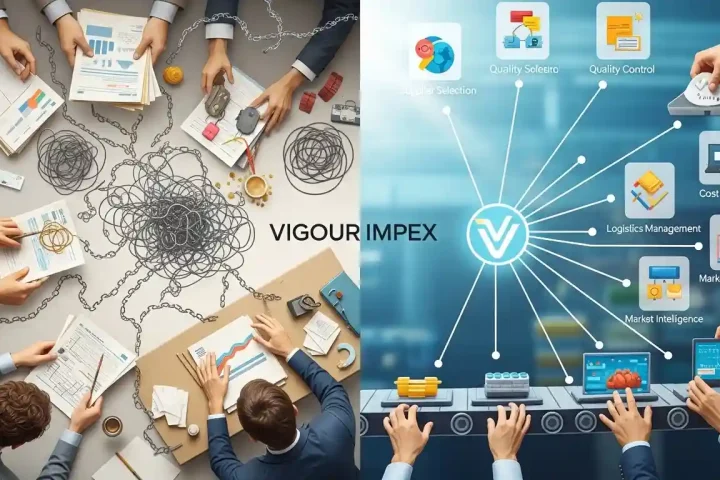
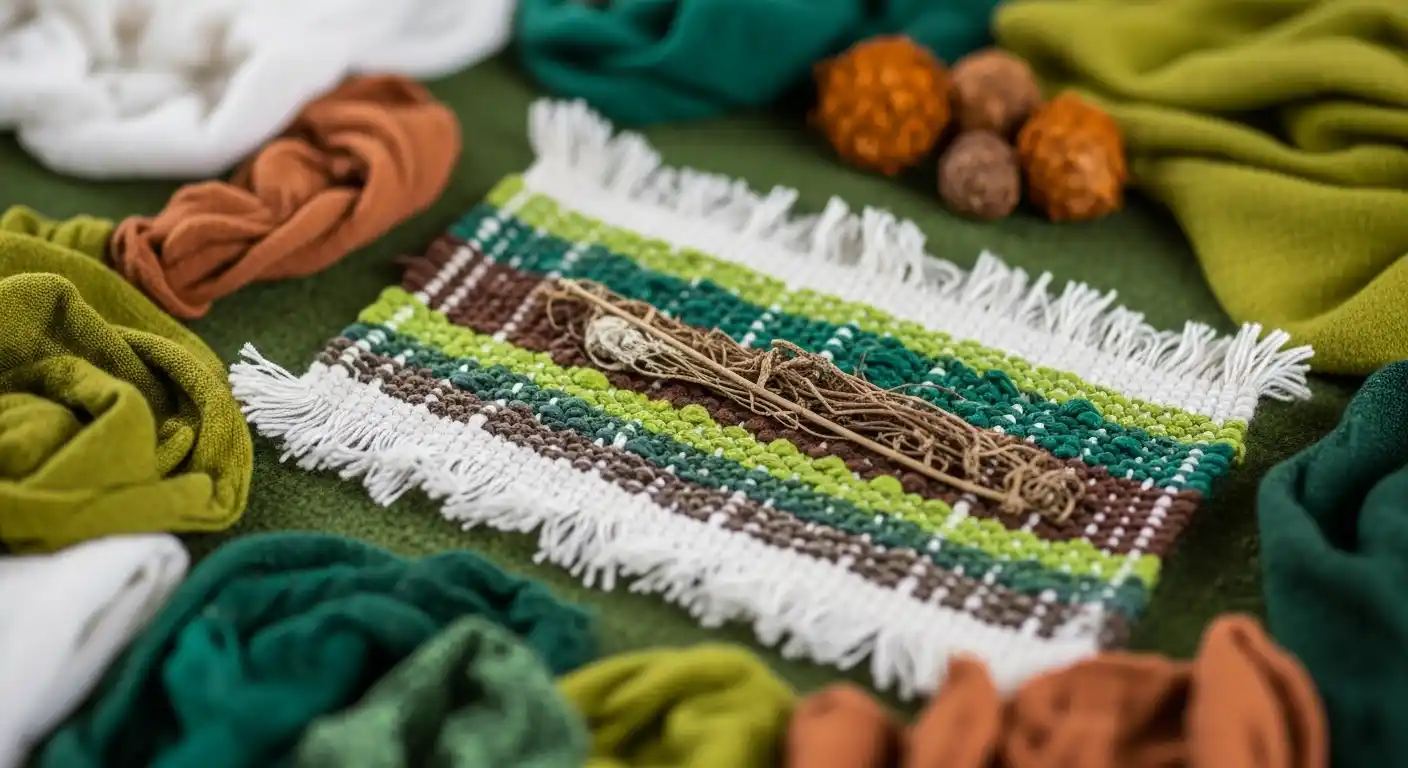
At Vigour Impex, we’re proud to be part of Pakistan’s sustainable textile revolution. As a certified manufacturer and exporter specializing in eco-friendly fabrics and sustainable textile materials, we understand that modern buyers demand more than just quality; they need verifiable sustainability credentials.
Our Commitment to Sustainable Manufacturing:
- GOTS-Certified Production: We maintain strict organic standards from fiber to finished product
- Water Conservation: Advanced water recycling systems reduce consumption by up to 40%
- Renewable Energy: Solar-powered facilities minimizing our carbon footprint
- Ethical Labor Practices: Fair wages, safe working conditions, and worker development programs
- Transparent Supply Chain: Full traceability from cotton field to finished fabric
Whether you need organic cotton fabric, sustainable denim, recycled materials, or custom eco-friendly textiles, Vigour Impex combines traditional Pakistani craftsmanship with cutting-edge sustainable technology. We work closely with international brands seeking reliable partners for their sustainable clothing materials needs.
These manufacturers, including Vigour Impex, represent sustainable textiles examples that demonstrate how Pakistan is building a greener future for the global fashion industry.
How to Embrace Sustainable Textiles in Pakistan
For businesses and consumers in Pakistan looking to participate in this transformation, here are practical steps:
For Manufacturers:
- Start with a certification assessment, and understand which standards apply to your products
- Invest in water treatment and recycling systems
- Switch to renewable energy sources gradually
- Train workers on sustainable textile practices
- Join industry initiatives like APTMA’s sustainability committee
For Brands and Buyers:
- Request certifications from suppliers (GOTS, OEKO-TEX, BCI)
- Visit factories to verify sustainable textile manufacturing claims
- Support suppliers investing in cleaner technology
- Consider longer-term contracts that allow suppliers to invest in sustainability
- Learn about how to source eco-friendly fabrics from Pakistan through verified directories
For Consumers:
- Look for labels indicating organic cotton, Pakistan, or other sustainable materials
- Choose quality over quantity. Buy fewer, better-made items
- Support local brands committed to sustainability in fashion and textiles
- Ask retailers about their sourcing practices
- Consider clothing made from recycled materials when available
Pakistan’s Vision: The Future of Sustainable Textiles
Where is Pakistan heading with sustainable textiles? Several exciting developments are on the horizon:
Government Support and Policy
The Pakistani government has launched the Textile Policy 2020-2025, which includes specific targets for:
- Increasing organic cotton cultivation by 15% annually
- Mandatory water recycling systems for all large textile units
- Tax incentives for mills adopting renewable energy
- Support for obtaining international sustainability certifications
The EU REELAY programme Pakistan is providing technical assistance and funding to help Pakistani textile manufacturers meet European Union sustainability requirements.
Technological Innovation
Pakistani universities and research centers are working on sustainable textile innovation including:
- Algae-based fibers Pakistan development at agricultural research institutes
- Blockchain textile traceability systems to prove sustainability claims
- AI-driven textile manufacturing for reducing waste and energy use
- Bio-dyeing techniques using natural bacteria and enzymes
Future Fabrics and Materials
Beyond traditional cotton, Pakistani manufacturers are exploring:
- Tencel modal fabric production using sustainable wood sources
- Bamboo fabric sustainable manufacturing (bamboo grows quickly without pesticides)
- Hemp cultivation and organic hemp fabric processing
- Recycled polyester from post-consumer plastic bottles
- Most sustainable fabrics blends that combine eco-friendly fibers
Events like the Future Fabrics Expo showcase these innovations to international buyers.
WRAP Textiles 2030 Goals
Many Pakistani manufacturers have aligned with the WRAP Textiles 2030 initiative, which sets ambitious targets for:
- 30% reduction in water use
- 30% reduction in carbon emissions
- 30% reduction in waste to landfill
- Improved worker welfare across supply chains
Challenges Facing Pakistan’s Sustainable Textile Journey
Being honest, the path isn’t without obstacles:
Energy Costs and Infrastructure
Pakistan faces regular power shortages and high electricity costs, making it difficult for smaller mills to invest in sustainable technology. While renewable energy offers a solution, the initial investment can be prohibitive.
Water Scarcity
Pakistan is already a water-stressed country. Textile manufacturing competes with agriculture and domestic use for limited water resources. This makes water-efficient technologies not just nice to have, but absolutely essential.
Price Competitiveness
Sustainable practices often increase production costs. Pakistani manufacturers compete with countries like Bangladesh (which has 202 green factories vs Pakistan’s 36) and China, where economies of scale can drive lower prices.
Awareness and Training
Many smaller factories lack awareness about sustainable textile practices or the business benefits of certification. Bridging this knowledge gap requires ongoing training programs.
Supply Chain Complexity
Ensuring sustainability across complex supply chains from cotton farms to finished garments requires coordination among many stakeholders. Traceability systems are still developing.
Why Pakistan’s Sustainable Textile Future Matters Globally
Pakistan’s transformation matters far beyond its borders:
For International Brands: Pakistan offers a competitive alternative to other Asian suppliers with growing sustainability credentials. Brands committed to reducing their environmental impact of fast fashion can find reliable partners here.
For Global Climate Goals: The textile industry contributes 8-10% of global carbon emissions. When a major producer like Pakistan goes greener, it creates a meaningful impact.
For Workers: Sustainability in fashion and textiles isn’t just environmental, it’s social. Better working conditions, fair wages, and safe factories benefit millions of Pakistani workers.
For Innovation: Pakistani companies developing waterless dyeing, textile waste recycling, and other technologies create solutions that can be adopted worldwide.
Practical Guide: Sourcing Sustainable Fabrics from Pakistan
If you’re a buyer or brand looking to source eco-friendly fabrics from Pakistan, here’s your roadmap:
Step 1: Define Your Requirements
Decide which sustainable textile materials you need:
- Organic cotton for soft, breathable garments
- Sustainable denim fabric for jeans and casual wear
- Deadstock fabric online for cost-effective, sustainable options
- Bamboo or hemp for specialized products
- Recycled materials for environmental credentials
Step 2: Verify Certifications
Don’t just take claims at face value. Request:
- Current GOTS certificates with scope and validity
- BCI membership proof for Better Cotton
- OEKO-TEX certificates for chemical safety
- Third-party audit reports were available
Step 3: Visit or Virtual Tour
Whenever possible, visit facilities or request detailed virtual tours showing:
- Water treatment plants
- Renewable energy installations
- Worker facilities and safety equipment
- Quality control processes
Step 4: Start Small, Build Relationships
Begin with smaller orders to test quality, communication, and reliability. Pakistani manufacturers value long-term partnerships and will invest more in clients they trust.
Step 5: Collaborate on Improvement
Work with suppliers on continuous improvement. Support their sustainability journey with:
- Longer-term commitments that justify capital investment
- Technical knowledge sharing
- Fair pricing that accounts for sustainable practices
- Feedback and joint problem-solving
For detailed guidance, check out resources on how to source eco-friendly fabrics from Pakistan 2025 guide available through trade bodies and sourcing platforms.
Frequently Asked Questions About Sustainable Textiles in Pakistan
Q1: Is sustainable fashion popular in Pakistan?
While still growing, awareness about sustainable clothing materials is increasing among Pakistani consumers, especially in urban areas. More local brands are now offering eco-friendly options, though price sensitivity remains a factor.
Q2: What certifications does Pakistan’s textile industry have?
Leading Pakistani manufacturers hold various certifications including GOTS (Global Organic Textile Standard), OEKO-TEX Standard 100, Better Cotton Initiative (BCI), WRAP, and Responsible Wool Standard (RWS wool) for wool products.
Q3: How does Pakistan compare to Bangladesh in sustainable textiles?
Bangladesh currently leads in green factory numbers (202 vs Pakistan’s 36 LEED-certified factories). However, Pakistan has advantages in organic cotton production and is rapidly closing the gap with focused sustainability initiatives.
Q4: What is GOTS certification and why does it matter?
GOTS ensures organic content, prohibits toxic chemicals, mandates wastewater treatment, and requires fair labor practices. For buyers, it provides verified proof of sustainable textile manufacturing from fiber to finished product.
Q5: How much organic cotton does Pakistan produce?
Pakistan produces approximately 20,000-30,000 tons of certified organic cotton Pakistan annually, making it one of the top 10 global producers. Production is steadily increasing as more farmers adopt organic methods.
Q6: What are the challenges facing Pakistan’s textile industry?
Main challenges include energy shortages, water scarcity, competition from neighboring countries, the need for technology upgrades, and balancing sustainability investments with price competitiveness.
Q7: Is Pakistan moving towards circular economy in textiles?
Yes, several initiatives focus on textile waste recycling Pakistan and circular economy principles. Companies are investing in mechanical recycling, upcycling programs, and designing products for recyclability.
Q8: What sustainable practices are Pakistani textile mills adopting?
Mills are implementing water recycling systems, renewable energy (especially solar), waterless dyeing technology, organic cotton use, and obtaining international sustainability certifications.
Q9: How does Pakistan’s textile industry impact climate change?
Like all textile manufacturing, it contributes to emissions through energy use, water consumption, and chemical processes. However, initiatives like the net-zero textile cluster Faisalabad aim to minimize this impact through cleaner technologies.
Q10: What is the future of sustainable textiles in Pakistan?
The future is promising with government support through Textile Policy 2020-2025, increasing buyer demand for eco-friendly textiles, technology adoption, and alignment with global standards like WRAP Textiles 2030 goals.
Q11: Which international brands source from Pakistan?
Major global brands including H&M, Gap, Target, Kohl’s, and various European retailers source from Pakistan, increasingly requiring sustainability certifications from their suppliers.
Q12: What is waterless dyeing technology?
It’s an innovative process using air pressure, digital printing, or minimal water instead of traditional dyeing methods that consume 200+ liters per kilogram. Several Pakistani mills now use these technologies for sustainable denim fabric and other products.
Q13: How does Pakistan ensure ethical labor in textile industry?
Through compliance with international standards like WRAP, regular third-party audits, membership in ethical sourcing initiatives, and government labor regulations. Certified facilities undergo regular inspections for working conditions, wages, and safety.
Q14: What are the best sustainable fabrics available from Pakistan?
Top options include organic cotton, Better Cotton Initiative (BCI) cotton, sustainable denim fabric, organic hemp fabric (emerging), recycled cotton blends, and Tencel modal fabric in partnership with international fiber producers.
Q15: How can small brands start sourcing sustainable textiles from Pakistan?
Start by connecting with trade organizations like APTMA (All Pakistan Textile Mills Association), attend virtual trade shows, use B2B platforms that verify sustainability credentials, request samples from GOTS-certified manufacturers, and consider working with sourcing agents initially.
Conclusion: Pakistan’s Sustainable Textile Journey
Pakistan’s textile industry stands at a crucial crossroads. The traditional model of cheap, fast production is giving way to something better sustainable textile manufacturing that respects both planet and people.
From organic cotton Pakistan farms in Punjab to high-tech waterless dyeing facilities in Faisalabad, from GOTS certified manufacturers to companies pioneering textile waste recycling Pakistan is building a new identity as a source for eco-friendly fabrics and ethical fabric production.
The transformation isn’t complete. Challenges around energy, water, investment, and awareness remain. But the direction is clear, and momentum is building.
For international buyers seeking sustainable fabrics for clothing, Pakistan offers increasingly compelling options, competitive pricing, quality production, growing certification coverage, and a complete supply chain from fiber to finished garment.
For Pakistani manufacturers, the message is equally clear: sustainability isn’t a trend or marketing gimmick. It’s the future of the textile business. Companies investing now in cleaner technology, certifications, and ethical practices are positioning themselves for long-term success as global buyers make sustainability in fashion and textiles non-negotiable.
The question isn’t whether Pakistan will play a role in shaping the future of sustainable textiles; it’s how big that role will be. With continued investment, innovation, and commitment, Pakistan can move from being a major textile exporter to being recognized globally as a leader in sustainable textile innovation.
The fabric of fashion’s future is being woven right now, and Pakistan holds important threads in its hands.
Ready to explore sustainable textile sourcing from Pakistan? Visit Vigour Impex to discover certified eco-friendly fabrics, organic cotton products, and sustainable textile solutions from verified Pakistani manufacturers. Learn more about our commitment to quality, sustainability, and ethical manufacturing practices.