



Buying textiles from overseas suppliers can feel like walking a tightrope. One wrong step, a delayed shipment, poor-quality fabric, or a compliance issue and your entire production line comes to a halt. If you’re an international buyer sourcing fabrics, garments, or textile materials, understanding risk management isn’t optional anymore. It’s survival.
The textile industry in 2026 faces challenges that didn’t exist five years ago. Global supply chains are more fragile, buyers demand transparency and regulations are tighter than ever. Yet, smart buyers who understand these risks don’t just survive; they thrive. This guide walks you through everything you need to know about managing textile sourcing risks effectively.
Why Textile Risk Management Is Critical in Global Sourcing
Let’s be honest: sourcing textiles internationally can save you money. But without proper risk management, those savings can evaporate quickly when problems arise.
Think about what happens when a shipment arrives late. Your production schedule gets pushed back. Customers grow impatient. Competitors fill the gap. A single delayed order can cost thousands in lost revenue, not to mention damaged relationships with clients who count on you.
Quality issues are even worse. Imagine receiving 10,000 yards of fabric, only to discover the colour is off or the material doesn’t meet specifications. You can’t use it. You can’t sell it. And depending on your contract, you might not even get a refund.
Here’s why risk management matters now more than ever:
The textile supply chain has become incredibly complex. Your cotton might come from India, get spun in Vietnam, get woven in Bangladesh and get dyed in China before reaching you. Each step introduces potential problems. Political tensions, port congestion, currency fluctuations and changing regulations all create uncertainty.
Buyers who treat risk management as an afterthought pay the price. Those who build it into their sourcing strategy? They sleep better at night and maintain healthier profit margins.
Want to work with a textile supplier that takes risk management seriously? Understanding these challenges is the first step toward smarter sourcing decisions.
Major Textile Supply Chain Risks International Buyers Face in 2026
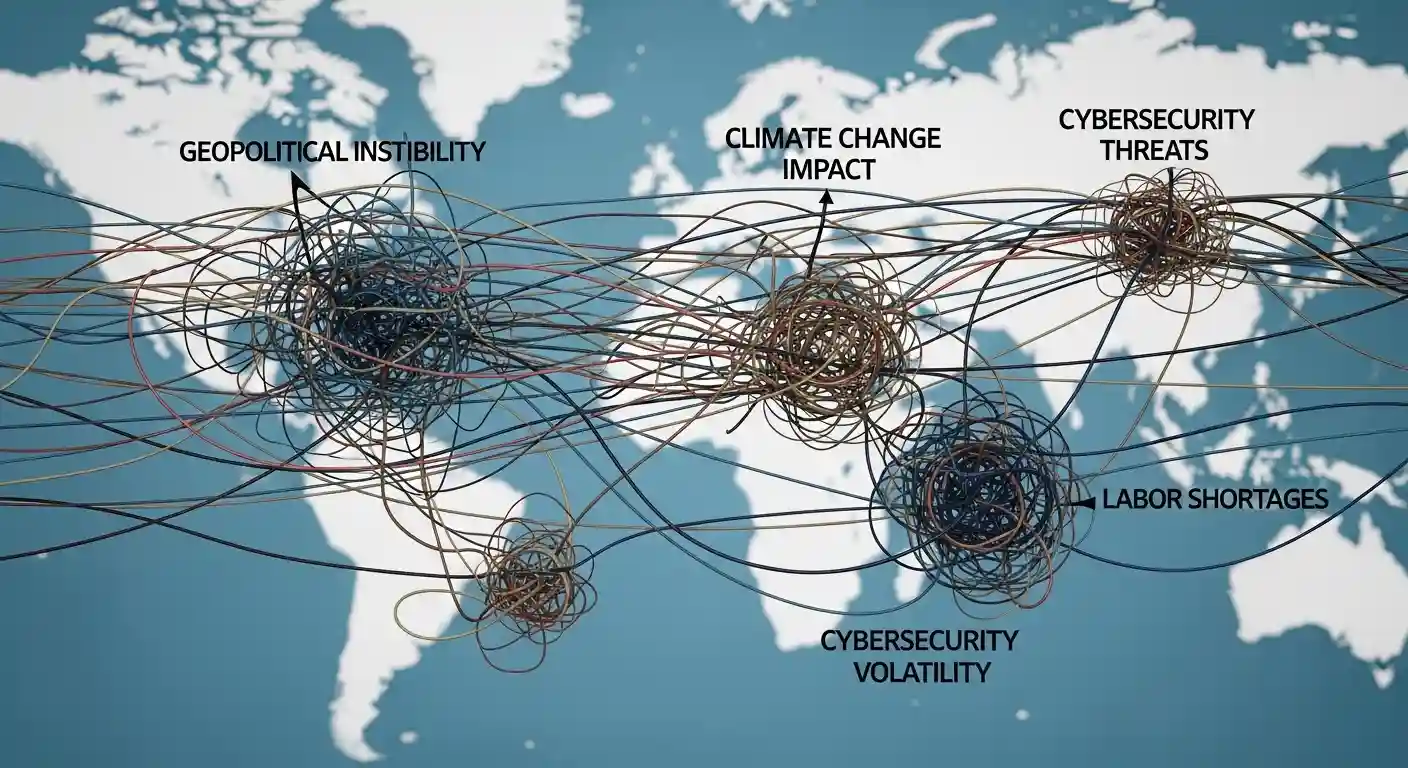
Supply chain disruptions have taught everyone hard lessons. The buyers who came through recent challenges best were those who anticipated problems and had backup plans.
Logistics and Shipping Delays
Shipping delays aren’t occasional hiccups anymore; they’re regular occurrences. Port congestion, container shortages and transportation bottlenecks can add weeks to your delivery timeline.
What makes this tricky is the unpredictability. A shipment might sail smoothly one month, then face three-week delays the next.
Price Volatility and Currency Fluctuations
Raw material prices jump around like never before. Cotton prices can swing 20% in a quarter. Synthetic fibres follow oil prices, which seem to change by the hour. Currency exchange rates add another layer of uncertainty.
Geopolitical and Trade Policy Risks
Trade policies shift fast. Tariffs get imposed. Trade agreements change. Export restrictions pop up overnight. What’s legal and economical to import today might face 25% duties tomorrow.
Buyers need to stay informed about trade regulations affecting their source countries. Diversifying your supplier base across different countries reduces your exposure to any single policy change.
Supplier Reliability and Production Capacity Issues
Not all suppliers can handle what they promise. A factory might look great on paper but struggle with large orders or quality consistency. Some suppliers overcommit, taking on more orders than their capacity allows.
Working with established textile suppliers who have proven track records in risk management makes all the difference. Consider partnering with companies that offer transparent communication and reliable delivery schedules.
Compliance and Certification Risks in Textile Manufacturing
Compliance issues can sink your business faster than almost any other risk. Countries are cracking down on textile imports that don’t meet environmental, labour, or safety standards.
Environmental Regulations and Sustainability Standards
Consumers want sustainable products. Governments want cleaner manufacturing. Both are getting serious about enforcement.
If your supplier uses harmful chemicals, dumps waste irresponsibly, or burns excessive fossil fuels, you’re exposed. Major markets now require proof of sustainable practices. OEKO-TEX certification, GOTS (Global Organic Textile Standard) and similar credentials aren’t nice-to-haves; they’re must-haves for many buyers.
Labour and Ethical Sourcing Compliance
Factory conditions matter tremendously. Buyers sourcing from facilities with poor labour practices face legal consequences, public backlash and ethical nightmares.
Countries are implementing strict due diligence laws. You need to know your supplier pays fair wages, maintains safe working conditions and doesn’t employ child labour. “I didn’t know” isn’t a defence anymore.
Certifications like WRAP (Worldwide Responsible Accredited Production) and SA8000 help verify labour standards, but nothing beats visiting facilities yourself or using third-party auditors.
Product Safety and Testing Requirements
Different markets have different safety standards. What passes inspection in one country might fail in another. For flame retardants, lead content, azo dyes and formaldehyde levels, each market sets its own limits.
Quality Control Strategies for International Textile Buyers
Quality control separates successful textile buyers from those constantly fighting fires.
Pre-Production Inspections
Catch problems before they multiply. Pre-production inspections verify that your supplier understands specifications, has the right materials and has configured machinery correctly.
This simple step prevents enormous headaches. Discovering your supplier misunderstood colour requirements after producing 50,000 units is devastating. Finding out during pre-production costs you nothing but time to correct course.
During-Production Monitoring
Don’t wait until everything’s finished to check quality. During-production inspections catch issues while there’s still time to fix them.
Visit the factory or hire local inspectors to check samples during manufacturing runs. Are colours consistent? Do measurements match specs? Is quality holding steady or declining as the run continues?
Final Random Inspections (FRI)
Before goods ship, conduct final random inspections. Pull samples from different parts of the order to verify everything meets standards.
This is your last chance to reject substandard products. It’s better to delay shipment and fix issues than to receive 10 containers of unusable merchandise.
Third-Party Testing and Certification
Independent testing labs provide unbiased quality verification. They test for durability, colorfastness, shrinkage, chemical content and safety compliance.
Yes, testing costs money. But it costs far less than accepting a shipment that fails your customer’s inspection or gets rejected at customs.
Ready to eliminate quality risks from your textile sourcing? Partner with suppliers who embrace rigorous quality control at every production stage. Contact Vigour Impex to learn how we ensure quality excellence in every order.
How to Choose Reliable Textile Suppliers for Risk Reduction
Choosing the right supplier is the single most important risk management decision you’ll make.
Verify Credentials and Certifications
Don’t take credentials at face value. Verify them. Check that certifications are current and issued by legitimate organizations. Scammers create fake certificates that look convincing until you verify them.
Ask for customer references. Talk to other buyers who’ve worked with the supplier. What was their experience? Did orders arrive on time? How did the supplier handle problems?
Assess Production Capacity and Technology
Can the supplier actually handle your volume? Visit the facility if possible. Count machines. Observe workflows. Talk to workers.
Evaluate Communication and Transparency
Communication quality predicts business quality. Suppliers who respond quickly, answer questions directly and communicate proactively make better partners.
Transparency is equally critical. Good suppliers share production updates, admit when problems arise and work collaboratively on solutions. Those who go silent when issues pop up? Run away.
Check Financial Stability
A supplier’s financial health affects your risk. Companies struggling financially might cut corners, delay production to prioritise bigger clients, or even go bankrupt before completing your order.
Start Small and Scale Gradually
Don’t bet everything on an unproven supplier. Place a small test order first. Evaluate quality, communication and reliability before committing to larger volumes.
This approach limits your exposure while you verify the supplier can deliver consistently. Successful test orders build confidence; problems identified early save you from bigger disasters.
Build Long-Term Relationships
Suppliers treat loyal customers better. Once you find reliable partners, nurture those relationships. Fair treatment, clear communication and timely payments earn you priority status when capacity gets tight.
Protecting Your Textile Sourcing Future

Risk management in textile sourcing isn’t about eliminating all risks; that’s impossible. It’s about identifying potential problems, preparing for them and choosing partners who share your commitment to quality and reliability.
The textile industry will keep evolving. New challenges will emerge. But buyers who approach sourcing strategically, verify suppliers thoroughly and maintain rigorous quality standards will continue thriving regardless of market conditions.
Smart risk management transforms textile sourcing from a gamble into a sustainable competitive advantage. Take control of your supply chain risks today and you’ll be far ahead of competitors still treating sourcing as a simple transaction.
Frequently Asked Questions (FAQs)
Q1: What are the biggest risks in international textile sourcing?
The main risks include shipping delays, quality inconsistencies, compliance violations, supplier reliability issues and price volatility. Managing these requires careful supplier selection and ongoing monitoring.
Q2: How can I verify that a textile supplier’s certifications are legitimate?
Contact the certification body directly with the certificate number. Most organisations maintain databases of certified companies. Also, request recent audit reports and verify their validity dates.
Q3: What quality control inspections should I conduct for textile orders?
Conduct pre-production inspections before manufacturing starts, during production monitoring while goods are being made and final random inspections before shipment. Third-party lab testing provides additional verification.
Q4: How do I protect against textile supply chain disruptions?
Diversify your supplier base across multiple countries, maintain safety stock, build relationships with backup suppliers and require realistic production timelines with buffer periods for unexpected delays.
Q5: Why should I choose an established textile supplier over cheaper alternatives?
Established suppliers offer proven reliability, quality consistency, proper certifications, financial stability and professional communication. The “savings” from cheaper alternatives often evaporate through quality issues, delays and compliance problems.