


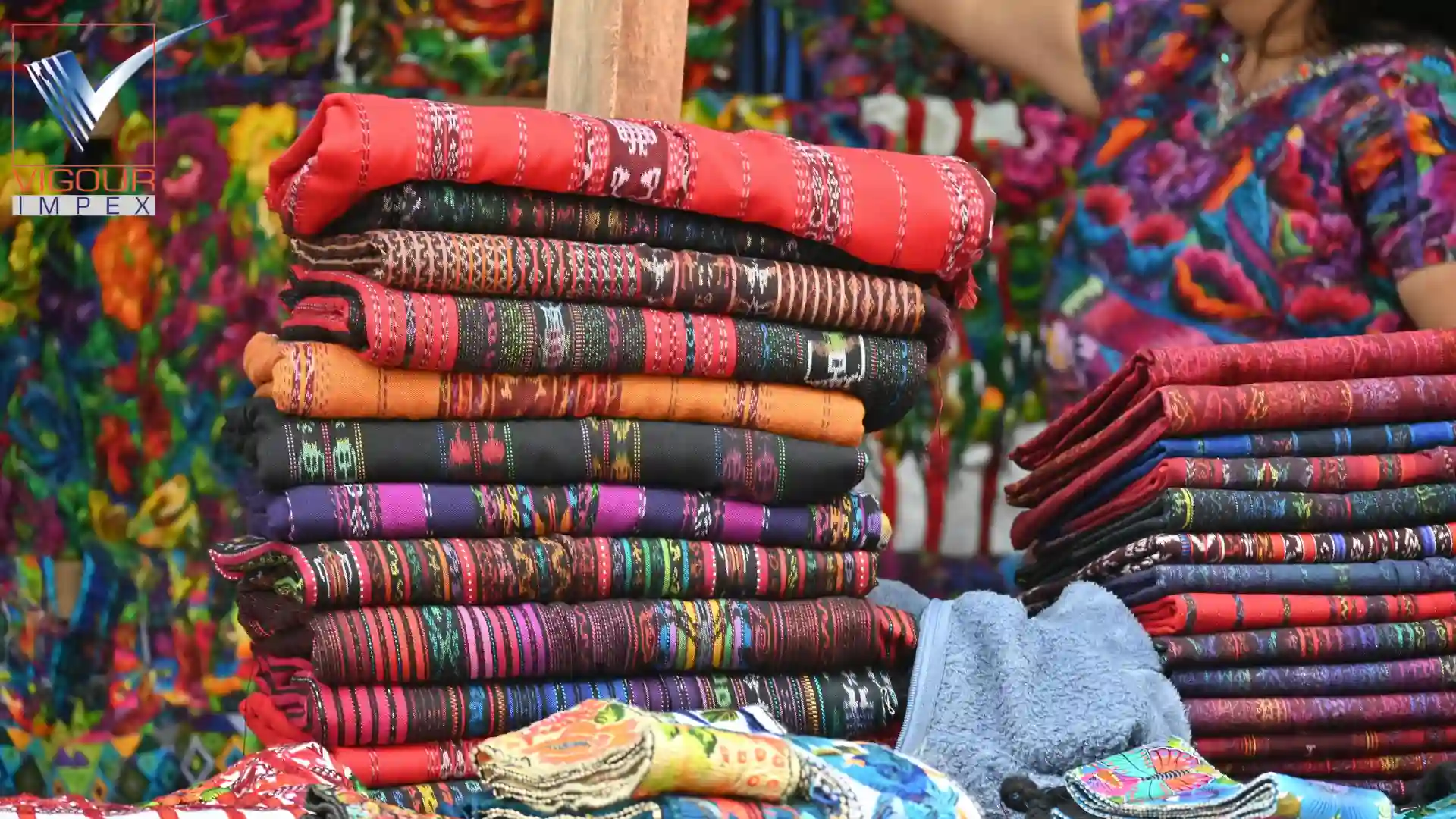
GSP+ is the EU trade scheme that lets most Importing Pakistani textiles enter the European Union duty-free and quota-free, a saving of roughly 9 to 12 percent against standard tariffs. In return, Pakistan must implement 27 international conventions and the EU reviews compliance every two years. For EU importers, GSP+ makes Pakistani textiles strongly cost-competitive.
What is GSP+ and how does it affect Pakistani textile imports?
GSP+ is the European Union’s Special Incentive Arrangement for Sustainable Development and Good Governance, a tier of the Generalised Scheme of Preferences that grants zero-duty access on most tariff lines to qualifying developing countries. Pakistan has held GSP+ status since 2014 and it is the single biggest reason Pakistani textiles compete on price in the EU. More than 85 percent of Pakistan’s exports to the EU, led by textiles and clothing, enter duty-free under the scheme. A sourcing partner such as a Pakistan-based buying house can confirm a supplier’s eligibility before you order.
For an EU importer, GSP+ changes the landed cost maths directly. A garment or towel that would carry around 12 percent duty at the standard rate enters at zero under GSP+, which often decides whether a Pakistani supplier beats a competitor in another country. Understanding how the scheme works, and how secure it is, is part of sourcing from Pakistan with open eyes.
What duty savings does GSP+ give EU importers?
GSP+ removes the EU import duty entirely on most Pakistani textile and clothing lines, turning a standard rate of roughly 8 to 12 percent into zero. The saving applies to the customs value of the goods, so on a large order it is substantial. The table below shows typical standard rates against the GSP+ rate for common categories, though the exact figure depends on the specific commodity code.
| Product category | Typical EU standard duty | GSP+ duty |
| Knit and woven apparel | Around 12% | 0% |
| Home textiles and bed linen | Around 12% | 0% |
| Terry towels | Around 12% | 0% |
| Woven cotton fabric | Around 8% | 0% |
That zero rate is the heart of Pakistan’s price advantage in Europe. It is also why any change to GSP+ matters so much to importers, since losing it would add the full standard duty back onto every shipment. The saving is real, but it is a preference, not a permanent right.
Which Pakistani textile products are covered for GSP?
GSP+ covers the great majority of Pakistan’s textile and clothing exports, which is why the country leans so heavily on the scheme. Ready-made garments, home textiles, bed linen, terry towels, hosiery, and most made-up cotton goods all enter the EU at zero duty under GSP+. Leather products, footwear, and surgical instruments are covered too, but textiles and clothing are by far the largest beneficiary. The breadth of coverage is what makes Pakistan a one-stop source for European apparel and home-textile buyers.
Coverage is defined by tariff line, not by a general label, so the eligible status of a specific product is tied to its commodity code. A supplier should be able to state the code and confirm the line is GSP+ eligible. This is the same diligence our guide to why European brands choose Pakistani textiles applies across categories.
What conditions must Pakistan meet to keep GSP+?
To keep GSP+, Pakistan must ratify and effectively implement 27 core international conventions covering human rights, labour rights, environmental protection and good governance. This is the defining feature of GSP+: the zero-duty access is conditional on demonstrable progress on those conventions, not just on economic need. The European Commission tracks implementation and publishes a public monitoring report every two years, drawing on UN bodies and civil-society input.
The conditionality is enforced, not symbolic. The Commission’s assessment of Pakistan’s compliance feeds directly into whether the preference continues, and the detail sits in the EU’s official trade relationship pages for Pakistan. For an importer, this means the supply chain’s labour and environmental compliance is not only an ethical question but a tariff one.
Is Pakistan’s GSP+ status secure or could it change after 2027?
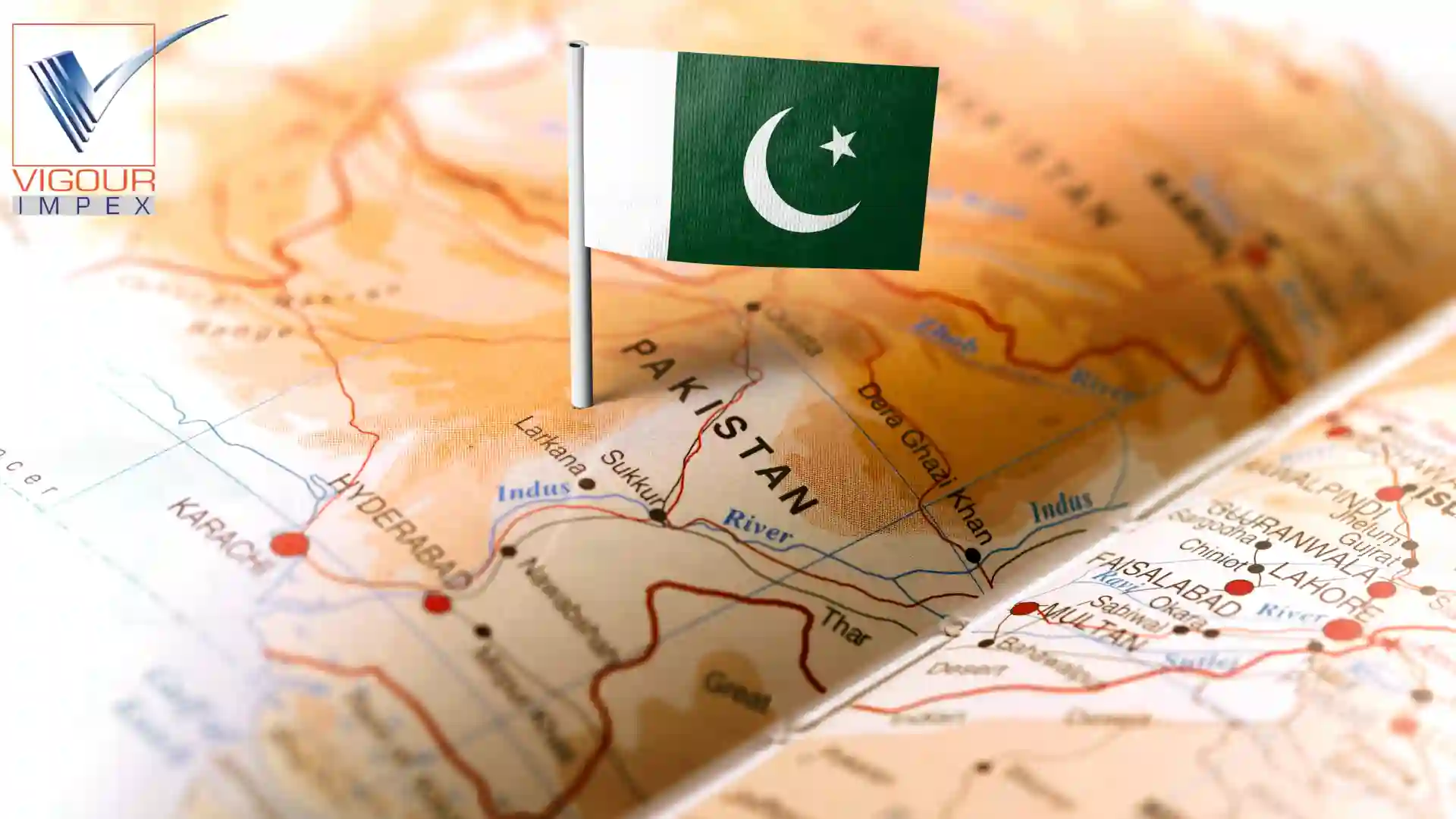
Pakistan’s GSP+ status is not guaranteed and is under active review heading into the next cycle. An EU monitoring mission assessed Pakistan in late 2025, and the resulting report will shape whether the country retains GSP+ through 2027 and into the reformed scheme for 2026 onward. Compliance gaps on the 27 conventions, or a failure to act on Commission concerns, can put the preference at risk. Prudent importers treat continued access as likely but not certain.
Competitive pressure adds to the uncertainty. A new EU-India free trade agreement is set to erode part of Pakistan’s tariff edge in European textiles, a shift our note on trade-deal impacts on Pakistani textile exports examines. None of this removes Pakistan’s advantage today, but it argues for building flexibility into a long-term sourcing plan.
How do EU importers claim the GSP+ preference?
EU importers claim the GSP+ zero rate by presenting valid proof of origin at customs, which under the current system is a statement on origin made out by a registered exporter. The Pakistani supplier must be registered in the REX system and must issue the statement on the invoice or another commercial document. The goods must also meet the GSP rules of origin, meaning they are wholly obtained or sufficiently processed in Pakistan. The checklist below covers what an importer should confirm to secure the claim.
| Requirement | What it means | Who handles it |
| REX registration | The exporter is registered in the EU REX system | Pakistani supplier |
| Statement on origin | Origin declared on the invoice or a commercial document | Pakistani supplier |
| Rules of origin met | Goods wholly obtained or sufficiently processed in Pakistan | Supplier, importer verifies |
| Eligible tariff line | The product’s commodity code is covered by GSP+ | Confirm before ordering |
Origin is where claims most often fail. Fabric and trims sourced from a third country must undergo enough processing in Pakistan to confer originating status, or the preference is lost. Confirming a supplier’s REX registration and the origin of the inputs before production is the practical step that protects the duty saving on the final shipment.
How should GSP+ shape your sourcing decisions?
GSP+ should make Pakistan a leading candidate for EU-bound textile sourcing, while also making supplier compliance a procurement priority. The zero duty is a clear cost advantage, but it depends on the supplier’s REX registration, correct origin, and the country’s continued compliance with the 27 conventions. Sourcing from a mill that documents all of this protects both the saving and the brand. Working through a vetted sourcing partner turns these checks into a standard step rather than an afterthought.
Sensible importers also plan for change. Because GSP+ is a reviewable preference and competition is rising, building a relationship with a documented, compliant Pakistani supplier now is the best hedge, since that supplier remains competitive on quality and service even if the tariff landscape shifts. The scheme is an advantage to use, not a guarantee to rely on blindly.
Sourcing GSP+ eligible textiles from Pakistan
Vigour Impex has sourced textiles for international brands since 1992, working from a panel of audited mills across the Punjab textile belt and offices in Lahore, Karachi, the UK and the UAE. For EU buyers, the team confirms tariff-line eligibility, REX registration, and origin documentation as part of vendor selection, so the GSP+ saving holds at customs. Our vendor selection and compliance service is built around exactly these checks.
Local presence is what makes the compliance real. A team that can visit the mill, verify the REX status, and trace the origin of fabric and trims closes the gaps that catch importers vetting from abroad, which is why brands across Europe source through an on-the-ground partner rather than confirming preferences blind.
Frequently Asked Questions
Does GSP+ make Pakistani textiles duty-free in the EU?
For most textile and clothing lines, yes. GSP+ grants zero EU import duty on the great majority of Pakistani textile products, replacing a standard rate of roughly 8 to 12 percent. Eligibility is defined by tariff line, so confirm the specific commodity code and the supplier’s REX registration before relying on the zero rate.
How much duty does GSP+ save on Pakistani apparel?
It typically removes around 12 percent duty on apparel, since most knit and woven clothing carries a standard EU rate near that level and GSP+ brings it to zero. The saving is calculated on the customs value of the goods, so it is significant on bulk orders and is a key reason Pakistani apparel competes in Europe.
What does Pakistan have to do to keep GSP+?
Pakistan must ratify and effectively implement 27 core international conventions on human rights, labour rights, environmental protection, and good governance. The European Commission monitors compliance and publishes a report every two years. Continued access depends on that assessment, so GSP+ is a conditional preference rather than a permanent entitlement.
Could Pakistan lose its GSP+ status?
Yes. GSP+ is reviewable, and Pakistan was assessed by an EU monitoring mission in late 2025 ahead of the next cycle. Serious compliance gaps on the 27 conventions can lead to suspension, as happened temporarily for one non-textile product. Importers should treat continued access as likely but plan for the possibility of change.
How do I prove GSP+ origin at EU customs?
Present a statement on origin issued by the Pakistani exporter, who must be registered in the REX system, and ensure the goods meet the GSP rules of origin. Inputs from a third country must be sufficiently processed in Pakistan to qualify. Confirming REX registration and input origin before production protects the claim.
Final Thoughts
GSP+ is the reason most Pakistani textiles reach the EU duty-free, saving importers roughly 8 to 12 percent against standard rates across apparel, home textiles, and towels. The preference is conditional on Pakistan implementing 27 conventions, it is reviewed every two years, and it faces new competition, so it is an advantage to use deliberately rather than assume. Confirming origin and supplier compliance is what secures the saving.
If you are sourcing EU-bound textiles from Pakistan and want the GSP+ eligibility and origin documented before you order, tell us your product and target market and the Vigour Impex team will shortlist compliant mills. Request a sourcing brief or RFQ to start with a verified, GSP+ eligible supplier.
The Vigour Impex sourcing desk has matched international apparel and home-textile brands with vetted Pakistani mills since 1992, from offices in Lahore, Karachi, the UK and the UAE. Reviewed by Awais Kashif, Director and COO, who leads vendor selection and compliance for brands across the EU and US.