


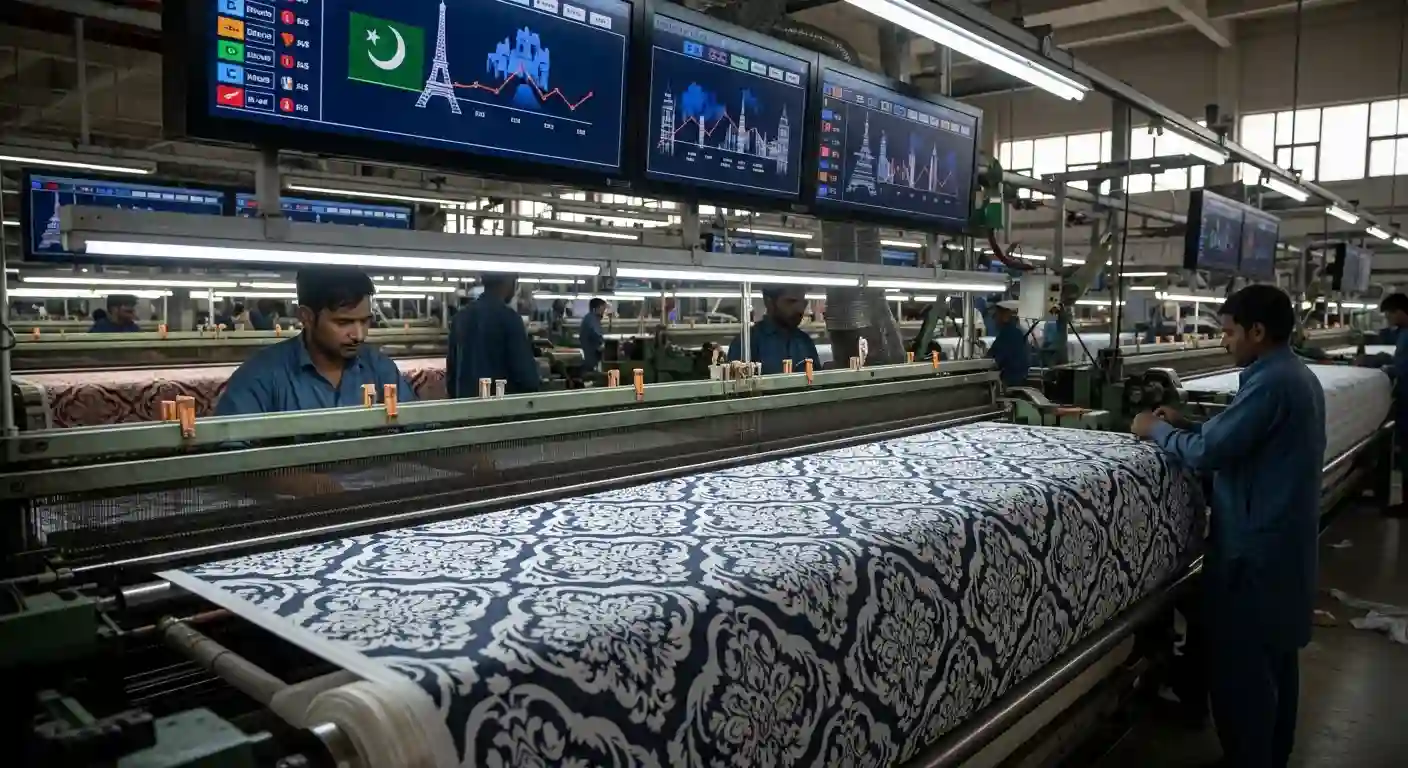
European demand is actively reshaping how Pakistan textile industry operates, plans, and competes on the global stage. Pakistan’s garment and fabric exporters are no longer just responding to orders. They are rebuilding their production systems, pricing models, and compliance frameworks around what European buyers want.
Europe is one of Pakistan’s largest and most valuable trading partners. The continent accounts for a significant share of Pakistan’s total textile and apparel exports, and that relationship is growing in complexity. European buyers are not just asking for volume. They want quality, compliance, traceability, and speed.
Why Is Europe a Critical Market for Pakistan’s Textile Industry?
Europe represents high-value orders, long-term contracts, and access to buyers who prioritize consistent quality over the lowest price. For Pakistani textile exporters, no other market offers the same combination of scale and margin potential.
The European Union is among the top three destinations for Pakistani textile goods. Categories such as bed linen, knitwear, denim, and home fabrics dominate export volumes. Under the EU’s GSP Plus scheme, Pakistani exporters benefit from reduced tariffs, making the country cost-competitive compared to peers like Vietnam, Bangladesh, and India.
Beyond tariffs, European buyers tend to place larger orders with longer lead times, giving Pakistani manufacturers better production visibility. This stability is crucial for factories that want to plan capacity, source raw materials efficiently, and invest in upgrades.
Pakistan’s textile exports to Europe benefit from GSP Plus preferential access, competitive production costs, and a growing capacity for value-added and sustainable goods that European buyers increasingly demand.
Want to know if your product range is right for European buyers? Contact Vigour Impex to explore which categories are currently in demand and where your factory fits in.
What Types of Orders Are European Buyers Placing in 2026?

European procurement patterns have shifted. Buyers are no longer placing bulk, generic orders. Instead, they are sourcing specific product categories with defined quality benchmarks, ethical requirements, and delivery timelines.
Home Textiles
Bed linen, towels and table fabrics remain Pakistan’s strongest export categories. European retailers and hospitality brands continue to source large volumes of home textiles from Faisalabad and Karachi-based manufacturers. Demand in 2026 is steady, but buyers are raising quality thresholds and pushing for faster turnaround.
Value-Added Garments
European fashion brands and private label buyers are shifting from basic garments to value-added products. This includes washed fabrics, embroidered pieces, enzyme-treated denim, and technical sportswear. Pakistani manufacturers who have invested in finishing equipment are winning more of these contracts.
Sustainable Fabric Sourcing
Organic cotton, recycled polyester blends, and GOTS-certified fabrics are no longer optional for European buyers. Several major EU retailers have committed to sourcing fully sustainable materials by 2025 to 2030. Pakistani suppliers who can offer certified sustainable inputs are moving up the preferred vendor list.
European buyers in 2026 are prioritizing home textiles, finished garments, and certified sustainable fabrics. Pakistani exporters offering traceability and quality certification are gaining a clear edge over those offering commodity goods.
How Are Pricing Pressures from Europe Affecting Margins?
European buyers are sophisticated negotiators. They benchmark Pakistan against competing sourcing destinations and use that leverage to push prices down. At the same time, Pakistan’s production costs have risen due to energy price inflation, currency pressure, and raw material costs.
This creates a margin squeeze for many exporters. Factories that rely on low-cost labor as their only competitive advantage are finding it increasingly difficult to meet European price expectations while staying profitable.
The solution most successful Pakistani exporters are applying is value addition. By offering finished and semi-finished products, custom packaging, or design-led collections, manufacturers can justify higher per-unit prices. Buyers pay more for differentiated products because they save on downstream processing costs.
Pakistani exporters can protect margins against European pricing pressure by shifting from commodity to value-added products, investing in energy efficiency, and offering services that reduce the buyer’s total sourcing cost.
Is Sustainability Now a Requirement for European Orders?
Yes. Sustainability is no longer a differentiator for European buyers. It is becoming a baseline requirement. EU policy, consumer expectations, and retailer commitments have collectively made ESG compliance a condition of doing business, not a bonus.
ESG Compliance
The EU Corporate Sustainability Due Diligence Directive (CS3D) is pushing European brands to audit their entire supply chain. Pakistani suppliers are expected to demonstrate fair labor practices, safe working conditions, and responsible environmental management. Factories without documentation will be dropped from preferred vendor lists.
Organic Cotton
Demand for GOTS-certified organic cotton goods is rising sharply. European buyers in home textiles and apparel are specifying organic inputs because their retail customers expect it. Pakistani ginners and spinners who can supply certified organic cotton are seeing stronger order inquiries.
Traceability
European brands need to trace where their fabric comes from. Digital tools, blockchain-based tracking, and third-party audits are being introduced across supply chains. Pakistani manufacturers who invest in traceability systems are better positioned to win long-term contracts with premium European buyers.
Sustainability compliance is now a threshold condition for accessing premium European buyers. Pakistani exporters without ESG documentation, certified materials, or traceability systems risk losing contracts to competitors who have invested in these areas.
How Are European Demand Patterns Influencing Production Planning in Pakistan?
European buyers are demanding shorter lead times and more flexible order quantities. This is pushing Pakistani manufacturers to rethink how they organize production and manage inventory.
Traditionally, Pakistani textile factories were optimized for large-batch, long-cycle production. European fast fashion and mid-market brands now want smaller batches delivered more frequently. This requires a shift toward lean manufacturing, modular production lines, and better demand forecasting.
Seasonal buying patterns in Europe are also influencing when Pakistani factories are busy. Winter collections, summer basics, and seasonal home textile ranges create predictable demand peaks. Smart exporters are using this predictability to plan raw material procurement and capacity allocation in advance.
The most competitive Pakistani factories are investing in ERP systems, production tracking software, and sample development capabilities. These investments allow them to respond faster to buyer inquiries and reduce the time from order placement to shipment.
What Risks Could Impact European Textile Orders?
While European demand remains a strong opportunity, several risks could disrupt order flow and affect Pakistani exporters in 2026 and beyond.
| Risk Factor | Impact Level | Mitigation Strategy |
| European recession | High | Diversify to Middle East and Asia |
| Energy cost spikes | Medium | Invest in solar and efficient machinery |
| CBAM regulatory changes | High | Begin compliance tracking now |
| Currency fluctuation | Medium | Lock in forward contracts where possible |
| Buyer payment delays | Low-Medium | Use export credit insurance |
Recession concerns in major European economies are the most immediate risk. Germany and several other EU economies have shown signs of slow growth. If consumer spending declines, European retailers reduce orders quickly, and Pakistani factories absorb the impact through lower utilization and delayed payments.
Energy costs in Pakistan remain a structural concern. Factory owners report that electricity tariffs have risen sharply, reducing cost competitiveness. This directly affects the ability to offer competitive quotes to European buyers who are already applying price pressure.
Is your factory ready for European compliance requirements? Vigour Impex helps Pakistani manufacturers assess their readiness, identify gaps, and connect with the right buyers. Reach out before your competitors do.
What Opportunities Exist for Pakistani Exporters?
Despite the challenges, European demand creates real and growing opportunities for Pakistani textile manufacturers who are willing to invest, adapt, and build relationships.
Value Addition
Moving up the value chain is the single most effective strategy for Pakistani exporters. Buyers pay more for finished goods with consistent quality, custom branding, and quick turnaround. Factories that can offer design-to-delivery services are replacing multiple vendors for European buyers looking to simplify their supply chain.
Private Label Manufacturing
European retailers are expanding their private label ranges. These programs require a manufacturing partner who can produce consistently, maintain quality standards, and keep designs confidential. Pakistani factories with strong quality management systems are winning private label contracts that offer stable, multi-season order volumes.
Long-Term Contracts
Some European buyers are actively reducing the number of suppliers they work with and signing longer-term agreements with trusted partners. This creates an opportunity for Pakistani manufacturers to pitch for preferred vendor status. Being on a short vendor list means priority access to orders even during periods of weak demand.
What Should Manufacturers Do to Stay Competitive?
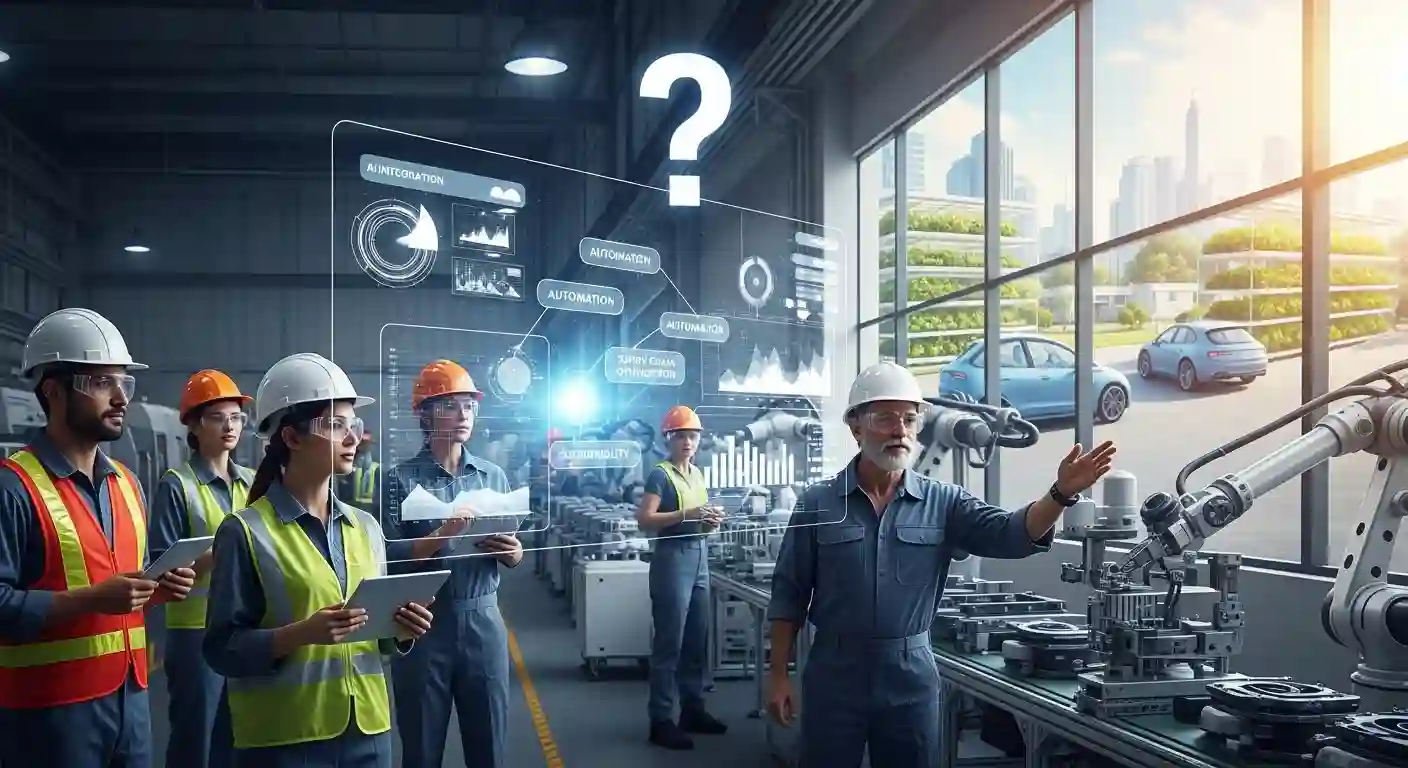
Staying competitive in the European market requires a clear strategy, not just better production. Manufacturers who focus only on cutting costs will eventually be outcompeted by lower-cost regions. The manufacturers who win in the long term are those who offer something that cannot be easily replicated.
Start with compliance. Get your factory audited against international standards such as OEKO-TEX, GOTS, or ISO 9001. These certifications are not just marketing tools. They are prerequisites for doing business with tier-one European buyers.
Invest in your people. European buyers conduct on-site audits and care deeply about labor conditions. Factories with trained workers, fair wages, and clean facilities consistently outperform those that cut corners on human resources.
FAQs
What percentage of Pakistan’s textile exports go to Europe?
Europe accounts for approximately 25 to 30 percent of Pakistan’s total textile and apparel exports. The EU is consistently among the top two or three export destinations, with Germany, the UK, the Netherlands, and Spain being the largest individual markets.
Is Pakistan losing European orders to Bangladesh or Vietnam?
Competition is real, but Pakistan holds specific advantages. In home textiles and bed linen, Pakistan dominates. In apparel, Bangladesh is more competitive on basic garments. However, Pakistan is gaining ground in value-added categories where quality and finishing matter more than price alone.
What certifications do European textile buyers require from Pakistan?
The most commonly requested certifications include GOTS for organic textiles, OEKO-TEX Standard 100 for chemical safety, ISO 9001 for quality management, and BSCI or SEDEX for social compliance auditing. Some buyers also require Carbon Trust verification for sustainability claims.
How can small Pakistani exporters compete for European orders?
Small manufacturers can compete by specializing in niche products, forming export cooperatives to meet minimum order quantities, and targeting mid-market European buyers who are less focused on price than on reliability. Getting certified and building an online presence with a professional product catalog also helps attract European buyer inquiries.
Will EU trade regulations affect Pakistan’s GSP Plus access?
Pakistan’s GSP Plus access is periodically reviewed by the European Commission based on compliance with international conventions on labor rights, environment, and governance. Continued access requires meeting these conditions. Exporters are advised to follow developments in EU trade policy through Pakistan’s Trade Development Authority for timely updates.
Ready to Start Exporting to Europe?
Vigour Impex connects Pakistani textile manufacturers with verified European buyers. We handle compliance guidance, buyer introductions, and long-term contract support. Contact our team today at vigourimpex.com and take the first step toward securing your European market position.