
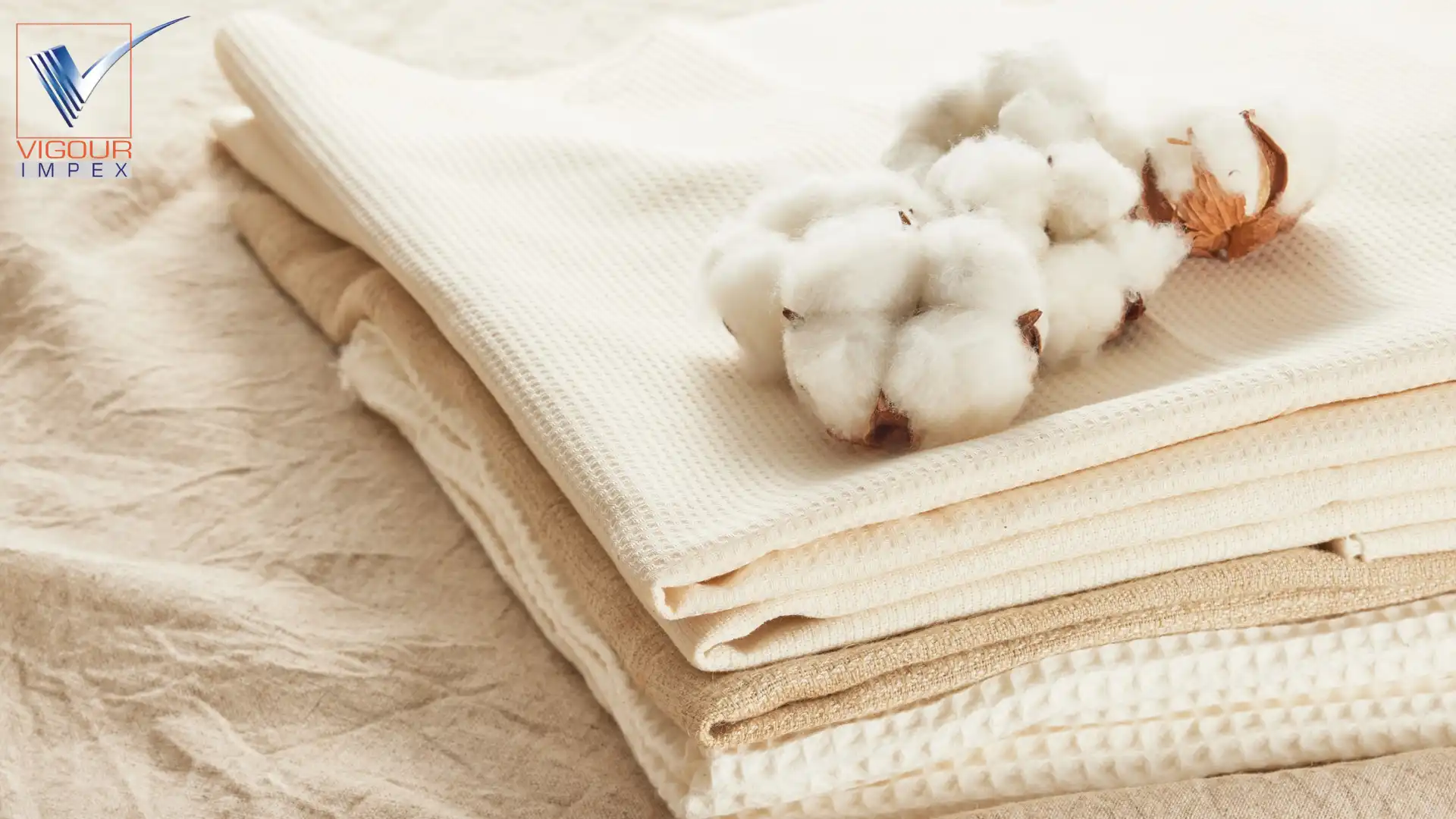
Yes, Pakistani suppliers can deliver GOTS-certified organic cotton, and many already do. Pakistan has a sizeable organic cotton base and a growing roster of GOTS-certified spinning, knitting, and processing mills. The real risk for a buyer is not capability but verification: you must confirm a valid scope certificate and a transaction certificate, not just a logo on a website.
Can Pakistani suppliers deliver GOTS-certified organic cotton?
Pakistani suppliers can and do deliver GOTS-certified organic cotton, supported by certified mills across the Punjab textile belt and one of the larger organic cotton acreages in the world. The capability exists at fibre, yarn, fabric and garment stages, so a buyer can source a fully certified supply chain inside the country. What separates a genuine supplier from a marketing claim is documentation, not capacity. A vetted sourcing partner confirms that documentation before any order ships.
The honest caveat is that certification is uneven across the market. Some suppliers hold full GOTS scope certificates, others sell conventional cotton as organic, and others let certificates lapse. The country can deliver; the individual supplier must prove that it does. Treating every organic claim as unverified until the paperwork checks out is the discipline that protects a first order.
What is GOTS certification?
GOTS, the Global Organic Textile Standard, is the leading certification for organic fibres, covering both environmental and social criteria from harvesting to labelling. A GOTS label grade requires at least 95 percent certified organic fibres, while the made-with-organic grade requires at least 70 percent. The standard also restricts chemical inputs and sets wastewater and labour requirements, so it certifies a whole supply chain rather than a single fibre. The full criteria are published by the Global Organic Textile Standard.
Two documents carry the proof. A scope certificate shows that a facility is certified for specific processes and products, and a transaction certificate shows that a specific shipment is genuinely certified organic. A supplier with a scope certificate but no transaction certificate for your order has not proven that the goods you are buying are organic.
Does Pakistan actually grow and process organic cotton?
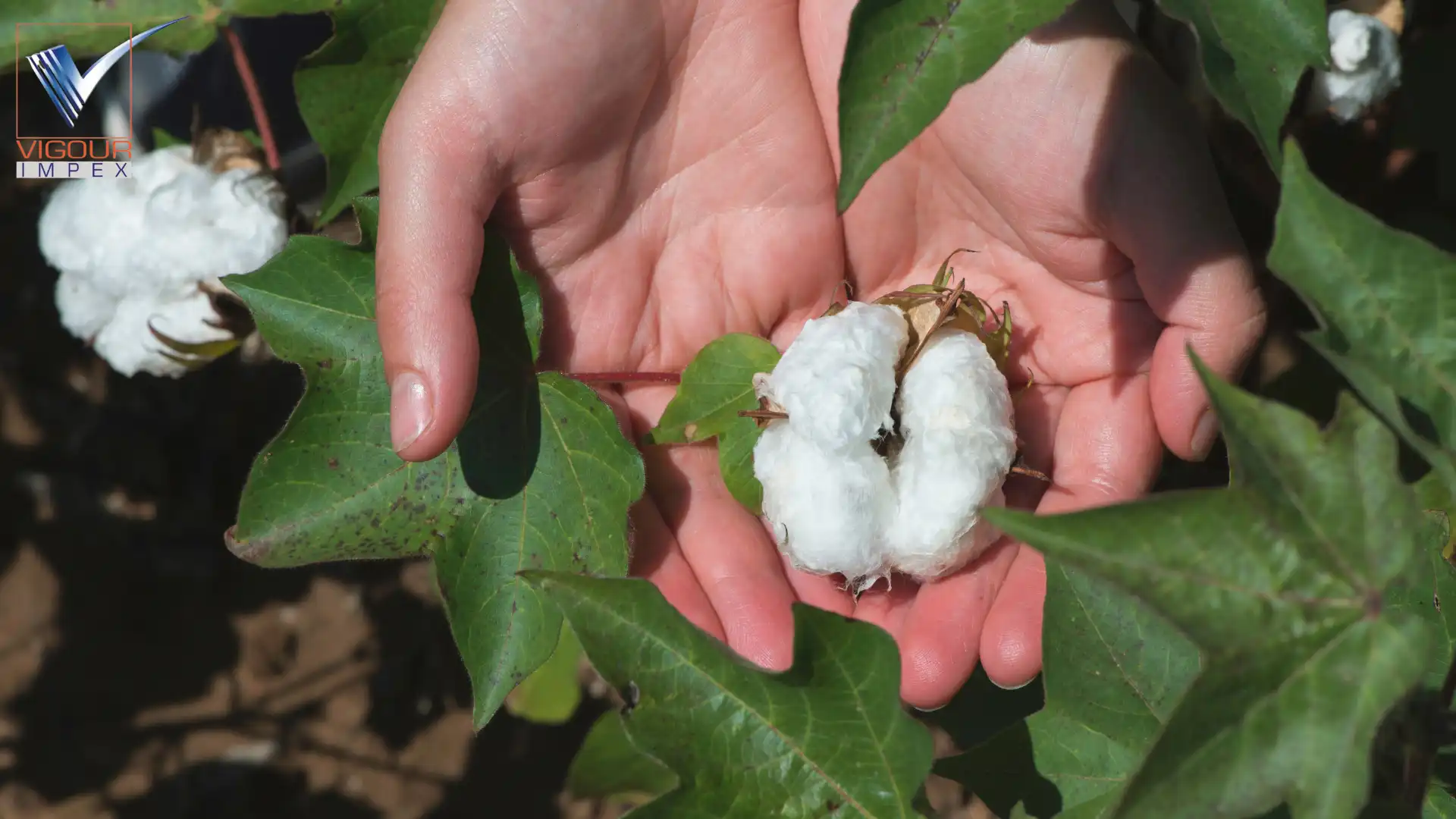
Pakistan grows organic cotton at scale and processes it through certified mills, making it one of the more established organic cotton sources outside India. Organic cultivation is concentrated in Punjab and parts of Sindh, feeding GOTS-certified ginning, spinning, and processing units that supply European and US brands. The infrastructure is real, not aspirational, which is why global buyers already source certified organic cotton here.
That said, organic is a small share of Pakistan’s total cotton, so supply is finite and demand-sensitive. Lead times and minimums for genuinely certified organic cotton differ from conventional, and a buyer should plan for that rather than assume unlimited availability. The growth in certified capacity is real, as our note on organic cotton in home textiles explains, but it is still a specialised supply.
How do you verify a supplier’s GOTS claim?
Verify a GOTS claim by checking two certificates against the certifier and the public database, not by trusting a logo. Ask for the supplier’s current scope certificate, confirm it lists the processes and products you are buying, and check that it is valid on the certifier’s records. For the order itself, require a transaction certificate that ties your specific shipment to certified organic material.
The table below separates the two documents so you ask for the right proof at the right stage.
| Document | What it proves | When you need it |
| Scope certificate (SC) | The facility is GOTS-certified for set processes | During supplier vetting |
| Transaction certificate (TC) | A specific shipment is certified organic | For each order before payment |
| Certifier and licence number | The certificate is issued by an approved body | To validate both SC and TC |
What can go wrong with organic claims?
The most common failures are uncertified cotton sold as organic, expired certificates, and a scope certificate offered in place of a transaction certificate. Some suppliers blend conventional and organic fibre without disclosure, and others present a certificate belonging to a different facility in their group. Each of these passes a quick glance and fails a real check, which is why verification has to be deliberate.
Price is a useful signal here. Certified organic cotton carries a real premium over conventional, so an organic quote at conventional prices is a warning rather than a bargain. Confirming the certifier, the validity dates, and the transaction certificate for your lot, the checks built into a vendor selection service, removes nearly all of this risk before money moves.
GOTS vs OCS vs BCI: which is which?
GOTS, OCS, and BCI are often confused, but they certify different things. GOTS certifies organic content plus environmental and social processing criteria. OCS, the Organic Content Standard, verifies organic fibre content and chain of custody but not the processing criteria GOTS adds. BCI, the Better Cotton Initiative, promotes more sustainable conventional cotton and is not an organic standard at all.
The comparison below clarifies the distinction, which matters because a brief that says organic but accepts BCI will not deliver organic cotton. Pairing GOTS with a chemical-safety standard such as OEKO-TEX is common for EU buyers, and you can validate the latter through OEKO-TEX Standard 100.
| Standard | What it certifies | Organic? |
| GOTS | Organic content plus processing, chemical, and social criteria | Yes |
| OCS | Organic fibre content and chain of custody | Yes (content only) |
| BCI | More sustainable conventional cotton | No |
What does GOTS organic cotton cost versus conventional?
GOTS organic cotton typically costs a meaningful premium over conventional, driven by lower yields, certification overhead, and segregated handling through the supply chain. The exact premium moves with crop and demand, but a buyer should expect to pay more and to meet minimum order quantities suited to a specialised supply. Building that into the costing avoids the surprise that derails first organic orders.
The premium buys a verifiable claim, not just a fibre. For brands marketing organic credentials to CSRD-regulated EU customers or UFLPA-scrutinised US importers, the documentation is the asset, which is why the cost is best judged against the value of a defensible claim. Sourcing eco-certified material well is a process we detail in our guide to sourcing eco-friendly fabrics from Pakistan.
Securing verified GOTS cotton with a buying house
A buying house secures verified GOTS cotton by vetting certificates, auditing facilities, and tying each shipment to a transaction certificate before it leaves Pakistan. Vigour Impex has sourced for international brands since 1992, working from a panel of audited mills and confirming scope and transaction certificates as a standard step rather than an afterthought. The buyer receives certified material and the paperwork to prove it. Our vendor selection and quality service is built around exactly this verification.
On-the-ground presence is what makes the check real. A team that can visit the mill, witness segregation, and pull the certifier records closes the gap that catches buyers vetting organic claims from abroad, which is why brands across the US, UK, and EU source certified cotton through a local partner.
Frequently Asked Questions
Is Pakistani organic cotton actually GOTS certified?
Much of it is. Pakistan has a sizeable organic cotton base and a growing number of GOTS-certified spinning, knitting, and processing mills. The capability is real across the supply chain. The risk is the individual supplier, not the country, so you must verify each one’s certificates rather than trust a logo.
How do I verify a GOTS certificate?
Ask for the supplier’s scope certificate, confirm it covers the processes and products you are buying, and check it is valid on the certifier’s records. For each order, require a transaction certificate that ties your specific shipment to certified organic material. Verify the certifier and licence number on both documents.
What is the difference between GOTS and OCS?
GOTS certifies organic fibre content plus environmental and social processing criteria, so it covers the whole supply chain. OCS, the Organic Content Standard, verifies organic fibre content and chain of custody but not the processing criteria GOTS adds. BCI is not an organic standard at all.
Is GOTS organic cotton more expensive than conventional?
Yes. Organic cotton carries a real premium over conventional, driven by lower yields, certification overhead, and segregated handling. Expect to pay more and to meet minimum order quantities suited to a specialised supply. An organic quote at conventional prices is a warning sign, not a bargain.
Can I trust a GOTS logo on a supplier’s website?
Not on its own. A logo is not proof. Some suppliers display certificates belonging to another facility, or let them lapse, or sell conventional cotton as organic. Always validate the certificate number with the certifier and require a transaction certificate for your specific order before you pay.
Final Thoughts
Pakistani suppliers can deliver GOTS-certified organic cotton, with real certified capacity across the supply chain. The decisive factor is verification, not capability: confirm a valid scope certificate, demand a transaction certificate for your lot, check the certifier, and expect a genuine organic premium. Do that and a Pakistani organic cotton order becomes a defensible claim rather than a risk.
If you want certified organic cotton sourced and verified on the ground, tell us your product, certification target, and volume, and the Vigour Impex team will shortlist GOTS-certified mills and confirm the paperwork. Request a sourcing brief or RFQ to start with verified organic supply.