



In the fast-paced world of fashion and home textiles, the United States remains one of the most lucrative markets for apparel brands and retailers. However, the path from a textile mill in Pakistan or China to a warehouse in Los Angeles or New York is riddled with complexities that can sink a business before the first garment is even sewn. For many growing brands, fabric sourcing and importation are not just logistical hurdles; they are the biggest sources of financial stress.
Imagine spending months designing a collection, only to have your fabric shipment seized at the border because of a missing chemical test, or discovering that the “100% cotton” you ordered is actually a synthetic blend that triggers higher tariffs. These aren’t just hypothetical scenarios. In 2025, mid-sized buyers faced average losses of $1.2 million due to sourcing blunders.
This guide is designed to navigate the intricate maze of U.S. customs, quality assurance, and supplier management. Whether you are a startup designer or a scaling retailer, working with a trusted partner like Vigour Impex can bridge the gap between global manufacturers and U.S. compliance standards. Let’s dive into how you can import fabric to the USA without making the costly mistakes that stall growth.
The Foundation: Understanding the U.S. Import Landscape
Importing textiles into the USA is not as simple as clicking “buy” on an international website. The U.S. government, through Customs and Border Protection (CBP), enforces strict rules regarding fiber content, flammability, and country of origin.
Why Sourcing Mistakes Sting More Today
The textile industry is currently a $1.3 trillion market with razor-thin margins. In 2026, the stakes are even higher due to tightening sustainability laws and volatile shipping costs. A single error in an HS code (Harmonized System code) can result in red-flag inspections or fines that wipe out your entire profit margin.
The Regulatory Framework
The U.S. has specific regional requirements that every importer must understand:
- Textile Fiber Products Identification Act: Requires exact fiber composition (e.g., 80% cotton, 20% polyester).
- CPSC Compliance: The Consumer Product Safety Commission enforces flammability standards and lead-free dye requirements, especially for children’s wear.
- Country of Origin Marking: Every shipment must clearly state where the fabric was produced.
Phase 1: Strategic Sourcing and Supplier Vetting
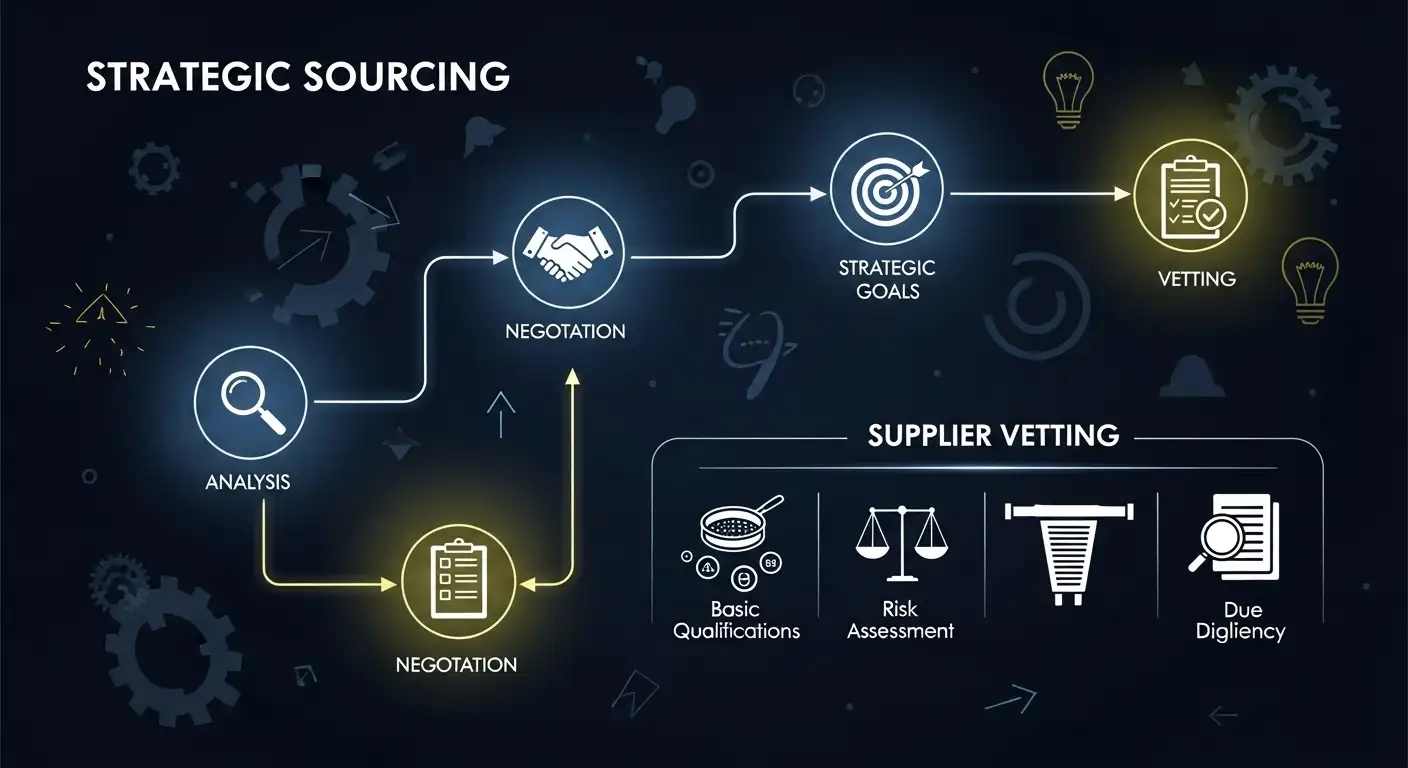
The most critical step in avoiding import mistakes is selecting the right supplier. Many brands fall into the trap of chasing the lowest price, only to face product recalls or poor quality that destroys customer trust.
The Risk of the “Cheapest Quote”
Low prices often hide low quality. In 2025, approximately 15% of product recalls were tied to fabric defects. When a price seems too good to be true, it often means the supplier is cutting corners on labor ethics, chemical safety, or material strength.
How Vigour Impex Mitigates Risk
Vigour Impex acts as a strategic sourcing partner, particularly for those looking to leverage Pakistan’s robust textile market. Pakistan is a leader in cost-effective production and growing sustainability standards like GOTS and OEKO-TEX. By working with a partner like Vigour Impex, importers gain access to a vetted network of factories that prioritize quality assurance (QA) from the yarn stage to final packaging.
Checklist for Vetting Suppliers
Before signing a contract, ensure your supplier meets these criteria:
| Supplier Qualification | Why It Matters |
|---|---|
| ISO 9001 Certification | Ensures consistency in manufacturing processes. |
| OEKO-TEX / GOTS | Guarantees the fabric is free from harmful chemicals and meets eco-standards. |
| Export Experience | At least 3 years of experience shipping specifically to the USA. |
| Sample Availability | Willingness to provide lab dips and production samples for testing. |
Phase 2: Mastering Documentation and HTS Codes
The fastest way to get your fabric stuck in a “customs black hole” is to submit incorrect paperwork. Most customs delays are entirely avoidable with proper preparation.
The Power of the HS Code
The Harmonized System (HS) code determines your tariff rates. One wrong digit can trigger higher duties or automatic inspections. For example, 100% cotton woven fabric has a different code than a polyester-cotton blend. If you guess, you risk fines or complete shipment rejections.
Essential Documentation for U.S. Imports
Your documentation hub should be digital and triple-checked for accuracy. According to Vigour Impex’s expert standards, a compliant invoice must contain:
| Document Field | Required Information |
|---|---|
| Commercial Invoice | Must include GSM, fiber %, and final intended use. |
| Packing List | Detailed breakdown of every carton and roll. |
| Certificate of Origin | Crucial for trade agreements and duty calculations. |
| MSDS/Safety Certs | Required for dyed or chemically treated fabrics. |
Phase 3: Quality Assurance vs. Quality Control
In the global textile trade, relying on Quality Control (QC) is reactive, it tells you there is a problem after the fabric is already made. To import successfully, you need Quality Assurance (QA), which is the systematic prevention of defects throughout the production cycle.
The QA Stages
Leading sourcing companies like Vigour Impex implement a multi-stage QA process:
- Raw Material Checks: Testing yarn strength and fiber composition before weaving begins.
- In-Process Inspections: Monitoring the looms for mispicks or shade variations during weaving and dyeing.
- Pre-Production Approvals: Lab dips and fabric swatches must be approved by the buyer to confirm colour and weight.
- Final AQL Audits: Final inspections based on Acceptable Quality Level (AQL) standards for stitching, finishing, and labeling.
Testing for the U.S. Market
Fabric intended for the USA must undergo specific lab tests. Skipping these is a “penny-wise, pound-foolish” mistake. A $100 lab test can prevent a $20,000 shipment rejection.
- Shrinkage: Ensure the fabric doesn’t contract more than 3-5% after washing.
- Colorfastness: Testing how well dyes hold up against light, washing, and rubbing.
- GSM Accuracy: Verifying the grams per square meter matches your specs to ensure the weight is correct for your garment type.
Phase 4: Navigating Logistics and “Hidden” Costs
Many importers only look at the FOB (Free on Board) price. However, the true cost of importing includes several layers that can erode your margins if not budgeted correctly.
The True Cost of Importation
| Cost Category | Estimated Impact |
|---|---|
| FOB Fabric Cost | The base price of the material. |
| Shipping Fees | Air freight is faster but can cost 4-6x more than sea freight. |
| Customs Duties | Generally 5-12% but varies wildly by fiber and HTS code. |
| Port Storage Fees | Can cost $100–$250 per container per day if stuck at customs. |
Logistics Strategies
Work with a freight forwarder who understands textile logistics. They can help with a Pre-Clearance Strategy, where documents are submitted for review before the cargo even lands in the USA, significantly speeding up release times.
Phase 5: Ethics and Sustainability Compliance
In 2026, ethical sourcing is no longer optional. U.S. consumers and regulators are increasingly focused on labor practices and environmental impact.
Labor Ethics
Brands like H&M and others have taken significant hits for labor violations in their supply chains. Skipping due diligence on a factory’s labor standards is a gamble with your brand’s reputation. Look for SA8000 or Fair Trade certifications to ensure ethical compliance.
Sustainability Trends
Sustainability is a major driver in the U.S. market. Importing fabrics like organic cotton, recycled polyester, or Tencel can give your brand a competitive edge. Vigour Impex prioritizes sustainable goods, which now make up a growing slice of Pakistan’s $4.5 billion textile export market.
Avoiding Common “Beginner” Mistakes
Even seasoned importers fall into these traps. Here is a summary of what to avoid:
- Sticking to One Supplier: Relying on a single factory is dangerous. If they go offline due to a strike or power issue, your production stops.
- Skipping Modern Tech: Using manual spreadsheets increases error rates. Leverage ERP systems or sourcing platforms to track orders in real-time.
- Vague Spec Sheets: Phrases like “soft cotton” mean nothing to a factory. Use technical specs: “100% combed cotton, 160 GSM, reactive dye”.
- Ignoring Supplier Holidays: Chinese New Year or Eid can shut down factories for weeks. Plan your sourcing 3–6 months in advance to account for these windows.
Conclusion
Importing fabric to the USA is a high-stakes endeavour that requires a blend of technical knowledge, proactive quality management, and strong supplier relationships. By prioritizing quality over the lowest price, mastering your HTS codes and implementing a rigorous quality assurance system, you can eliminate 90% of the potential issues before your shipment even leaves the port.
Partners like Vigour Impex provide the local expertise and independent QA frameworks necessary to bridge the gap between international manufacturing and U.S. retail excellence. With 30 years of experience, they ensure that your shipments arrive exactly as promised ready to be transformed into the next best-selling collection.
Stop viewing customs and compliance as a headache, and start seeing them as your competitive advantage. When your supply chain is reliable, your brand is unstoppable.
FAQs
1. How do I know if my fabric needs specific flammability testing for the U.S.?
Most apparel fabrics must meet the Flammable Fabrics Act standards. If you are importing children’s sleepwear or specific synthetic blends, the requirements are even stricter. Always ask your supplier for a CPSC-compliant lab test report before shipping.
2. Can I negotiate lower Minimum Order Quantities (MOQs)?
Yes. Many manufacturers are flexible if you commit to a long-term relationship or if you are willing to pay a premium for smaller runs. Partnering with other small brands to “pool” orders is another common strategy.
3. What is the biggest cause of fabric shipments getting stuck at U.S. Customs?
The most common causes are missing or incorrect documentation, specifically mismatched HS codes and missing fiber composition details on the commercial invoice.
4. Is it better to source fabric domestically or internationally for a growing U.S. brand?
Domestic sourcing offers faster delivery and easier communication but often at a 20% higher cost. International sourcing, particularly from hubs like Pakistan through partners like Vigour Impex, provides lower prices and a much larger variety of custom fabrics.
5. Why should I use a sourcing agent instead of contacting a factory directly?
For small to mid-sized brands, a sourcing agent like Vigour Impex simplifies communication, manages quality assurance independently from the factory, and lowers the risk of getting “ghosted” or receiving sub-par goods.