


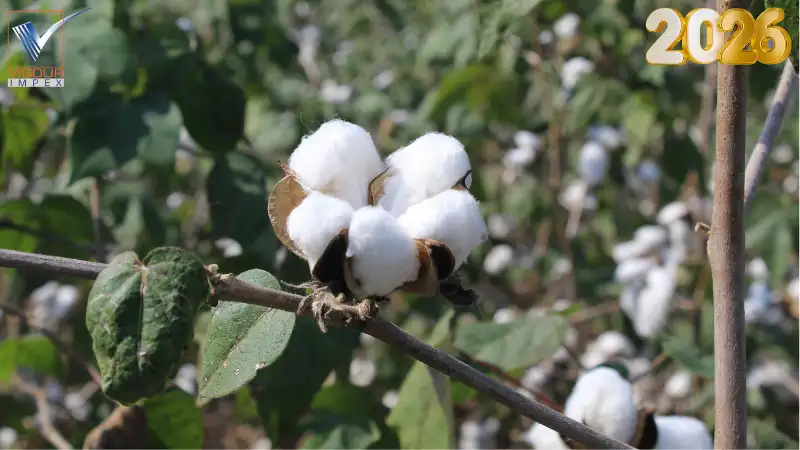
Cotton sustainability in 2026 is no longer a CSR talking point. It is a procurement requirement. UK and EU importers are being asked to prove the sustainability of their supply chains, not just declare it.
Regulatory pressure from the EU Green Deal, UK Modern Slavery Act obligations, and retailer sustainability mandates have moved sustainability from the marketing deck into the purchase order. Buyers who cannot demonstrate traceable, certified sourcing are losing contracts to those who can.
This article covers what is driving the shift, which sustainability standards matter most to UK buyers in 2026, and how textile exporters can position themselves to win more business by getting ahead of compliance requirements.
Sourcing sustainable textiles for the UK or EU market? Vigour Impex works with certified mills supplying organic cotton, BCI cotton, and GOTS-verified fabrics. See our sustainability commitments at vigourimpex.com/sustainability.
Why Cotton Sustainability Is a Strategic Priority in 2026
Three converging forces have made cotton sustainability a business-critical issue for UK textile importers in 2026.
ESG pressure from UK and EU regulations is the biggest driver. The EU Corporate Sustainability Due Diligence Directive (CS3D) requires brands to audit and report on supply chains, including raw material sourcing. UK retailers are passing these requirements down to suppliers.
Retailer compliance has also tightened. Major UK supermarkets, department stores, and fashion brands now demand sustainability certifications as a condition of supplier approval. Non-certified suppliers are often excluded from vendor shortlists.
Additionally, carbon reduction commitments under net zero pledges require measurable Scope 3 emissions reductions. Sustainable cotton sourcing has become a key part of meeting these targets, as cotton farming and processing are major emission sources.
In 2026, UK textile importers face sustainability requirements from three directions simultaneously: government regulation, retailer mandates, and ESG investor pressure. Meeting all three requires documented, certified sustainable sourcing, not just good intentions.
The Rise of Organic and Regenerative Cotton
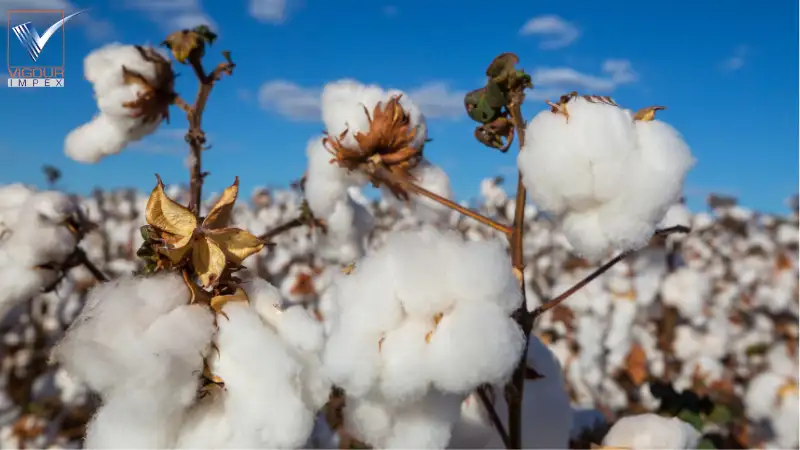
Organic cotton demand from UK importers has grown steadily over the past four years. GOTS-certified organic cotton fabric and yarn is now a standard requirement in mid-to-premium retail programs across clothing, home textiles, and childrenswear.
Regenerative cotton goes further. While organic certification focuses on excluding harmful inputs, regenerative agriculture actively restores soil health, water retention, and biodiversity. UK buyers for premium and eco-focused brands are increasingly demanding regenerative credentials alongside organic certification.
This rise in UK import demand is driven by consumer awareness campaigns and certified product labeling. Major UK retailers report that certified organic and BCI cotton products command premium pricing and generate fewer returns, strengthening the business case for sustainable sourcing.
For UK buyers looking to source certified organic or BCI cotton textiles, Vigour Impex’s fabric range includes certified sustainable options from verified Pakistani mills.
Organic and regenerative cotton demand from UK importers is growing because it addresses both compliance requirements and consumer preferences. GOTS certification is the baseline; regenerative credentials are becoming the premium tier differentiator.
Recycled Cotton and Circular Textile Production
Recycled cotton is gaining strong traction in 2026, driven by circular fashion commitments from major UK and EU retailers. It includes post-consumer recycled cotton (from end-of-life garments) and post-industrial recycled cotton (from factory cutting waste and yarn offcuts).
Mechanical recycling physically tears and re-cards fibers. It is cost-effective but shortens fiber length, limiting use to blended yarns and lower-grade fabrics. Chemical recycling dissolves and rebuilds fibers, preserving length and quality at a higher cost. Both methods are expanding rapidly in Pakistan’s textile sector.
The Global Recycled Standard (GRS) is the main certification required by UK buyers for recycled cotton products, especially for brands making recycled content claims.
Recycled cotton is moving from niche to mainstream in UK textile sourcing. Buyers should specify whether they require post-consumer or post-industrial recycled content and confirm GRS certification before committing to bulk orders.
Need certified sustainable fabric or yarn for your next order? Vigour Impex supplies OEKO-TEX and GOTS-certified textiles from verified Pakistani mills. Browse our fabric range [vigourimpex.com/fabric] or our yarn range before your next buying window.
Traceability and Transparency in Cotton Supply Chains
Traceability is what separates genuine sustainability from greenwashing. Without a verified chain of custody from farm to finished product, organic cotton claims have little commercial or regulatory value.
Pakistani textile exporters are adopting digital traceability systems to meet UK and EU buyer demands. These systems use QR codes, batch documentation, and third-party audits to track fiber identity and processing history, allowing easy verification at UK ports and reducing compliance risk.
Blockchain-based tracking is still in early adoption but is growing in interest for high-value organic and luxury categories.
For most UK buyers in 2026, the practical minimum is a documented chain of custody certificate (from Textile Exchange or Control Union) plus current third-party audit reports.
UK buyers should require a documented chain of custody certificate and current third-party audit reports as a minimum standard for supply chain transparency. Digital traceability systems and blockchain tracking are growing but are not yet universal requirements for most UK import programs.
Cotton Carbon Footprint and Water Management Trends
Conventional cotton farming has a high water and carbon footprint due to heavy freshwater irrigation and synthetic inputs, making it a key focus for UK and EU buyer due diligence.
Pakistani mills and farmers are adopting low-water methods such as drip irrigation, rain-fed cultivation, and soil moisture management technologies. Documented water savings help UK buyers meet their sustainability reporting targets.
Carbon accounting is now a standard requirement. UK brands with net zero commitments need accurate Scope 3 emissions data from suppliers. Pakistani mills that measure and report carbon footprints gain a clear competitive advantage.
Programs like the Better Cotton Initiative (BCI) and Cotton 2040 support climate-smart agriculture, improving environmental performance while maintaining yields. BCI remains one of the most widely accepted credentials by UK mass-market retailers.
ESG Compliance and Certifications Buyers Expect in 2026
Certification requirements have consolidated around a core set of standards. UK buyers no longer accept self-declared sustainability claims. They require documentation from accredited third-party certifiers, and they check those certificates independently.
| Certification | What It Covers | Who Requires It | Priority Level |
| GOTS | Organic fiber + processing | EU/UK eco brands | High |
| OEKO-TEX 100 | Harmful substance testing | Most UK/EU buyers | Essential |
| BCI / Better Cotton | Responsible field practices | Mass market retailers | High |
| SMETA / SEDEX | Social and labor compliance | Retailers and auditors | High |
| Global Recycled Std | Recycled fiber verification | Circular fashion brands | Growing |
| ISO 14001 | Environmental management | Large buyers and tenders | Medium |
Vigour Impex’s suppliers hold certifications including GOTS, OEKO-TEX, SEDEX, WRAP, and Global Recycled Standard. See the full compliance picture at vigourimpex.com/sustainability to verify standards before your next sourcing decision.
UK buyers in 2026 should require at minimum GOTS or OEKO-TEX 100 for fiber and fabric, plus SMETA or SEDEX for social compliance. Suppliers holding all three categories of certification present the lowest compliance risk for UK import programs.
How UK Textile Importers Are Changing Sourcing Strategies
UK buyers are restructuring their supplier relationships rather than simply adding certification requirements to existing vendor agreements. The shift is from transactional sourcing to strategic partnership, and it is being driven by the recognition that compliance cannot be verified at arms length.
The clearest change is a shift toward verified mills with documented compliance histories. UK buyers who previously sourced through intermediaries are moving toward direct or semi-direct relationships with manufacturers they can audit. This gives them better visibility, faster problem resolution, and stronger documentation for their own reporting requirements.
Long-term partnerships are also becoming more common because sustainability compliance is an ongoing commitment, not a one-time certification event. Buyers who work with the same suppliers across multiple seasons build institutional knowledge that reduces audit costs and compliance risk over time.
• Fewer, deeper supplier relationships reduce compliance management overhead
• Supplier pre-qualification programs now include sustainability criteria alongside quality and pricing
• UK buyers are increasingly asking for sustainability roadmaps from suppliers, not just current certificates
• Sourcing diversification across two or three verified suppliers reduces single-source dependency while maintaining compliance standards
UK buyers sourcing from Pakistan can explore Vigour Impex’s verified supplier network at vigourimpex.com/uk/ for region-specific sourcing support and compliance guidance.
What This Means to Treget UK and UE Textile Exporters in 2026
For Pakistani textile exporters, cotton sustainability in 2026 is both a compliance burden and a significant commercial opportunity. Certifications and audits involve cost and effort, but they open doors to premium UK and EU market segments that are closed to non-compliant suppliers.
Competitive advantage now goes beyond price. UK buyers favor suppliers who reduce their compliance workload. Exporters with current GOTS, OEKO-TEX, SMETA certifications, digital traceability, and transparent carbon data have a clear edge.
Documentation readiness is critical. Suppliers who respond to RFQs with a complete certification portfolio and audit reports win early meetings, while others are often eliminated before commercial discussions begin.
In the long term, treat sustainability as a selling asset. Strong website communication, verified claims, and proven case studies help convert more inquiries into lasting business relationships.
Explore Vigour Impex’s full product range including certified sustainable yarn, fabric, home textiles, and garments at VigourImpex to see what verified sourcing looks like in practice.
Final Takeaway: Sustainability Is Now a Trade Requirement, Not a Trend
Cotton sustainability in 2026 is defined by measurable impact, verified transparency, and regulatory readiness. UK importers are no longer asking whether suppliers are sustainable. They are asking for proof.
The buyers who will build the strongest supplier relationships over the next three years are those who treat sustainability as a sourcing filter, not an afterthought. The exporters who will capture more UK business are those who have done the compliance work before the buyer asks, not after.
For both sides, the message is the same. In volatile markets with tightening regulations, informed sourcing and verified compliance matter more than price alone.
Source Verified Sustainable Textiles from Pakistan
Vigour Impex connects UK and global buyers with certified textile suppliers in Pakistan. Whether you need organic cotton fabric, recycled yarn, or GOTS-verified home textiles, we handle sourcing, compliance, and quality control end to end. Visit us to start your sustainable sourcing conversation.
FAQs
What does cotton sustainability mean for UK textile importers in 2026?
It means sourcing certified, traceable cotton that meets UK and EU ESG regulations, using organic or BCI cotton with GOTS and OEKO-TEX certification.
Which sustainability certifications do UK buyers require?
Mainly GOTS, OEKO-TEX Standard 100, SMETA/SEDEX, and GRS for recycled products. BCI is widely accepted for sustainable cotton.
Is organic cotton demand growing in the UK in 2026?
Yes. Demand for GOTS-certified organic cotton is rising fast due to retailer mandates and EU regulations, especially in mid-to-premium segments.
What is BCI cotton and why do UK retailers prefer it?
BCI is sustainably grown cotton with lower water and chemical use. UK retailers prefer it for its credible sustainability at a lower cost than organic cotton.
How can Pakistani textile exporters win more UK business?
By obtaining GOTS, OEKO-TEX 100, and SMETA certifications and clearly presenting them in all proposals and communications.