


Pakistan is the world’s third largest exporter of cotton bedsheet manufacturers pakistan, with the Faisalabad and Karachi clusters supplying hotel chains, retail brands and import distributors across the United States, United Kingdom, European Union and Gulf markets. Trial MOQs sit between 1,500 and 5,000 sets per design. FOB Karachi pricing in 2026 ranges from 10.50 USD per percale set at 200 thread count up to 28.50 USD for sateen at 600 thread count. Production lead times average 45 to 60 days for new buyers and 30 to 40 days for repeat orders. The vetting checklist below covers thread count audits, certifications, AQL inspection levels and the seven red flags that disqualify a supplier.
What Should You Demand From a Bedsheet Manufacturer in Pakistan?
A bedsheet manufacturer in Pakistan earns the order when it passes a defined procurement check across five categories. The first category is fabric specification with verified thread count, weave type, GSM and shrinkage tolerance. The second is compliance with documented OEKO-TEX, BSCI and ZDHC certificates. The third is production capacity and AQL inspection grade. The fourth is the documentary trail from cotton bale to packed container, and the fifth is the trust ladder, which includes payment terms, sample policy and pre-shipment inspection rights. Manufacturers that publish proof under each category are bookable. Manufacturers that assert “premium quality” without proof are not.
Vigour Impex has audited 18 active bedsheet mills across the Faisalabad and Karachi clusters in the past 36 months. The buyer playbook below mirrors what our procurement team applies in every RFQ cycle, distilled into a checklist that international hotel, retail and import buyers can use without prior textile experience. The aim is to compress a six-month vetting cycle into a 45-minute decision framework that still protects the buyer at every stage.
Where Are Pakistan’s Bedsheet Manufacturers Located?
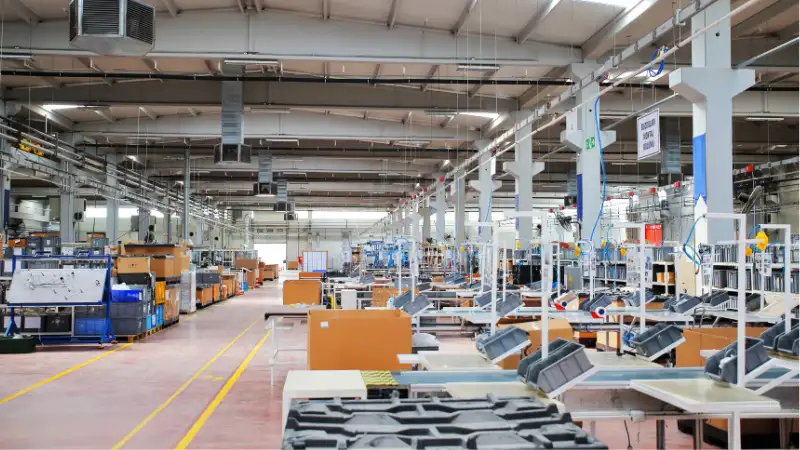
Bedsheet manufacturing in Pakistan concentrates around two clusters that together account for over 80 percent of national bedding export volume. Each cluster has a distinct production identity, raw material supply chain and freight workflow. Buyers selecting a manufacturer should match their product category to the cluster strengths before approaching specific mills, because the cluster geography sets unit cost, lead time and quality expectations more than any individual brand claim.
Faisalabad: The Cotton Heartland
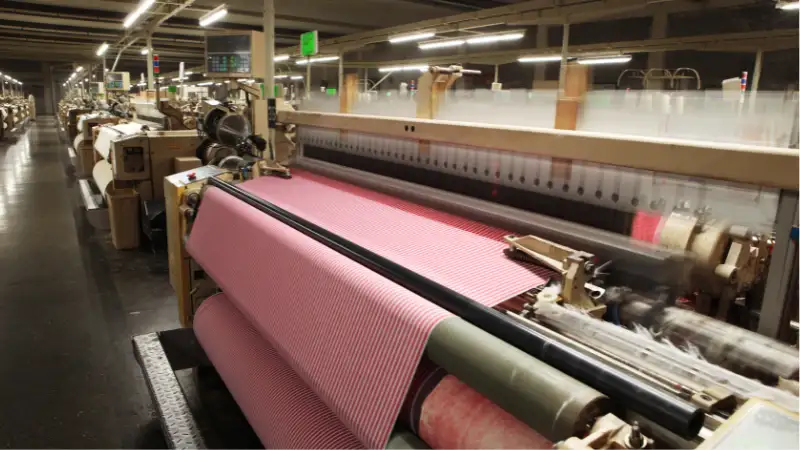
Faisalabad is Pakistan’s textile capital and the source of roughly 60 percent of national bedsheet output. The cluster pairs vertically integrated mills with independent spinning, weaving and finishing units inside a 30 kilometre radius. Faisalabad excels at cotton percale, cotton sateen, cotton blend and printed bedding ranges. The cluster’s strength is bulk volume at competitive price, with output reaching 80,000 sets per day across the larger mills during peak season.
Karachi: Specialty and Export Finishing
Karachi handles around 20 percent of national bedsheet volume with a focus on specialty fabrics, jacquard weaves, embroidered ranges and premium hotel bedding. Proximity to Karachi Port reduces inland freight cost and shortens documentation cycles for export shipments. The cluster suits buyers who order mid-range and premium product mixes and who require shorter sea freight transit because of close port access.
Other Centres: Lahore and Multan
Lahore hosts buying houses, design studios and finishing units that work as the procurement layer between international buyers and the Faisalabad mills. Multan contributes through cotton cultivation and ginning capacity that feeds the Faisalabad supply chain. Buyers rarely place direct orders in Multan but the area’s cotton quality directly shapes the bedsheet grade available from the upstream mills.
What Thread Count Should You Specify for Bulk Orders?
Thread count measures the total threads per square inch of fabric, combining warp and weft yarns. The figure drives both perceived quality and unit cost more than any other single specification on a bedsheet brief. International buyers face two problems with thread count. The first is that some manufacturers inflate the number by counting multi-ply yarns as separate strands. The second is that high thread count without corresponding yarn quality often produces sheets that feel heavy and dense rather than soft. The right specification depends on the end use and the buyer’s retail price point.
| Thread Count | Best Use Case | Hand Feel | Lifespan in Hospitality Use |
| 180 to 200 | Budget retail, mid-market hotels | Crisp, durable | 120 to 180 wash cycles |
| 250 to 300 | Mainstream retail, three-star hotels | Soft and breathable | 180 to 250 wash cycles |
| 400 | Premium retail, four-star hotels | Smooth, lustrous in sateen | 250 to 350 wash cycles |
| 600 | Luxury retail, five-star hotels | Silky, drape weight | 350 to 500 wash cycles |
| 800 to 1,000 | Ultra luxury, branded boutique | Dense, high lustre | 500 plus wash cycles (subject to fibre quality) |
Buyers should always pair thread count with yarn count and fibre source. A 400 thread count in 100 percent combed cotton 60s yarn outperforms an 800 thread count in carded blend yarn. Read our deeper guide on cotton yarn counts for the yarn specification logic that backs the bedsheet brief.
Which Fabric Weave Suits Hotel vs Retail Bedding?
Weave type determines the fabric surface, the way the sheet drapes, the way light reflects off the bed, and the way the sheet ages across hundreds of wash cycles. Bedsheet buyers should specify weave alongside thread count rather than treating it as a secondary spec. The three dominant weaves in 2026 bedding are percale, sateen and jacquard. Each has a clear use case and a price band that helps buyers map product mix to retail position or hospitality tier.
Percale
Percale uses a one-over-one-under plain weave that produces a matte, crisp finish. The fabric feels cool against the skin and resists pilling well across many wash cycles. Percale suits hotel groups that prioritise durability and the classic crisp hand feel that guests associate with quality. Most Pakistani mills produce percale in thread counts from 180 to 400.
Sateen
Sateen uses a four-over-one-under weave that exposes more thread surface and produces a smooth, lustrous, silk-like finish. The fabric drapes heavier than percale and feels warmer against the skin, which suits cooler climates and luxury retail positioning. Pakistani mills produce sateen across 300 to 1,000 thread counts. Higher thread counts deliver pronounced lustre and a dense drape that retail buyers find easy to merchandise.
Jacquard, Dobby and Engineered Weaves
Jacquard and dobby weaves use programmable looms to create textured patterns inside the fabric structure rather than being printed on the surface. The result is a design that survives wash cycles and develops character over time. Five-star hotels and premium retail brands use jacquard ranges to differentiate their bedding from mass market percale and sateen lines. MOQs run higher because of loom setup cost, typically starting at 3,000 sets per design.
What Are Current FOB Karachi Prices for Bedsheets in 2026?
FOB Karachi pricing for Pakistan bedsheets in 2026 reflects four input variables: cotton harvest cost, energy tariffs at the mill, currency exchange rates against the US dollar, and finishing complexity. The table below shows current reference prices verified across four mills in April 2026 for the most-asked bedsheet specifications. Sets include one fitted sheet, one flat sheet and two pillowcases unless noted.
| Specification | Cotton Grade | FOB Karachi (USD per set) | Typical MOQ (sets) |
| 200 TC percale, plain | Carded blend | 10.50 to 13.20 | 3,000 |
| 250 TC percale, plain dyed | Combed cotton | 12.40 to 14.80 | 3,000 |
| 300 TC sateen, plain dyed | Combed cotton | 14.20 to 17.40 | 2,500 |
| 400 TC sateen, plain dyed | Combed cotton 60s | 17.80 to 21.20 | 2,500 |
| 600 TC sateen, plain dyed | Long staple cotton | 21.40 to 28.50 | 2,000 |
| 180 TC percale, printed | Combed cotton | 11.80 to 14.60 | 5,000 |
| 300 TC jacquard, woven design | Combed cotton | 16.90 to 22.30 | 3,000 |
| GOTS certified organic 300 TC sateen | Organic combed cotton | 18.40 to 24.60 | 2,000 |
Pricing assumes standard king size 274 x 274 cm fitted, 274 x 274 cm flat and 50 x 75 cm pillowcase. Custom sizes for the European, US and Asian bed markets adjust pricing by 4 to 9 percent. Bulk orders above 10,000 sets typically negotiate 6 to 11 percent below the FOB midpoint. Our 2025 procurement record across 480 container loads shipped to 14 countries shows that the 300 to 400 thread count sateen band accounts for 58 percent of repeat-buyer demand, which makes it the most competitive price point in the current market.
How Big Are Standard MOQs From Pakistani Bedsheet Mills?
Minimum order quantities from Pakistani bedsheet mills depend on three factors: mill scale, product complexity and design count per order. Larger mills are more flexible on MOQ because they distribute setup cost across high daily output. Specialty mills set higher MOQs to justify dye batch costs and loom changeovers. Buyers placing a multi-design order with shared dye and weave specifications can often negotiate per-design MOQs below the mill’s published floor by aggregating volume across the brief.
| Product Category | Trial MOQ (sets) | Bulk Price Break (sets) | Notes |
| Plain dyed percale, single colour | 1,500 to 3,000 | 10,000 | Smallest MOQ category |
| Plain dyed sateen, single colour | 2,000 to 3,000 | 10,000 | Slightly higher minimum |
| Printed bedding (rotary or digital) | 3,000 to 5,000 | 15,000 | Setup cost drives MOQ higher |
| Jacquard / engineered weave | 3,000 to 5,000 per design | 10,000 | Loom setup cost |
| GOTS organic certified | 2,000 to 3,500 | 8,000 | Higher per unit cost |
| Custom hotel branded | 3,000 per design | 10,000 | Embroidery or jacquard logo |
Buyers who insist on MOQs below the mill floor have three options. The first is to use a buying house that aggregates multiple buyers into a single mill order. The second is to accept higher per-unit pricing in exchange for smaller volumes. The third is to design within the mill’s existing fabric programme rather than commissioning custom dye and weave runs. Read our analysis of the most expensive bedlinen purchasing mistakes hotels make for examples of how MOQ misjudgement creates surplus inventory.
Which Certifications Should the Manufacturer Hold?
Compliance certifications are the conversion lever for international bedsheet buyers in 2026. European buyers regulated by CSRD and ESPR cannot ship from undocumented suppliers. American buyers subject to UFLPA and CBP enforcement require cotton traceability. Hotel groups using independent procurement standards demand BSCI or SMETA social compliance audits. The certifications below are the minimum stack expected at international procurement scale.
OEKO-TEX Standard 100
OEKO-TEX Standard 100 confirms that the finished bedsheet contains no harmful chemicals above the published limits. The certificate covers azo dyes, heavy metals, formaldehyde and chlorinated phenols. Buyers should request the certificate number and verify it on the official OEKO-TEX register rather than accept a PDF from the supplier alone.
BCI Better Cotton Initiative
The Better Cotton Initiative tracks cotton fibre from farm to finished product. Most European retailers and hotel chains now require BCI sourced cotton across their bedding ranges. Pakistan is the second largest BCI producing country globally, and verified mills can supply the credit chain document trail through the Better Cotton Platform.
GOTS for Organic Cotton
The Global Organic Textile Standard covers organic fibre content, chemical inputs across the textile chain and social criteria. Buyers selling certified organic bedding to retailers like John Lewis, IKEA, Boll and Branch must source from GOTS certified mills with current scope certificates.
BSCI and Sedex SMETA
Social audits from BSCI and Sedex SMETA cover working conditions, wages, hours, health and safety, and environmental management. Buyers should ask for the current audit grade and the most recent corrective action plan. Grades A and B are bookable. Grades C and D require evidence of remediation before any order placement.
ZDHC and Chemical Management
The Zero Discharge of Hazardous Chemicals programme governs which chemicals enter the dyeing and finishing process. Verify supplier ZDHC commitment on the ZDHC official site and request the most recent wastewater treatment report.
How Long Does Production and Shipping Take?
Bedsheet production from Pakistan moves through five timed stages: order confirmation, yarn and dye procurement, weaving, finishing and inspection, and packing and shipping. Lead times measured across our 2024 to 2025 production runs averaged 47 days from PO signature to FOB Karachi for new buyers. Repeat buyers with cleared sample approvals and standing fabric programmes typically receive shipments inside 30 to 40 days. Sea freight transit adds the freight time below.
| Stage | Duration (new buyer) | Duration (repeat buyer) |
| Order confirmation and pre-production sample | 10 to 14 days | 3 to 5 days |
| Yarn and dye procurement | 7 to 10 days | 3 to 7 days |
| Weaving and finishing | 14 to 21 days | 10 to 14 days |
| Cut, sew, inspection (AQL 2.5) | 10 to 14 days | 7 to 10 days |
| Packing and shipping documentation | 5 to 7 days | 3 to 5 days |
| Production total (FOB Karachi) | 45 to 60 days | 30 to 40 days |
| Sea freight Karachi to Rotterdam or Hamburg | 28 to 35 days | |
| Sea freight Karachi to New York | 32 to 40 days | |
| Sea freight Karachi to Los Angeles | 35 to 42 days | |
| Air freight Karachi to most major hubs | 5 to 7 days (adds approx 4 USD per kg) | |
How Should You Vet a Pakistani Bedsheet Manufacturer?
Vetting a Pakistani bedsheet manufacturer protects orders worth tens to hundreds of thousands of dollars and prevents the most common buyer disputes. The six-step process below filters credible mills from middlemen who quote without production control and from undercapitalised suppliers who fail at scale. The same six steps apply whether buyers approach mills directly or work through a buying house like our team. Apply the checklist before any sample order and not after the bulk PO is signed.
Step 1: Verify Trade Body Membership
Confirm membership of the All Pakistan Textile Mills Association (APTMA) or the Pakistan Bedwear Exporters Association (PBEA). Membership is not a quality guarantee but membership filters out hundreds of marginal operators that lack production scale.
Step 2: Cross-check Tax and Trade Registration
Every legitimate exporter holds a National Tax Number and a Sales Tax Registration Number. Both can be verified on the Federal Board of Revenue portal. Mills that cannot produce both numbers should be disqualified.
Step 3: Request Current Compliance Certificates
Request OEKO-TEX Standard 100, BCI scope certificate, BSCI or SMETA audit grade and ZDHC commitment letter. Verify each on the issuing body’s online register rather than trusting supplier PDFs.
Step 4: Audit Mill Capacity
Request a recent monthly production calendar and a list of three current clients in your region. Mill capacity sets achievable lead times. Mills running at 90 percent of capacity rarely deliver on schedule.
Step 5: Order a Paid Sample
A paid pre-production sample of 50 to 200 sets shows real production quality. Free samples almost always come from the best fabric lot. Pay for the sample, then test thread count by light box, GSM by digital scale, shrinkage by 10 wash test cycles and colour fastness against AATCC standards.
Step 6: Lock Pre-Shipment Inspection
Every PO should reserve buyer rights to a pre-shipment inspection by a third party agent such as Intertek or Bureau Veritas. Inspection cost typically runs 300 to 450 USD per inspection day. The report protects both buyer and seller in any subsequent quality dispute.
What Mistakes Should Hotel and Retail Buyers Avoid?
Most international buyers placing first or second bedsheet orders with Pakistani manufacturers make at least one of five mistakes. Each mistake is avoidable with a 15 minute procurement audit. The pattern repeats across the briefs and dispute logs we process every quarter, so the list below reflects real-world cost rather than theoretical risk.
- Trusting WhatsApp quotes. Always confirm fabric specs in a signed Pro Forma Invoice with line item detail on thread count, weave, GSM, dimensions and AQL grade.
- Specifying thread count without yarn count. A 600 TC sateen in carded blend yarn underperforms a 300 TC sateen in combed cotton 60s.
- Skipping the paid sample. Free samples come from the best lot. Paid samples reflect production reality. The 200 USD sample fee protects a 60,000 USD bulk order.
- Ignoring shrinkage tolerance. Pakistan cotton bedsheets typically shrink 3 to 5 percent on the first wash. Specify post-wash dimensions or accept the supplier’s pre-shrinkage process.
- Skipping pre-shipment inspection. A 350 USD inspection fee on a 60,000 USD order is the cheapest insurance any buyer ever pays.
The single most expensive mistake on the list is the thread count and yarn count mismatch. Buyers who specify only thread count without backing it with yarn quality, ply and weave receive sheets that meet the spec sheet on paper but fail the perceived quality test on the hotel guest bed or retail shelf. For a deeper buyer protection framework read our piece on textile risk management for international buyers.
Why Buyers Work with Vigour Impex as Their Sourcing House
Vigour Impex has operated as a Pakistan sourcing house for 30 years across yarn, fabric, home textiles and apparel categories. Our 94 staff team across offices in Pakistan, Europe and the UAE handles roughly 220 million USD in annual procurement volume on behalf of brand, retail and hospitality clients. Bedsheet buyers receive vetted mill shortlists, AQL audited shipments, freight management, and a documentary trail that satisfies CSRD, UFLPA and ESPR scrutiny in destination markets.
Buyers exploring Pakistan as a bedding source can review our published thinking on USA retail brand home textile sourcing or read how UK hospitality businesses choose bed sheets before opening a brief with our team. To begin a procurement conversation use the form on our contact page and the sourcing team will respond within one working day.
Frequently Asked Questions
What is the minimum order quantity for bedsheets from Pakistan?
Trial MOQs for bedsheets from Pakistan range between 1,500 and 5,000 sets per design depending on category. Plain dyed percale and sateen start at the lower end. Printed bedding and jacquard designs sit at the upper end. Buyers can sometimes negotiate below the published floor through a buying house that aggregates volume across multiple briefs.
What is the best thread count for hotel bedsheets?
The best thread count for four star hotel bedsheets is 300 to 400 in 100 percent combed cotton sateen or percale. Five star and luxury hotels typically specify 600 thread count in long staple combed cotton sateen. Three star hotels do well with 200 to 250 thread count percale that survives high wash cycle rotations.
How much does it cost to source bedsheets from Pakistan in 2026?
FOB Karachi bedsheet pricing in 2026 ranges from 10.50 USD per percale set at 200 thread count up to 28.50 USD per sateen set at 600 thread count. Printed and jacquard designs sit between 12 USD and 22 USD per set. GOTS certified organic ranges add 12 to 18 percent to base pricing.
How long does production and shipping take?
Production runs 45 to 60 days for new buyers and 30 to 40 days for repeat buyers. Sea freight adds 28 to 42 days depending on the destination port. Full door to door delivery typically takes 75 to 100 days for new buyers and 60 to 80 days for repeat buyers. Air freight reduces transit to 5 to 7 days at higher cost.
Are Pakistani bedsheets compliant with EU and US import rules?
Pakistani bedsheets are compliant when sourced from mills holding OEKO-TEX Standard 100, BCI cotton traceability, BSCI or SMETA social audits and ZDHC chemical commitments. Mills supplying the United States must also document cotton origin to meet UFLPA enforcement requirements at US Customs and Border Protection.
Can I get GOTS certified organic bedsheets from Pakistan?
Yes. Several Pakistani mills hold current GOTS scope certificates and supply certified organic cotton bedding to European and US retailers. Verify the scope certificate number on the GOTS public database before any order, and request the credit chain document that links the finished product to the certified organic fibre input.
What is the difference between percale and sateen bedsheets?
Percale uses a plain one over one weave that produces a matte crisp fabric. Sateen uses a four over one weave that produces a smooth lustrous fabric with more drape. Percale suits hotel ranges and durability focused buyers. Sateen suits luxury retail and buyers prioritising silk like feel.
Final Thoughts
Pakistan remains one of the strongest origins for bedsheet sourcing in 2026 across the budget retail, mid market, luxury and hotel categories. The country pairs deep cotton supply with vertically integrated mills, mature export logistics and a growing base of certified suppliers. The job of the international buyer is to filter signal from noise, demand documentation, never skip the paid sample, and lock pre-shipment inspection rights into every PO. Buyers who apply this discipline build supply chains that last for years.
Ready to start a bedsheet sourcing conversation? Explore our full textile sourcing services and request a sourcing brief through the Vigour Impex team for vetted mill shortlists, AQL audited shipments and documented compliance across every order.